
A pocket can hold useful stopgaps, but it cannot turn a serious wound into a minor one.
Blood on a sleeve, a slippery hand, and no first-aid kit can make even a small cut look catastrophic. The useful first question is not which pocket item works; it is whether the bleeding appears controllable with temporary pressure while emergency help is being arranged.
A clean cloth, folded tissue, gauze-like fabric, or even a sanitary pad can sometimes serve as an absorbent barrier over a minor external wound. Direct, steady pressure is generally more relevant than repeatedly lifting the material to inspect the cut; each check can disturb an early clot. But improvised items have limits: they are not sterile dressings, and loose fibers, dirt, or adhesive residue can complicate later care.
Bleeding that spurts or pulses, soaks material rapidly, comes with faintness or confusion, follows a deep wound, or will not slow under firm pressure is an emergency. Temporary measures may buy minutes, not replace urgent assessment.
- Pulsing or spurting blood can indicate arterial bleeding.
- A pale, clammy appearance, collapse, or altered alertness may signal dangerous blood loss.
- Objects embedded in a wound are generally left in place for professionals to manage.
When pressure may be enough—and when it is not
A knife fragment, glass, metal, or other object lodged in a wound can be partly limiting blood loss. Removing it may release severe bleeding and cause additional tissue damage.
Leave the object in place. Pocket cloth can be built up on both sides to support it, while pressure is directed into the surrounding tissue—not onto the object itself. Keep the object from shifting as much as possible and seek emergency help promptly.
Build a pressure pad and leave it in place
A useful pocket dressing is not defined by a particular brand.
It must be clean enough to place on the wound and absorbent to hold blood.
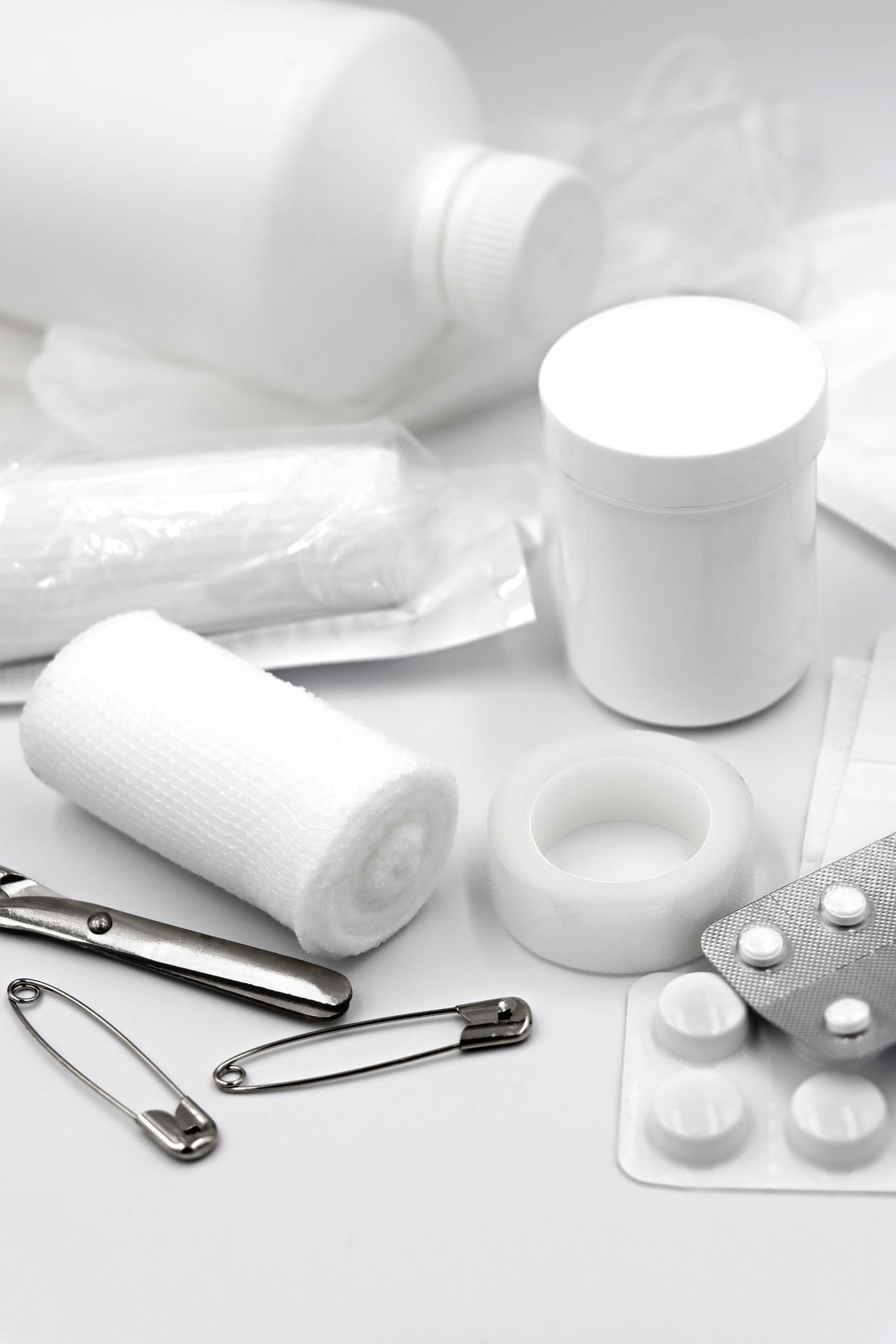
A gauze pad fits this job, and it can aid stop bleeding with pocket items.
In first aid, place the material directly over the bleeding area and apply firm pressure.
Maintain continuous pressure with a palm or fingers.
The aim is steady compression, not a quick squeeze.
A thicker folded pad can make pressure more tolerable and easier to hold.
This helps prevent fingertips slipping.
Let the first layer do its job
Blood on the outer surface does not automatically mean the layer has failed.
Repeatedly lifting it to inspect the wound can disturb early clotting and restart flow.
Instead, keep the original material where it is.
Additionally, add fresh absorbent layers on top if blood soaks through, while maintaining pressure.
Avoid loose, fluffy material that sheds into the wound.
Additionally, avoid using a dirty item merely because it is more absorbent.
Consequently, urgent assessment should be arranged if the injury’s severity or contamination is uncertain.
When options exist, favor:
Sterile gauze or a clean cloth for the contact layer Folded tissue or paper towel as extra bulk above it A hand placed directly over the stack for sustained pressureThe key is continuity: add layers; do not peel away the first one to check.
Secure the pad without making a tourniquet
A pressure pad only works while it stays directly over the wound. A scarf, bandana, necktie, elastic clothing strip, belt, or length of fabric can hold it in position when hands must be freed. Wrap around the limb or body part, cross over the pad, and fasten snugly so the pad cannot slide — keeping a pad in place this way is an essential part of pocket-level bleeding control.
The aim is firm local pressure, not a tight band encircling the limb. Don’t over-tighten the wrap. Secure the pad so it stays in place and you can monitor circulation. This arrangement allows you to check for signs of compromised blood flow and to replace the pad if it shifts.
Keep the distinction clear
A securing wrap remains a pressure dressing when circulation beyond it is still present.
Additionally, it is used for life-threatening limb bleeding when direct pressure cannot stop it.
A belt or improvised fabric strip is generally poor tourniquet equipment.
Moreover, it may concentrate force, slip, and cause pain without reliably stopping severe bleeding.
After securing the pad, check fingers or toes beyond the wrap. Additionally, loosen and reapply it less tightly if any of these appear:
- increasing numbness, tingling, or weakness;
- pale, blue, gray, or unusually cold skin;
- marked swelling below the wrap;
- worsening pain or an inability to move fingers or toes.
If loosening restores circulation, bleeding resumes.
In that case, steady hand pressure over the pad can be maintained while emergency assistance is arranged.
Use tools to support—not replace—pressure
A pocket kit can make direct pressure more practical, but stop bleeding with pocket items does not substitute for it.
Additionally, the working hand or a firmly held pad remains the source of bleeding control.
Tools merely reduce contamination and keep the pad from shifting; they support bleeding control rather than replace it.
First aid field setup
Make the field easier to manage so you can stop bleeding with pocket items.
- Nitrile gloves create a barrier from blood and should be removed carefully afterward. If no gloves are available, a clean plastic bag can serve as a temporary hand barrier.
- A phone flashlight can reveal where blood is actually coming from, especially in folds of skin or hair. It can also show whether a dressing is merely stained or rapidly saturating.
- Clean scissors can cut tape, gauze, or clothing away from the area. They are not for probing a wound or removing embedded material.
- Tape, a cohesive wrap, or an elastic sleeve can hold a pressure pad in position. The wrap needs periodic observation for coolness, color change, numbness, or swelling beyond it.
Adhesive bandages are mainly covers for small, superficial cuts after bleeding has slowed.
Their small absorbent centers and weak adhesive make them poor pressure dressings for an actively bleeding wound.
Alcohol wipes, hand sanitizer, and hydrogen peroxide can sting and irritate exposed tissue.
Moreover, they do not stop bleeding and should not be poured into an open wound.
Avoid shortcuts that worsen the wound
A wound is not improved by adding substances that are hard to remove.
Coffee grounds, flour, powdered spices, ash, toothpaste, and similar “clotting” folk remedies can introduce debris and obscure the bleeding source.
Digging into a wound with a key, pen, tissue, or loose fabric can disturb an early clot.
Additionally, it can push contamination deeper.
A clean absorbent layer and steady hand pressure are, however, more useful than repeatedly lifting the pad to inspect it. Also, if blood reaches outside, additional material can go over the existing pad; removing the first layer can restart bleeding.
Avoid turning a shoelace, charging cable, belt, or narrow strip of cloth into a limb tourniquet. Additionally, these items concentrate force in a small area. They may block circulation without reliably stopping deeper arterial bleeding. A purpose-built tourniquet is a different device, used in a time-critical emergency—not a tighter version of a pocket strap.
Do not pour alcohol, hydrogen peroxide, or adhesive into an actively bleeding wound. Additionally, they do not replace pressure and may damage tissue or complicate later cleaning.
Pulling out glass, metal, or other embedded material can release pressure that is limiting blood loss. Padding around the object and seeking emergency help is generally safer than probing or removing it.
Protect the dressing and reassess the wound
Once bleeding is controlled, the pressure pad is usually more valuable left undisturbed. Additionally, it should not be repeatedly inspected. A clean outer layer, cloth, or wrap can shield it from dirt and friction. Keep the injured area relatively still; motion can disrupt an early clot. Cold, pale skin and shivering elsewhere can signal heat loss or deterioration.
If material is added over the pad, it can be secured broadly rather than with a narrow cord. Periodic checks beyond the wrap matter: fingers or toes that become increasingly numb, blue, cold, swollen, or difficult to move suggest that the securing layer may be too tight. New bleeding through the outer layers, increasing pain, faintness, confusion, or unusual sleepiness also changes the urgency.
However, cleaning comes after control.
Rinsing minor surface dirt with clean running water comes after bleeding stops. It is not a substitute for pressure, and vigorous scrubbing or lifting a pad can restart bleeding. Water safety around wound care matters too, since questionable water can add contamination rather than remove it.
Additionally, assessment is important for wounds that are deep, gaping, or contaminated.
They may be caused by bites or punctures.
Moreover, they can involve joints, hands, genitals, face, or eyes, or contain retained material.
Additionally, a wound that reopens merits timely professional evaluation.
It can develop spreading redness, warmth, drainage, fever, or worsening pain.
Tetanus immunization status can also be relevant after dirty or penetrating injuries.
Stopping Bleeding: Common Questions
What pocket items work best to stop bleeding?
A clean cloth handkerchief, folded tissue, paper towel, or unused cotton garment can serve as a temporary absorbent layer, with gauze being the purpose-made option. Direct, steady pressure held over the material matters more than the specific fabric used.
Should I lift the dressing to check if the bleeding has stopped?
No. Repeatedly lifting a pressure pad to inspect the wound can disturb early clotting and restart bleeding. If blood soaks through, add fresh absorbent layers on top rather than removing the original one.
Is it safe to use a belt or shoelace as a tourniquet?
Improvised narrow items like a shoelace, charging cable, or belt are generally poor tourniquet equipment — they concentrate force in a small area, can slip, and may not reliably stop severe arterial bleeding. A purpose-built tourniquet is a different device meant for a time-critical emergency.
What should I do if an object is embedded in the wound?
Leave it in place. Pulling out glass, metal, or other embedded material can release pressure that is limiting blood loss. Build padding around the object on both sides and seek emergency help promptly instead of removing it.
Pocket improvisation is a bridge, not a plan
- Commercial wound supplies are more predictable than improvised fabrics, tape, and cord.
- Hands-on bleeding-control training helps equipment become usable under stress.
A slim refill pouch can make pocket improvisation less necessary: nitrile gloves, sterile gauze, a purpose-made pressure dressing, trauma shears, and a marker take little space and have clearer roles than loose everyday objects. Supplies need occasional checks for damaged packaging, contamination, and expiry dates.
Equipment does not create judgment or technique. A recognized hands-on bleeding-control course can clarify sustained pressure, wound packing, tourniquet use, and when emergency services are needed. Pocket measures can buy time; urgent assessment and professional care remain central after significant bleeding.




4 Comments
The reminder not to use alcohol in an actively bleeding wound is appreciated. My dad still reaches for peroxide like it’s the universal cure 😅 Pressure first, cleaning later makes much more sense.
Step about securing the pad didn’t work great for me during a kitchen mishap. I tried using a phone charging cable around a finger (bad idea, I know) and it got tingly fast. Took it off, held a folded paper towel on it manually, and went to a clinic because it kept opening when I moved.
Would a stretchy hair tie be any safer, or is that also a no?
I’d avoid the hair tie too. They can tighten a lot more than you think, especially on a finger. Manual pressure or a broad strip of cloth wrapped gently is much less sketchy until you can get help.
Useful overview, but I wish more people would take the “embedded object stays put” line seriously. A neighbor once tried to pull a piece of glass from someone’s leg because they thought it would be easier to bandage. No thank you. Stabilize around it and get professionals involved.