

A pocket system earns its place when the note cannot wait.
The grocery list survives the wash, but the pen skips during a phone number scribbled in the rain—that is the familiar EDC failure. Reliability is not a pen specification alone; it is the working fit of pen, ink, paper, closure, and the lint, moisture, pressure, and temperature of daily carry.
A capped pressurized ballpoint avoids accidental deployment and handles awkward writing angles, while a notebook needs a cover or elastic that stays shut against pocket abrasion. Smooth coated weatherproof sheets favor pressurized ballpoint ink; ordinary paper may be more pleasant for quick writing but is vulnerable to sweat and rain. Test the full pairing: a pen that writes on wet paper is of little use if its cap loosens, and a tough notebook is wasted if the chosen ink beads or smears.
- Pocket notebooks around 3 × 5 inches keep a practical page area without becoming cargo-pocket bulk.
- Fine 0.8 mm pressurized ink can make denser notes than a broad, wet line on compact pages.
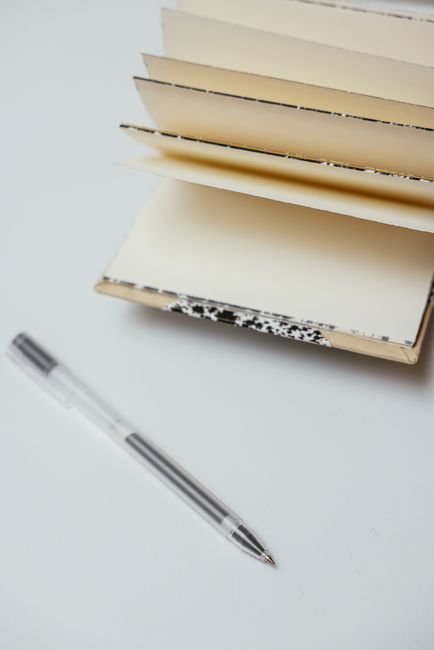


Buy for the notes that actually get made
- Capture method and writing volume
A one-line reminder, a field sketch, and a page of meeting notes place very different demands on a pen and notebook. Frequent longhand favors a comfortable barrel and paper that accepts the chosen ink without excessive drag or show-through.
Look forA format and grip that suit the usual note length and writing pace.AvoidPremium paper or oversized capacity bought for occasional, not routine, writing. - Carry location and exposure
A notebook loose in a front pocket faces bending, lint, and sweat; one in a bag mainly needs a closure that survives compression. Rain, dust, grease, freezing temperatures, and overhead writing justify specialized materials only when they are recurring conditions.
Look forDurability matched to the pocket, bag, desk, or field environment.AvoidTactical bulk, waterproof stock, or all-metal construction without a repeated exposure problem.
Heavier pens can be reassuring, but they may be left behind if they pull at a shirt pocket or crowd a small organizer. Likewise, coated or waterproof paper can resist abuse while feeling less pleasant for everyday writing. The reliable kit is usually the one that remains easy to carry and enjoyable to use.
Choose a body that carries well
A pocket pen earns its place in the pocket pen and notebook system through retention, reach, and repeatable deployment.
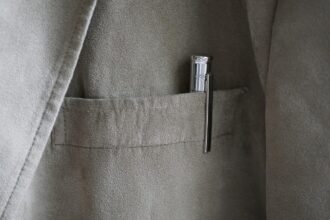
A clip should seat deeply to keep the pen in a pocket while remaining graspable.
Stiff clips retain well but can abrade thin fabric; broad, radius-ed clips are gentler and easier to hook one-handed.
Closed length is only half the measurement. A very short pen can disappear in a pocket but become cramped when deployed. Look for a body or posted cap that provides a stable writing length, with a grip diameter that does not force a tight pinch during a full page of notes.
Metal barrels tolerate abrasion and hard use, while adding noticeable pocket weight and sometimes becoming slippery in cold or wet conditions. Compact metal pens also concentrate that weight at the clip. Polymer bodies are lighter and warmer in hand, but deserve particular scrutiny at threaded joints, hinges, and clip mounts.
Capped pens offer a reliable path to a closed, ready-to-carry state. A firm friction fit, positive threads, or a secure snap reduces accidental opening. Sealed or tightly closing designs also keep lint and moisture away from the tip. For click pens, check that the button cannot deploy inadvertently against keys, a notebook edge, or a pocket seam.
Clip, draw, deploy, write, and re-pocket the pen several times. Awkwardness in any step tends to matter more than a small difference in overall length.
A compact pressurized option
The Bullet Pen is short when capped and extends to a more usable length when posted. Its pressurized black, medium-point refill is designed to write at varied angles and in wet or cold conditions; the capped format also avoids an exposed clicker in the pocket.


Match ink to the pocket environment
Oil-based ballpoint ink generally offers the most dependable startup after pocket carry, long storage, or cold weather. It dries quickly, resists water well, and is widely stocked, though its feel is comparatively firm. Hybrid ballpoint refills add smoother, darker lines while retaining much of that practicality.
Gel ink feels low-effort and vivid, but can smear on coated paper and may be less water-resistant; drying varies sharply by formulation. Rollerball ink is often the smoothest and wettest, but needs a cap or excellent seal, dries more slowly, and has variable water resistance. For hard-use carry, a quick method for identifying the existing refill prevents a costly near-match.
A cartridge that slides into the barrel may still fail. Check these physical interfaces against the old refill:
- Tip length and diameter: they set writing position and prevent tip wobble.
- Shoulder location: it must meet the nose cone at the correct depth.
- Rear plug and overall length: they determine spring preload and clicker travel.
- Actuator interface: bolt-action and capped pens can require a specific rear shape.
“Parker-style” and “G2” labels are useful starting points, not guarantees. Compare the removed refill side by side before ordering; a correct-looking body can still leave the tip recessed or permanently deployed.
After a refill change, test extension, retraction, startup after a minute uncapped, and writing on the notebook paper actually carried.
Waterproof ink and wet-paper writing are different jobs
For desk-to-pocket errands and dry notebooks, a conventional ballpoint or hybrid refill is usually sufficient.
Pressurization adds value when writing upside down, in cold, or after real water exposure—not as a universal reliability upgrade.
A dried mark may resist a splash, while a wet sheet can still prevent ink from adhering or make fibers tear.
Paper surface, saturation, and ink chemistry matter as much as the cartridge.
Pressurized ballpoint ink can feel less smooth and leave a broader, more deliberate line than a favorite gel pen.
For frequent indoor notes, writing feel and refill availability may outweigh extreme-condition performance.
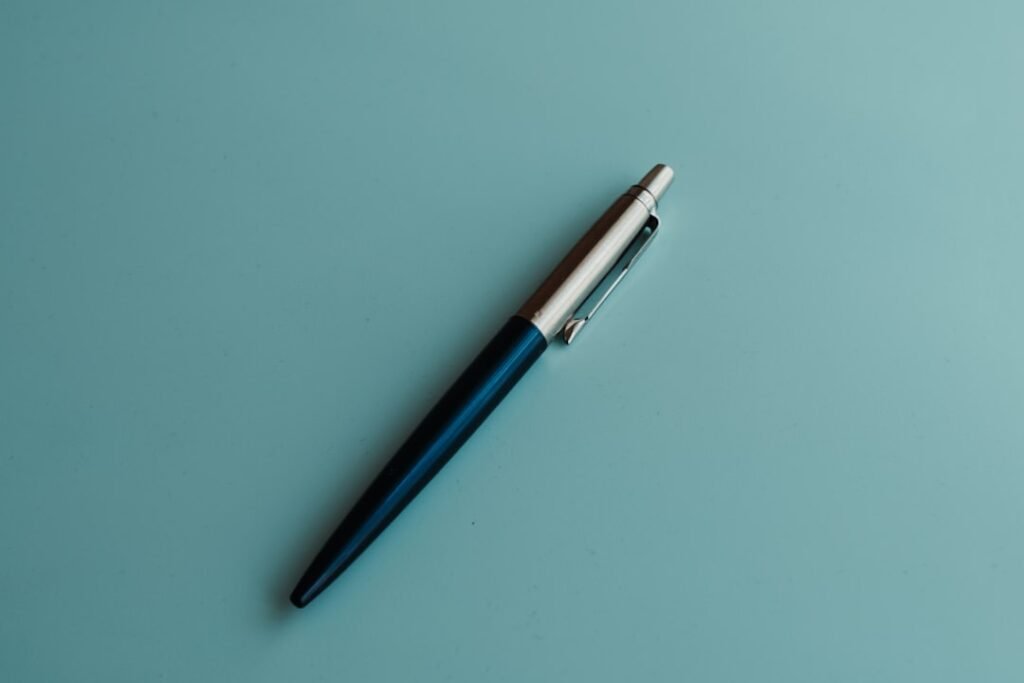
A notebook is more than its page count
A ‘pocket’ notebook is part of a pocket pen and notebook system. It can range from a slim 3 × 5 in pad to a taller 3.5 × 5.5 in format.
Page count is not usable capacity. Subtract pages made awkward by a tight binding, a curled cover, or a notebook that refuses to lie flat. For standing notes, a top spiral or a stitched book with a forgiving spine allows a hand to support the notebook. Side spirals can press into the palm, though they permit clean tear-out sheets.
Match structure to the carry environment
- Soft covers minimize bulk and conform to a pocket, but transmit bent corners and pressure from keys.
- Stiff card or plastic covers protect the first sheet and provide a steadier writing surface, at the cost of thickness.
- Sewn bindings are quieter and less snag-prone than wire; a well-made one can open nearly flat.
- Spiral bindings excel for folded-back, one-handed writing, but their coils can catch fabric and deform.
A useful check is to hold the closed notebook where it will ride, then open it with one hand. If the cover buckles or the binding keeps the active page arched, its nominal compactness will not translate to comfortable field use.
For wet or dirty note-taking
Each pad has 50 sheets / 100 lined pages with waterproof paper and a PVC cover. Its compact 3 × 5 in format favors short entries; the spiral binding supports folded-back use. A ruler is printed on the back cover.
Treat paper and ink as one system
Paper is not a neutral backdrop. Its absorbency, surface sizing, opacity, and texture change the same refill from crisp to troublesome.
Highly absorbent stock pulls ink into its fibers. That usually shortens dry time, but liquid gel and rollerball ink can feather along fibers and bleed onto the reverse side. A smoother, more heavily sized or coated sheet keeps lines sharper and reduces feathering; ink remains on the surface longer, however, so a left-handed writer may drag through a still-wet line.
Opacity controls how usable the back of each page remains. A thin but well-coated page may resist bleed yet still show dark writing through as ghosting. Texture adds tooth for pencils and ballpoints, while very smooth paper favors fine gel and rollerball tips but can expose slow drying.
Waterproof paper is a special case, not a universal upgrade. Non-porous sheets can make water-based inks bead, skip, or smear long after writing; some marks may rub away under friction. Before committing to a notebook, test the intended pen with quick notes, a swipe after several seconds, and writing on both sides.


Keep the system intact and findable
Pocket carry applies pressure in ways a desk never does: a seated thigh bends a cover, coin-pocket grit scuffs edges, and damp fabric can wick into exposed pages. A thin rigid-back notebook or a flexible notebook paired with a slim cover board adds meaningful support without turning the kit into a pouch.
You can reduce daily cover bends without adding bulk. Additionally, keep the notebook against the flattest surface of the pocket, and reserve outer pockets for hard objects such as keys. Rounded corners snag less, while an elastic closure or low-profile band helps prevent pages from fanning open.
Lost notes are usually a retrieval problem, not a writing problem. Number pages as they are used, then keep the inside cover for a one-line index: page number — subject — action. Mark the current page with a short ribbon, tab, or folded corner; a protruding tab is fast but gathers lint. Transcribe or photograph action-critical pages before removing them.
Choose the compromise that fits the note
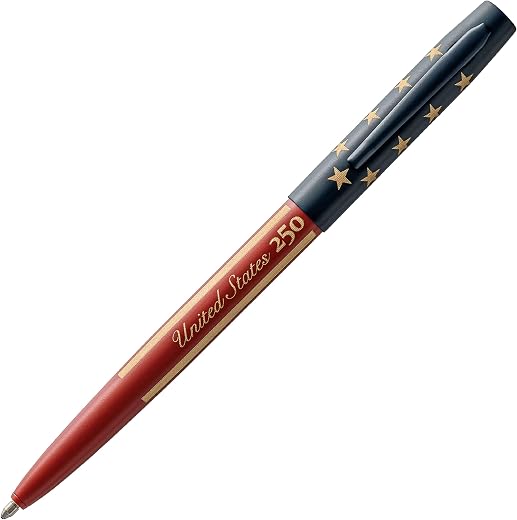

Run a one-week pocket trial
-
Carry it normally
Use the intended pocket, clothing, and seat time; note snagging, pressure points, and accidental opening.
-
Make rushed notes
Capture standing notes, lists, and phone-call details to reveal whether retrieval and re-pocketing stay fluid.
-
Check the writing pair
Test each page position and refill. If a pen skips despite having ink, isolate paper, tip, and cartridge before blaming the pen.
-
Restock once
Replace the refill and notebook from the supplies kept at home; friction here predicts whether the system remains dependable.
Pocket Pens and Notebooks: Common Questions
Does every EDC pen need pressurized ink?
No. For desk-to-pocket errands and dry notebooks, a conventional ballpoint or hybrid refill is usually sufficient. Pressurization adds value when writing upside down, in cold, or after real water exposure—not as a universal reliability upgrade.
Does water-resistant ink mean a pen will write on wet paper?
Not necessarily. A dried mark may resist a splash, while a wet sheet can still prevent ink from adhering or make fibers tear. Paper surface, saturation, and ink chemistry matter as much as the cartridge, so it’s worth testing the pen and notebook together.
What should be checked before swapping a pen refill?
Compare the removed refill’s tip length and diameter, shoulder location, rear plug and overall length, and actuator interface against the replacement. A correct-looking body can still leave the tip recessed or permanently deployed, so test extension, retraction, and writing after the swap.
Is waterproof notebook paper always the better choice?
No—it’s a special case, not a universal upgrade. Non-porous sheets can make water-based inks bead, skip, or smear long after writing, and some marks may rub away under friction. It’s worth testing the intended pen on the actual paper before committing.
How can pocket notes avoid getting lost or damaged?
Number pages as they’re used and keep a one-line index inside the cover: page number, subject, action. A rounded-corner notebook with an elastic closure snags less and stays shut, and photographing or transcribing action-critical pages before removing them prevents losing them.
A keeper setup disappears in the pocket but appears quickly when a note matters. Its parts work together predictably, survive ordinary carry, and can be replenished without hunting for specialty replacements.
Fisher Space Pen vs. Rite in the Rain: It's a Draw (An EDC Pen Review)
Fisher Space Pen Cap-O-Matic & Rite In the Rain Notebook (Actual Underwater Test)
Fisher Space Pen Matte Black Pressurized Ballpoint Bullet Pen | Compact Size, Writes Upside Down and in Extreme Temperatures, Black Ink, Medium Point, Pocket...
Features
| Writing Instrument Form | Ballpoint Pen |
| Ink Color | Black |
| Drill Point | Medium |
| Additional Features | Waterproof |
| Line Size | Medium |
| Hand Orientation | Ambidextrous |
| Grip Type | Smooth |
| Water Resistance Level | Waterproof |
| Hardness | F |
| Writing Technique | ballpoint |
| Closure Type | Snap |
| Color | Matte Black |
| Style | Original Packaging |
| Body Shape | Round |
| Material Type | Alloy Steel, Brass |
| Ink Base | Water |
| Brand Name | Fisher |
| Age Range Description | Adult |
| Model Name | 400BCL |
| Recommended Uses For Product | Writing |
| Included Components | Ink Cartridge |
| Model Number | S400BCL |
| UPC | 747609844467 |
| Global Trade Identification Number | 00747609844467 |
| Manufacturer | Space Pens |
| Warranty Description | Each Fisher Space Pen is precision assembled, hand tested, and carries a lifetime guarantee against all manufacturing defect |
| ASIN | B00K54CJZK |
| Unit Count | 1 Count |
| Item Dimensions | 3.75 x 0.3 x 0.3 inches |
| Item Diameter | 0.38 inches |
- A Pen Designed to Last: The Matte Black Bullet Pen is the most popular of the collection and compact enough to carry in your wallet, pocket, purse, car glove box, organizer, or toolbox
- Write at any Angle: Fisher Space Pens are versatile and practical ballpoint pens that can smoothly write at any angle, even upside down with reliable performance on almost any surface
- Write in Extreme Temperatures: All Fisher Space Pens write in extreme temperatures ranging from -30°F to 250°F (-34° to +121°C), underwater, in space or any other harsh environment
- Quality and Reliability: Trusted by Astronauts, Explorers, and Professionals, Fisher Space Pens are often used in industries including Engineering, Aviation, Science, and Outdoor Adventures
- Explore The Fisher Space Pen Collection: Try our full collection of versatile and functional pens designed to write in Zero Gravity, Underwater, Through Oil and Grease and in Extreme Temperatures
Rite in the Rain All-Weather EDC Pen, Flat Dark Earth, Black, OD Green Pokka 3-Pack, Black 0.8mm Ink, Fine Point (No. TAC92)
Features
| Writing Instrument Form | Ballpoint Pen |
| Ink Color | Black |
| Drill Point | Fine |
| Additional Features | Compact |
| Line Size | 0.8mm |
| Hand Orientation | Ambidextrous |
| Grip Type | Smooth |
| Water Resistance Level | Waterproof |
| Closure Type | Retractable |
| Color | Tactical |
| Style | Pocket Pen |
| Body Shape | Round |
| Unit Count | 1 Count |
| Item Dimensions | 3.25 x 0.44 x 0.44 inches |
| Item Weight | 9.07 g |
| Brand Name | Rite in the Rain |
| Age Range Description | Adult |
| Model Name | Pokka Pen |
| Recommended Uses For Product | writing in wet conditions, writing in extreme temperatures, use with Rite in the Rain weatherproof notebooks |
| Included Components | 3 x Rite in the Rain All-Weather EDC Pen |
| Model Number | TAC92 |
| UPC | 632281105176 |
| Manufacturer | Rite in the Rain |
| Warranty Description | All merchandise is guaranteed against manufacturing defects. If you have a defective product, please contact customer service for return instructions. |
| ASIN | B0D2PGTQTR |
| Material Type | Plastic |
- WRITES THROUGH: The permanent ink writes through water, grease, and mud without clumping or smearing. This compact, all weather pokka pen survives splashes, stains, and smudges.
- PRESSURIZED CARTRIDGE: All-Weather cartridge is pressurized, writes in temperatures from -30F to 250F, under water (up to 35 ft), and any angle.
- POKKA PEN: The durable cap and barrel will survive toolboxes, backpacks, or anywhere you might stash this pen. The reversible cap extends the pen to a standard length for comfortable writing.
- PROPRIETARY INK: The ink and delivery system used exclusively in Rite in the Rain Refills will write without skipping in extremely wet conditions far better than other comparable all-weather pens.
- RITE IN THE RAIN NOTEBOOKS: The most ideal pen for Rite in the Rain weatherproof notebooks.
3 Pack Waterproof Notebook, 3 x 5 Pocket Notepad, All Weather Small Pocket | Notebook Paper, Mini Spiral Notepad Police Notepad 100 Lined Pages for Outdoor...
Features
| Brand Name | COIDEA |
| Unit Count | 3 Count |
| Manufacturer | COIDEA |
| ASIN | B0CM36GYY7 |
| Paper Size | 3 x 5 inches |
| Number of Items | 3 |
| Color | Black |
| Theme | Book |
| Style | Waterproof |
| Ruling Type | Ruled |
| Special Feature | Waterproof |
| Specific Uses For Product | Outdoor Activities, Travel, Camping, Hiking, Military, Police, Novelist |
| Binding | Spiral-bound |
- 100% WATERPROOF NOTEBOOK: 3 Pack waterproof notepad, 100 pages / 50 sheets per waterproof notepad to meet your use. Our all weather notebook can withstand water, mud, and even laundry accidents and won’t turn to mush
- POCKET SIZE: Waterproof pocket notepad measures 3×5 inches. The small pocket size and sturdy design can be used as a police notepad, golf notebook, diary, memo, field book, or notepad. With a ruler printed on the pocket notebook back
- PREMIUM PAPER: Small pocket notepad is made up of robust waterproof paper, which is friendly to the environment. This sturdy waterproof notebook is more resistant to pulling, tearing, and folding than ordinary paper
- NOTEBOOK: What to Write with? Adopting a waterproof PVC cover and waterproof paper. On rainy days, use a pencil or all-weather pen and your notes will stay intact. When the paper is dry, ballpoint pens and permanent markers work perfectly
- BEST CHOICE: An ideal waterproof all-weather notebook, great in all weather climates. You can use this weatherproof notebook on various occasions, such as travel, camping, and office, especially for outdoor activities


16 Comments
Maybe I’m being fussy, but “test ink and paper together” sounds like an expensive rabbit hole. Is there a quick test beyond writing a paragraph and rubbing it? I use cheap notebooks because I lose them, so I don’t want to become a part-time paper scientist.
You do not need a lab setup. Make a few fast lines, a small block of writing, and a highlighted or circled word if you use highlighters. Check the reverse side for bleed-through, drag a finger across the writing after 5–10 seconds, then put one drop of water on a dried sample if water resistance matters.
That takes about two minutes and reveals most annoying combinations before you commit to a whole notebook.
This is basically my test too. I also write near the bottom of a page, because that is where bad binding and hand smearing show up for me.
How deep does a clip need to be before it counts as a deep-carry clip? I carry a pen in the front jeans pocket next to my phone, and anything sticking up more than a bit catches on things. Also, are bolt-action pens really less likely to deploy accidentally than click pens?
There is no universal measurement, but a deep-carry clip generally leaves only the clip—or very little of the pen body—visible above the pocket edge. For your setup, check that the clip is strong enough to stay seated but not so stiff that it chews up the pocket.
Bolt actions can be resistant to accidental deployment because the mechanism has a directional movement rather than a straight push, but design matters more than the label. A well-made recessed clicker can be just as secure; a one-week carry trial is the best test.
Useful breakdown. Is a pressurized cartridge actually worth it for ordinary pocket carry, or is that mainly for people who work outside? I jot grocery lists, measurements, and the occasional note in the rain, but I don’t need astronaut-level reliability 😅
For ordinary indoor carry, probably not as a default. A good oil-based ballpoint or hybrid refill is usually simpler, cheaper, and reliable enough. Pressurized cartridges make more sense if you regularly write in cold weather, overhead, on damp surfaces, or after the pen has been bounced around in a work bag.
Could you clarify the difference between waterproof ink and writing on wet paper? I had assumed a waterproof pen would handle both. Last winter my “waterproof” ink turned into pale scratches on a damp field notebook, so apparently not.
They are related but separate tests. Waterproof ink means the mark stays legible after it has dried and is later exposed to water. Writing on wet paper is about whether ink can transfer, remain visible, and avoid spreading when the sheet is already damp. Many inks that survive a soak cannot start cleanly on a wet surface, especially on coated or water-resistant paper.
Yep, learned this the hard way on a canoe trip. My regular ballpoint made marks on damp paper better than my gel pen, even though the gel writing was more water-resistant once dry.
Do rigid notebook covers become annoying in a back pocket? The article makes a good case for support during standing notes, but I sit a lot for work and a hard cover sounds like an invitation to a cracked notebook—or a bruised backside.
The four archetypes section was helpful, although I wish more people admitted that the “perfect” EDC setup is usually just the one you don’t mind replacing. My metal pen is great until airport security eats it. Now I keep a cheap reliable ballpoint and a small stitched notebook in my jacket, and somehow I take more notes than when I carried the fancy stuff.
That is a very practical definition of a good system. If loss anxiety makes you leave the kit at home—or hesitate to use pages—it has failed its main job. A replaceable baseline setup is often the best place to start, then upgrade only the parts where your real routine exposes a limitation.
I switched from gel to a hybrid ballpoint after ruining two shirt pockets with uncapped gel pens. Less silky, sure, but it starts every time and doesn’t smear under my thumb. Reliability beats luxury when the note is a gate code.
The point about buying for the notes you actually make hit home. I keep buying nice little notebooks and then realize I mostly write while standing in a parking lot. A floppy notebook is weirdly useless for that.
I appreciate the warning about “practical writable capacity.” Pocket notebook page counts always feel a little optimistic once you subtract the pages that are awkward near the binding or get reserved for an index. Still not convinced every tiny notebook needs a cover index, though.