
The best breathable watch straps share a few traits: open weave or braided construction that lets air through, quick dry time after a rinse, and minimal bulk trapped under the case where sweat collect...

Your Everyday Carry Load Out Starts Here
Batteries, chargers, watches and the small electronics that ride along in an everyday carry.
The best breathable watch straps share a few traits: open weave or braided construction that lets air through, quick dry time after a rinse, and minimal bulk trapped under the case where sweat collect...

In the sapphire vs mineral glass decision, the deciding factor is rarely which material is objectively better. It's which failure mode is easier to live with: fine scratches that build up over mo...

How to measure watch lug width A 20 mm lug width calls for a strap or bracelet that is 20 mm at the spring-bar end. Taper does not change that rule: a 20→18 mm leather strap still fits a 20 mm watch b...

Case diameter is a rough starting point, but for watches for small wrists the overall fit matters. A 38 mm watch with a long 47 mm lug-to-lug can dominate a small wrist, while a compact 40 mm cushion ...
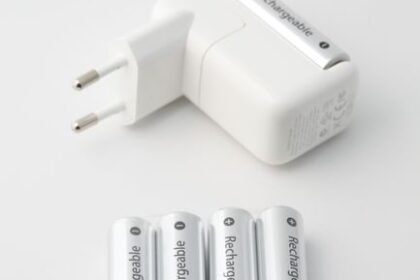
Common sizes and nominal voltages Why swapping by shape is risky Simple shape matches can hide big electrical differences. Key plain rules: For a concrete substitution example and its pitfalls, see th...
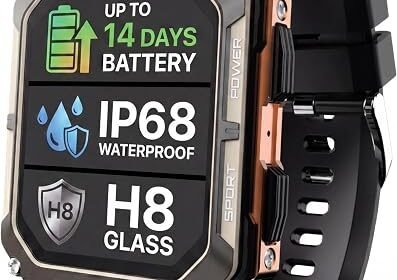
Choosing rugged construction watches for construction demands tradeoffs. Prioritize which hazards matter most before comparing models — that will make strengths and weaknesses obvious. How to prioriti...
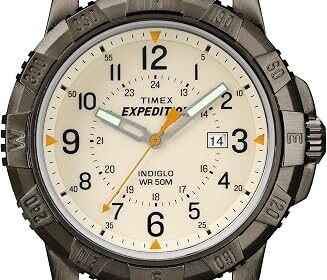
Hard parts: cases and crystals For an EDC watch under $200, choose case metals that resist dents and abrasion. Moreover, 316L stainless is the pragmatic standard — corrosion resistant and easy to serv...

An everyday carry (EDC) watch is a timepiece built for reliable daily use. Core attributes are reliable timekeeping, clear readability, durability, comfortable fit, and reasonable maintenance demands....
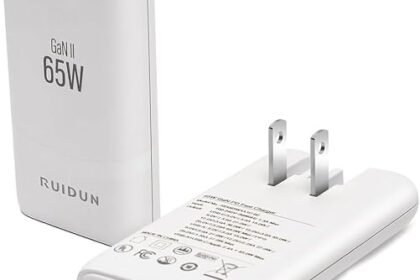
Name the three core needs—power, connectivity, and utility/protection—in your EDC tech checklist, then rank them by daily importance. Key checks before committing to an item: Decide multi-function ver...