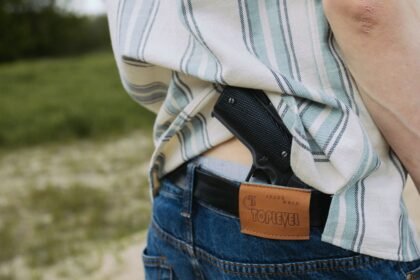
Every warm-weather adjustment sits under three fixed requirements: lawful carry, complete trigger coverage, and retention that stays consistent while moving, sitting, and sweating. If any clothing tri...

Your Everyday Carry Load Out Starts Here
Essential gear for concealed carry. Find reviews and guides on holsters, pouches, and accessories designed for discreet, functional, and reliable daily defense.
Every warm-weather adjustment sits under three fixed requirements: lawful carry, complete trigger coverage, and retention that stays consistent while moving, sitting, and sweating. If any clothing tri...
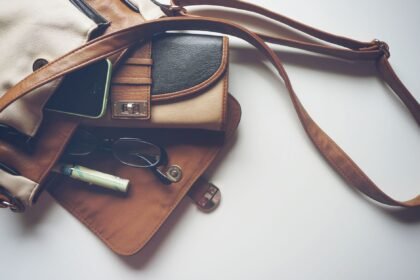
The three-part test Off-body carry is more than “a gun in a bag.” It places the firearm inside a separate object that can be set down, handed over, searched, stolen, or opened by someone e...
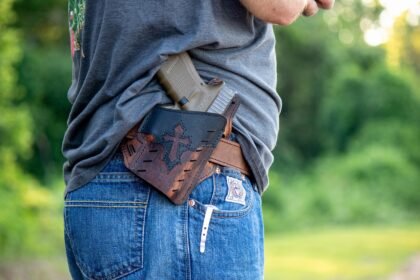
Gun belt stiffness isn’t simply stiff or soft. It can resist vertical sag under the weight of a holster. It can still bend enough to follow the waist and hips. Moreover, that distinction explain...

A concealment belt is narrower in purpose than a general gun belt. For concealment belts for carry, comfort and concealment drive the design. It should blend with clothing and resist printing. This ba...
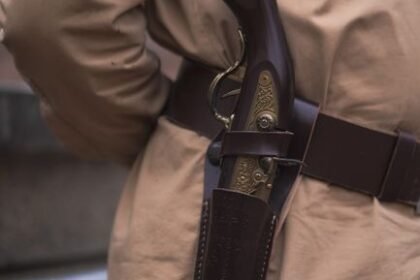
On the strong side, discomfort often comes from load concentration rather than total weight. The holster and belt tension concentrate mass on a small landmark. That contact patch is tiny, so even a li...
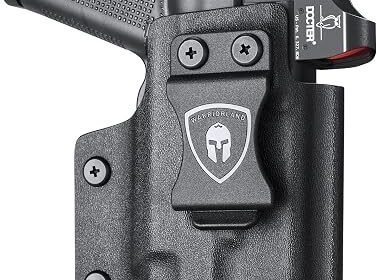
Everyday-concealment options Duty and specialty rigs Practical priorities: verify pistol light holster fit for the light footprint and cant/retention, then test draw with the pistol-light combo. Kydex...

Choosing the right Glock 19 IWB holster comes down to matching the shell to your setup: a straightforward Kydex holster covers most iron-sight carry, an optic-ready cut matters once a red dot is mount...
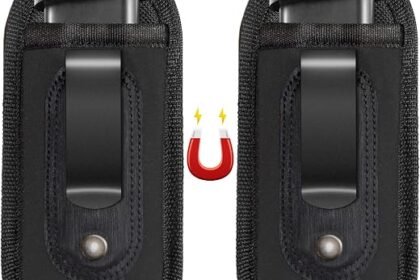
Placement, cant, and clothing adjustments Tactical adjustments that actually cut printing These tactical adjustments actually cut printing without needing a different carrier. Additionally, these opti...
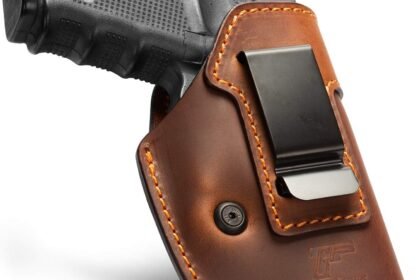
An appendix carry holster sits at the front of the waistband, roughly between the navel and the hip bone. That position shortens the draw. It also hides the grip better than strong-side carry under mo...
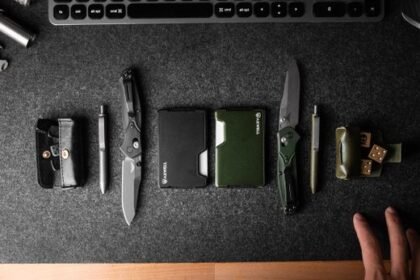
A holster, a key part of concealed carry essentials, determines concealment, comfort, and how reliably the pistol stays in place. Additionally, selecting the correct holster and carry position first p...