
A stack of cards usually adds thickness across most of the wallet’s face. Embossed numbers, raised lettering, and cards stored in separate overlapping slots can make that stack less uniform. A stated ...

Your Everyday Carry Load Out Starts Here
Find essential EDC tech accessories for your daily carry. Discover portable gadgets and gear that keep you connected and prepared.
A stack of cards usually adds thickness across most of the wallet’s face. Embossed numbers, raised lettering, and cards stored in separate overlapping slots can make that stack less uniform. A stated ...

Start by sorting every item into daily, occasion-specific, and archive groups. That first pass makes it much easier to see what’s actually earning its place in the jacket. Daily items typically ...
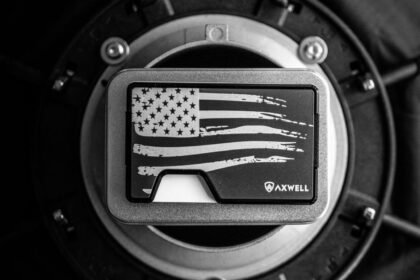
Observing the direction and timing of the loss usually reveals more than the clip’s appearance. Test the setup with the normal pocket, card count, and cash fold before altering anything. Visible...
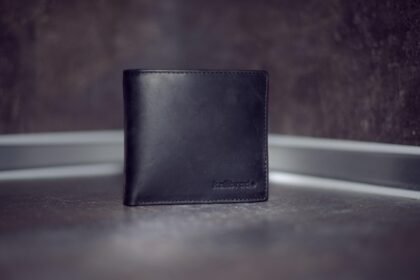
The quickest way to slow further stretching is to remove bulk before treating the leather. For leather wallet maintenance, a pocket forced wide every day keeps its fibers under tension. Conditioner ma...
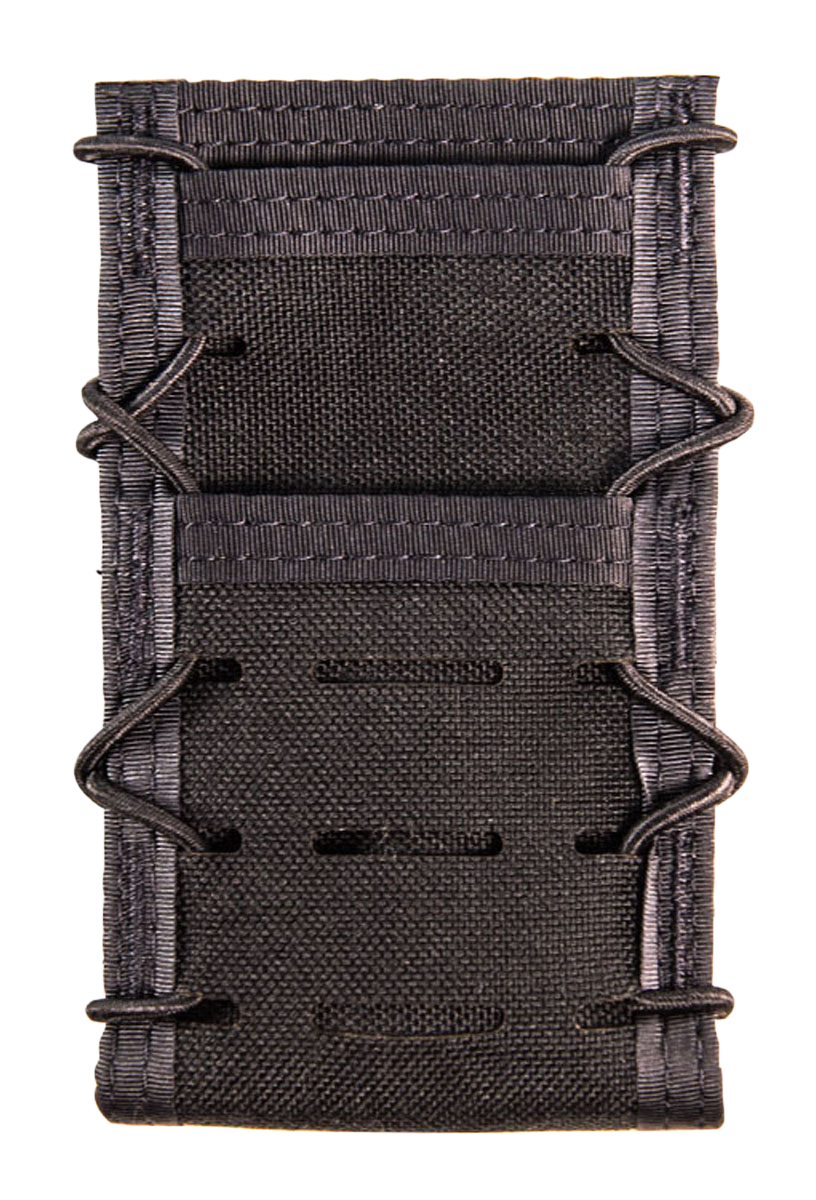
What clothing changes A slim wallet disappears only if the pocket helps it. Fabric weight, surface friction, and cut matter as much as the wallet itself. For anti-theft slim wallets, the same card loa...
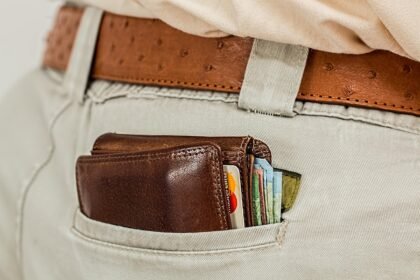
A rear-pocket wallet can offer wallet back pain relief by acting as a small shim under one side of the pelvis. That does not usually create a dramatic shift. It can raise one sitting bone and change h...

If you're torn between a bare clip vs slim wallet for cash-heavy everyday carry, the short answer comes down to stack size: a clip wins with a thin, disciplined bundle of notes, while a slim wall...
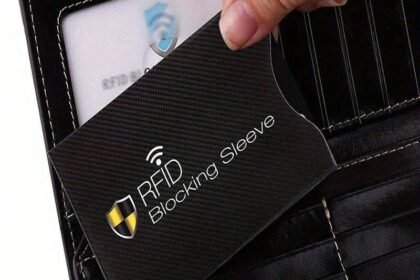
Situations where blocking adds measurable value When blockers add little value Everyday urban use—tap-to-pay cards and modern access badges—typically employ short range and dynamic cryptography, makin...
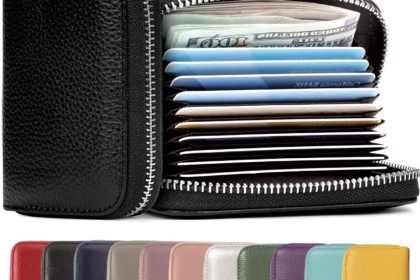
Magnetic stripe A magnetic stripe encodes card data as static patterns on three tracks. When the card is swiped, a read head senses changes in magnetic polarity. Because the data remains the same acro...
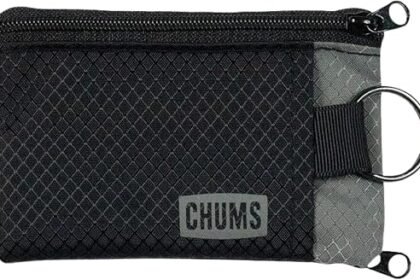
How features control bulk Slim, coin-capable wallets mix geometry and materials to hold coins without a soft, rounded bulge. For a slim wallet for coins, a gusset adds a controlled expansion zone. Whe...