
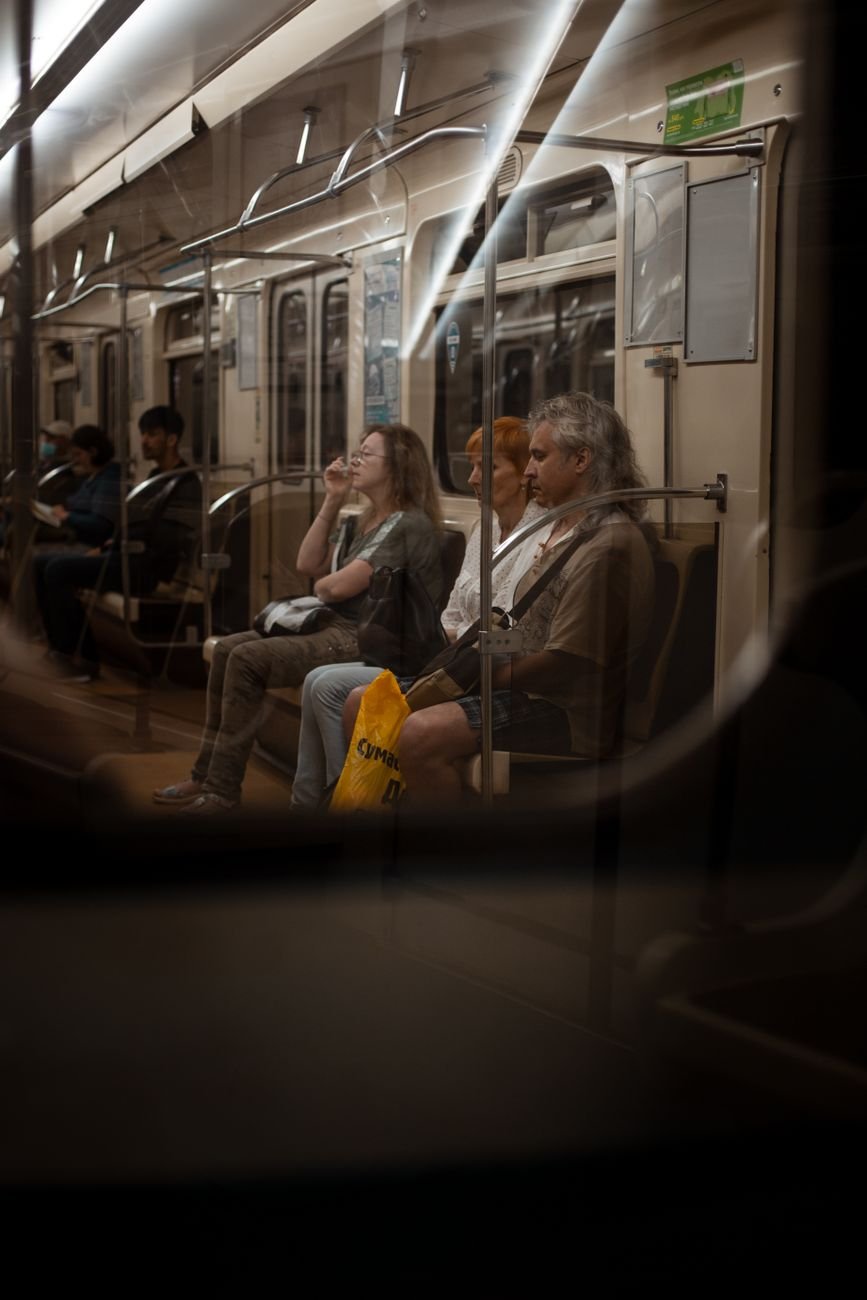
Rush hour creates perfect cover for a quick, unnoticed reach.
A train lurches forward, bags brush knees, and everyone is checking the platform, a message, or the closing doors. In that compressed moment, close contact is ordinary—which is precisely why an opportunistic thief can test an exposed pocket, open tote, or loosely held phone without drawing immediate notice.
The useful response is not suspicion of every fellow passenger. It is reducing easy access: keeping a bag zipped and in front when the car crowds, placing a phone away before the crush at the doors, and giving a brief touch-check to wallet, keys, and bag closure after jostling. Small, repeatable habits remove the distraction and concealment that opportunistic theft depends on.
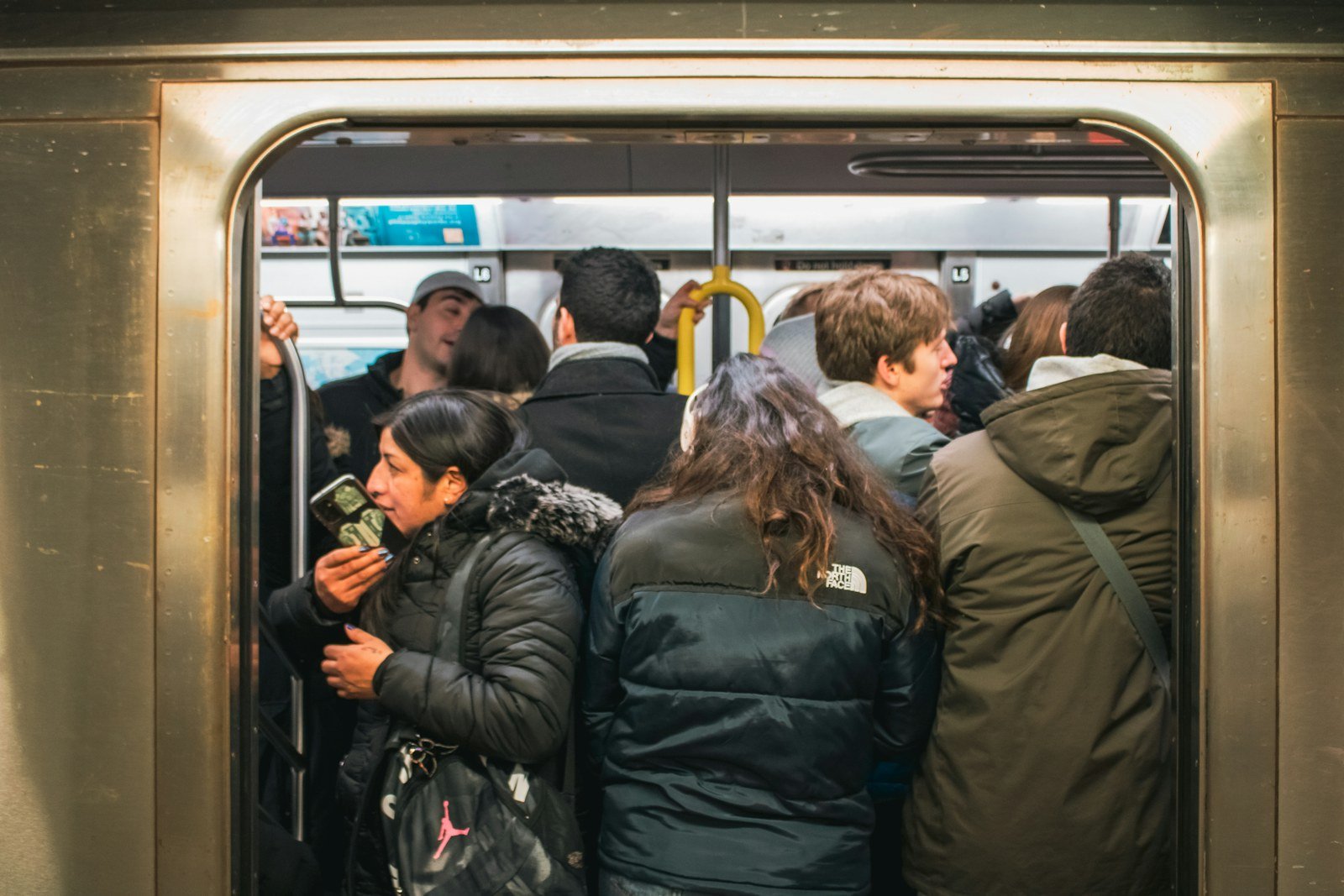
Watch the handoff moments
Additionally, a crowded car is not automatically risky when following subway anti theft tips.
The real risk appears during transitions when attention moves from belongings to navigation.
Gates, escalators, doorways, and boarding queues divide attention for a few seconds.
The useful distinction is incidental contact versus a pattern that creates real access to a bag or pocket.
Moreover, riders may bump, squeeze past, reach for a rail, or apologize awkwardly as highlighted in subway anti theft tips.
However, greater concern arises when contact couples with distraction, such as blocking a path while crowds close.
Service disruptions can amplify this effect. During an announcement, a platform change, or a stalled train, passengers often look at signs and phones while groups compress around doors. Keeping a hand on a zipped bag through the movement, then doing a quick visual or touch check after clearing the bottleneck, can preserve awareness without turning normal commuters into suspects.
On board, sudden stops merit the same small reset: regain balance first, then confirm that bags, outer pockets, and items placed near a seat remain as intended.
One bump rarely means anything. Repeated proximity, coordinated distraction, and attention focused on an accessible item are more informative than appearance, clothing, or ordinary crowding.
Pack so access is obvious
Pack by consequence, not convenience
Put the hardest items in the hardest-to-reach place. A passport, primary payment card, spare keys, and most cash belong in a closed inner pocket against the body—not in a rear trouser pocket, open tote compartment, or the organizer panel exposed when a bag is unzipped. Keep only the fare card or one low-value payment method for routine taps.
Build outward from there:
- Inner, body-side compartment: identity documents, backup card, excess cash, keys.
- Main zipped compartment: phone when not in hand, headphones, charger, and other daily items.
- Outer pocket: tissues, map, empty bottle, or objects that cause little harm if lost.
Closure matters more than a bag’s styling. Zippers should meet where they can be seen and felt, rather than sitting behind the hip or at the small of the back. A commuter sling with slash-resistant features can add material resistance, but it does not compensate for an open zipper or a pouch worn out of view.
A front-worn sling can be practical when its opening faces inward or remains under a hand in dense crowds. The useful habit is active monitoring: after a crush at the door, a sudden stop, or an escalator bottleneck, briefly confirm the closure and the bag’s position before moving on.
Carry less, lose less
A subway bag does not need to function as a portable archive. The more valuables travel together, the more rewarding one successful theft becomes. A deliberately small daily carry reduces both the number of access decisions in a crowd and the consequences of a missed check.
First, keep fare access in the quickest secure location.
Additionally, keep the primary payment card elsewhere, ideally in a zipped body-side pocket.
Also, carry only a modest amount of cash and one backup payment method in a separate compartment.
Finally, this is the practical core of choosing what to carry for a commute.
Separate ID, keys, and spending rather than stacking them in one wallet. A slim wallet with the day’s essentials belongs in a controlled-fit pocket—one that closes, sits close to the body, and does not gape when seated. Keys can stay on a short tether or in an internal sleeve, where their weight and noise make removal more noticeable.
Before boarding, a quick inventory helps: fare method, phone, payment, ID, keys. Anything rarely needed can remain at home.
Make a guarded position feel automatic
- Put the bag on the body-facing side
A backpack can be worn on the front in dense cars; a shoulder bag can sit between the body and a seat, wall, or fellow passenger. This reduces exposed zips and makes an opening more noticeable through ordinary contact.
- Keep closures in the line of sight
Turn zip pulls inward or upward rather than toward the aisle, and avoid letting an unfastened tote hang behind a leg. Visibility matters more than constant gripping.
- Treat door areas as temporary zones
Near a stop, loose items are easier to snatch amid the shared movement of passengers exiting. A phone, wallet, or bag left on an outer side can be moved closer to the torso before the train slows.
- Reset before the doors open
A brief check—bag closed, phone put away or held securely, pockets clear—creates a useful transition routine. It does not require scanning every passenger or interpreting normal crowd behavior.
- Move after the platform clears
If standing near doors, stepping aside until the initial rush passes can reduce rushed handling of belongings. Repositioning can happen once there is space.
The tactic relies on timing, not necessarily force: an item is taken as doors open, and the person leaves with the crowd while the train departs. Keeping valuables close during the approach to a station narrows that brief window without turning an ordinary ride into a confrontation.
Put phones and payment cards away before the crowd
A phone used to check a route and a card at a fare gate create two exposure windows. Moreover, subway anti theft tips remind riders to stay aware after the interaction.
End every interaction with a reset
Before moving into a dense platform area, it can help to use a fixed sequence: finish, secure, move. Lock the phone and place it in a closed, body-side pocket or zipped bag compartment before walking on. Return a payment card to its usual protected slot rather than carrying it loosely while navigating crowds.
Avoid treating a jacket pocket as a temporary holding place after tapping through a gate. Temporary storage tends to become forgotten storage, particularly during transfers or service disruptions.
A few practical distinctions matter:
- Phone: keep route details available only until the next decision point, then put the device away.
- Contactless card: tap, confirm passage, and stow it before joining the platform flow.
- Wallet: do not open it at the gate unless necessary; a single card is less conspicuous and faster to secure.
This small reset reduces the chance that an exposed item remains visible just as space, movement, and attention become harder to control.
A bump is not proof—but distraction still matters
Crowded cars create ordinary contact: braking, door surges, uneven footing, bags, and passengers turning at once.
Contact alone says little. Risk rises when contact coincides with a reachable bag, an open closure, divided attention, or someone leaving immediately afterward.
A distraction may be accidental, or it may create cover for another person nearby to reach a pocket or bag.
A calm response can be to close a hand over the bag or pocket, confirm key items are present, and step toward other passengers, a door area, or staff visibility.
Brief, routine checks are hard to read as a reaction and reduce the value of distraction.
Attention can stay on belongings without staring, arguing, or displaying valuables. If something appears missing, moving away from the immediate crush can make a clearer check possible.
A low-drama sequence preserves options: cover the access point, check by touch, move into visibility, then reassess.
Avoiding accusations based only on suspicion can prevent an ordinary crowding incident from escalating. If a bag or pocket has been opened, attention can shift to securing remaining items and seeking transit staff or a safer, more visible location.
Use the same 10-second reset every time
-
Pause before the doors arrive
End route-checking and put the phone away before attention shifts to the crowd.
-
Confirm the essentials
Feel for wallet, phone, keys, and transit card through their closed pockets; avoid opening the bag on the platform.
-
Set the bag position
Bring it to the body side, turn closures inward or upward, and keep a hand on it through the doorway.
-
Read the immediate environment
Note the nearest staffed booth, help point, or visible employee, then choose a boarding spot without a crush behind it.
-
Recheck after the doors close
A quick touch-check catches a loss while the location, train car, and surrounding events are still clear.
Move to a staffed area, help point, or well-populated location when practical. Note the line, direction, car number, station, time, and any distinctive events; these details are more useful than a vague description later.
Report the incident through the transit agency’s appropriate channel and secure affected accounts or devices through their providers. Chasing someone, searching a crowd, or accusing a stranger can turn a property loss into a personal-safety risk.
Subway Safety: Common Questions
Where should I keep my wallet and passport on a crowded train?
In a closed inner pocket against the body, not a rear trouser pocket or an open bag compartment. Keep only a spending card and fare method accessible for routine taps.
Is every bump on a crowded subway a theft attempt?
No. Ordinary crowds create constant incidental contact. Risk rises when contact coincides with a reachable bag, an open closure, divided attention, or someone leaving immediately afterward.
What should I do right after tapping my card or checking my phone?
Use a fixed sequence: finish, secure, move. Lock the phone and put it away, and return the payment card to its protected pocket before walking into a crowded platform.
What should I do if something was stolen on transit?
Move to a staffed area or well-populated location, note the line, car, station, and time, then report it through the transit agency and secure any affected accounts — avoid chasing or confronting anyone.
Attention works best when it has a trigger
- Use boarding and door closure as fixed moments to check essentials.
- Capture location details early; they fade quickly after a disruption.
A short reset before boarding turns vague vigilance into a repeatable routine. If something appears missing, getting to safety and preserving useful facts matters more than recovering the item.




4 Comments
The “finish-secure-move” thing is exactly what I needed to hear. I used to tap out, check the next train on my phone, and then shove it in my jacket pocket while walking through the crowd. Now it goes into a zipped inner pocket before I leave the gate area—slightly less convenient, massively less stressful.
The pre-door check has saved me from the classic “stand up, juggle tote/coffee/phone, squeeze out” chaos. I do wallet, phone, keys while the train is still one stop away. Not glamorous, but neither is cancelling cards at 7 a.m. 🙃
One thing I’d add: backpacks are not automatically safe just because they have a fancy anti-theft label. Mine has locks and hidden zippers, yet if it’s on my back in a crowd I can’t see whether somebody is messing with it.
For trains I either carry it in front or put the important stuff in a zipped body-side pocket. I also keep one payment card separate from my wallet. It felt overly cautious at first, but it means a lost wallet isn’t an instant disaster.
Same. The “anti-theft” branding can turn into a false sense of security. I still use my backpack, but I move it around front at doors and keep my transit card somewhere I can access without opening the whole thing.