
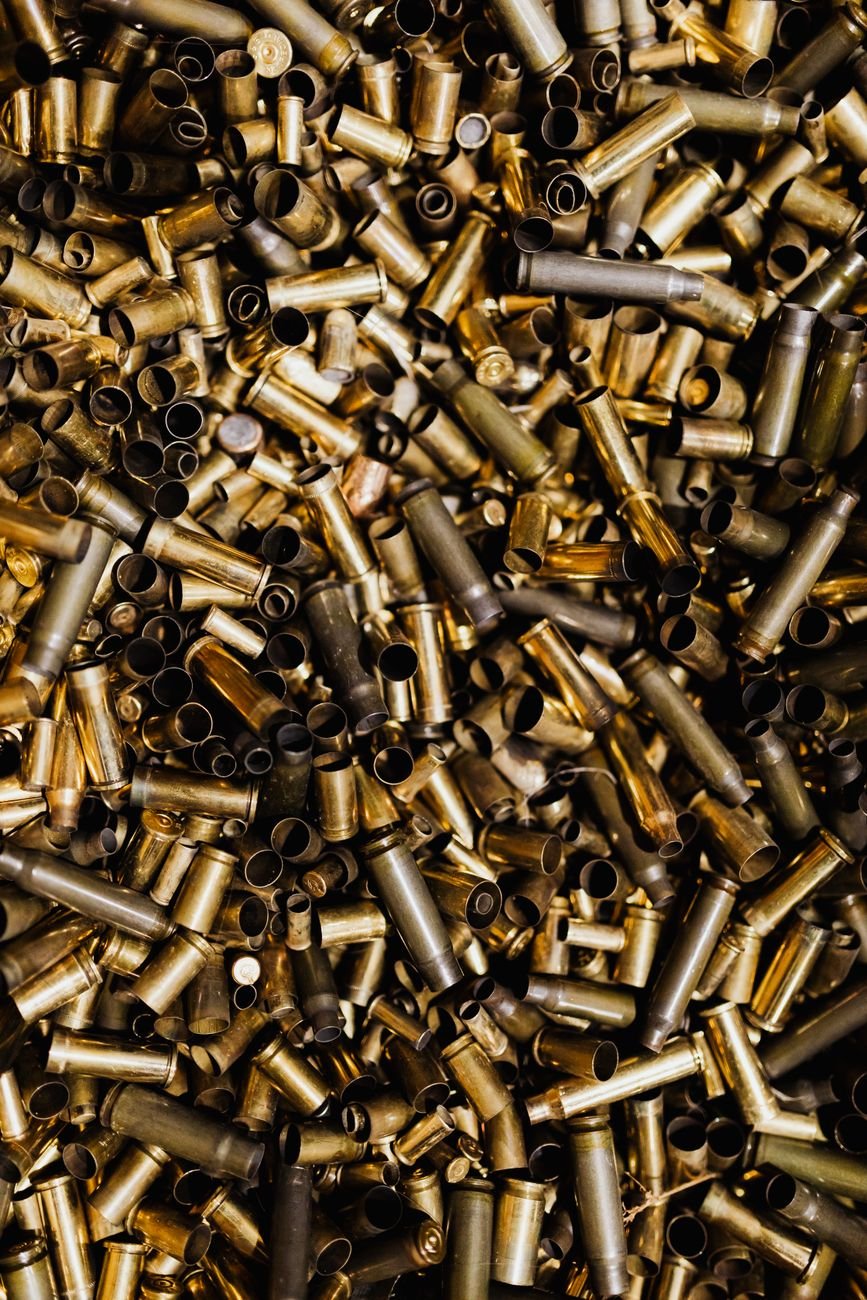
A large case count is only a bargain when every round is the one the firearm actually takes.
A flashing “limited stock” banner can make a 1,000-round case look like an obvious win—until the label reveals a different cartridge, bullet weight, or load type than expected. “9mm” is not a complete buying description: 9mm Luger, 9mm Makarov, and 9×21 are distinct cartridges, while 9mm Luger itself appears in full-metal-jacket, hollow-point, subsonic, +P, and specialty loads.
Before treating a case as value, match the listing’s full specification to the firearm manual and the intended use: cartridge designation, bullet weight in grains, projectile construction, muzzle-velocity class, case material, primer type, and factory-new versus remanufactured status. Also confirm the count: a “case” may contain several smaller boxes, and a round count can obscure mixed lots or a higher per-round cost. Scarcity claims are marketing context, not a substitute for item identification.
- Read the manufacturer SKU and the exact cartridge marking, not only the product title.
- Compare cost per round only after confirming every case contains the same load and condition.
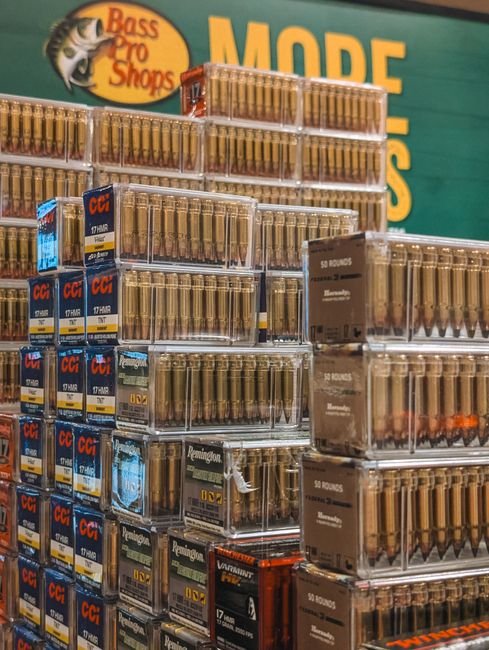
Match the complete cartridge designation
-
Read the barrel or chamber marking
The marking on the barrel, chamber, or receiver is the primary identifier. Record every element: caliber, cartridge family, case length, and any suffix such as “NATO,” “Magnum,” or “+P.”
-
Confirm it in the manufacturer’s documentation
The owner’s manual or the manufacturer’s current chambering page can clarify markings, approved cartridge variants, and model-specific exceptions. A retailer’s fitment note is not equivalent documentation.
-
Compare three places character for character
The firearm marking, the listing title, and the specifications table should name the same cartridge. If a title says “5.56 ammo” while specifications say .223 Remington, the specification—not the nickname—defines the case.
-
Treat similar names as different cartridges
“.38 Special,” “.357 Magnum,” “9mm Luger,” “9mm Makarov,” and “.223 Remington” are not interchangeable labels. Shared bullet diameter or a familiar caliber number does not establish chamber compatibility.
-
Pause when the designation is incomplete
Terms such as “9mm,” “.308,” or “7.62” can conceal multiple distinct cartridges. A bulk case is worth ordering only after the exact commercial designation is visible on both the firearm documentation and product label.
Headstamps can help identify cartridges after purchase, but they are not a substitute for the firearm’s chamber marking.
5.56×45 NATO and .223 Remington illustrate why the full label matters: similar dimensions do not make the names interchangeable in every chamber. The same caution applies to 7.62×39, 7.62×51 NATO, and 7.62×54R—three entirely different cartridges.
For bulk listings, the box label and specifications table are stronger evidence than search filters, category pages, or abbreviated product titles.
Choose a Load That Fits the Job
- Bullet construction
Full-metal-jacket loads are commonly accepted for routine range use, while hollow points and other expanding designs may be restricted or unnecessary there. Check the facility’s posted projectile rules before committing to a case.
Look forA bullet style permitted by the intended range and suited to the planned activity.AvoidAssuming every range allows the same projectile types. - Bullet weight and point of impact
Within one cartridge, heavier bullets usually travel more slowly and can print differently than lighter ones. A pistol or rifle may also function more consistently with particular weights; weekly 9mm range choices make those trade-offs easier to compare.
Look forA common, documented weight that runs reliably in the specific firearm.AvoidTreating all loads of the same caliber as identical. - Velocity and rifle restrictions
Velocity affects recoil, trajectory, noise, and whether a load meets a range’s limits. Indoor facilities may prohibit steel-core or magnetic projectiles regardless of the case material; high-volume .223 case options need that extra screening.
Look forPublished velocity data and confirmation of the range’s projectile policy.AvoidConfusing a steel case with a steel-core bullet. - Purpose and caliber-specific testing
There is no universal best case: economical practice ammunition, precision-oriented loads, and low-recoil options solve different problems. Rimfire reliability varies notably by firearm, so .22 LR loads known for fewer duds merit a small trial first; the same principle applies to .45 ACP range-day selections.
Look forA small-function test before scaling to a full case.AvoidBuying a large quantity solely because a load suits another firearm.
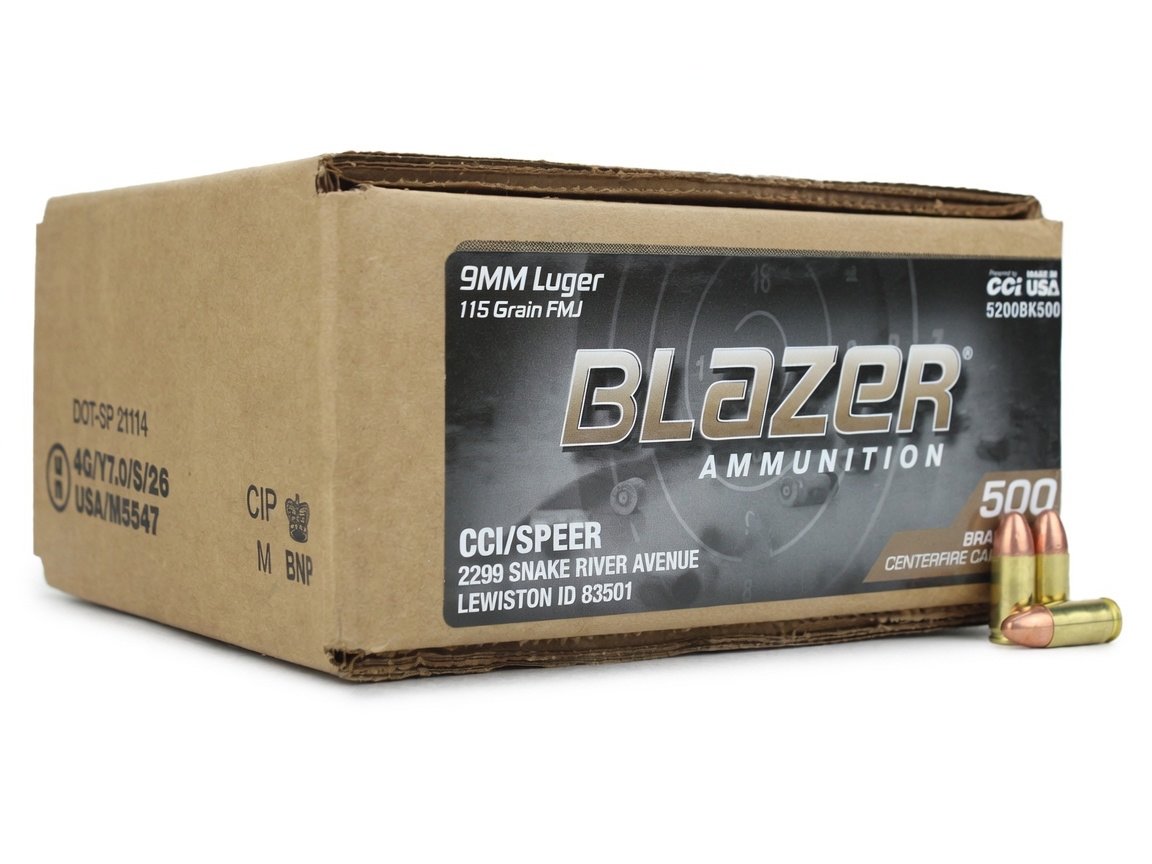
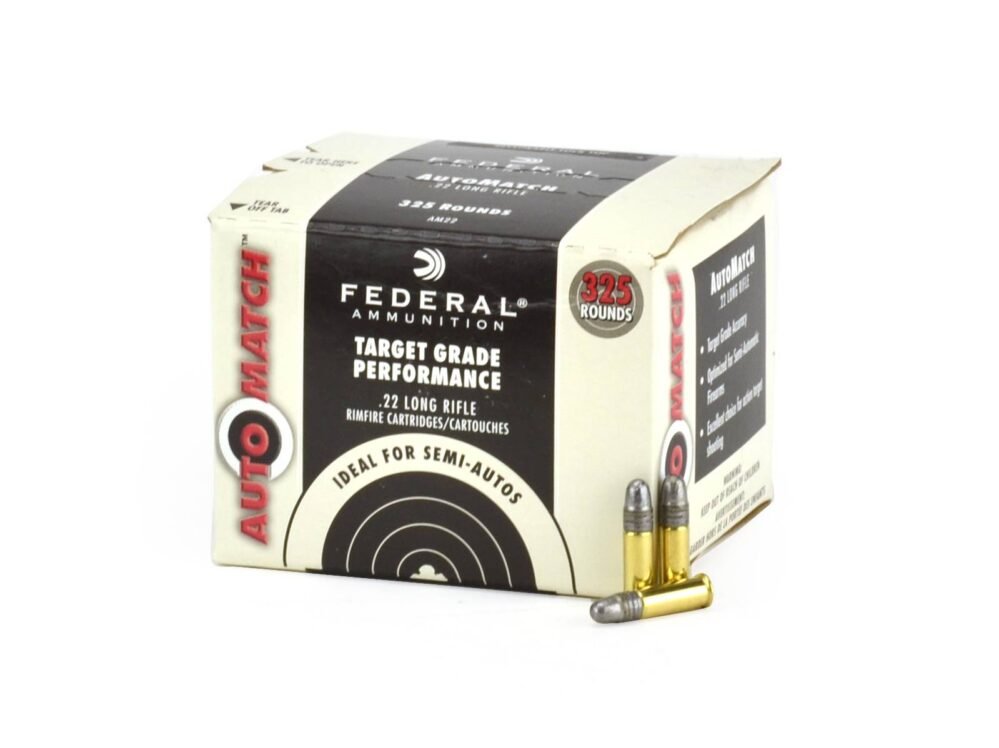
What “a Case” Actually Means
Box
The smallest retail unit, commonly 20, 25, or 50 cartridges. Its printed count is the baseline: a listing described as “10 boxes” must equal that box count multiplied by ten.
Value pack
A larger factory retail package, often 100 or 200 rounds, but not a universal size. It may be loose-packed rather than divided into small boxes, so “value pack” alone says nothing about the round count.
Brick
A retail bundle associated especially with rimfire ammunition, often built from several small boxes. Brick counts vary by maker and product line; confirm both the number of inner boxes and rounds per inner box.
Loose bulk pack
Cartridges are poured into a carton, bag, or plastic container without individual retail boxes. The stated total count matters most, while the package image may show a container size used for several quantities.
Manufacturer case
The factory shipping unit: a fixed number of boxes, packs, or loose rounds in an outer carton. Verify the listing’s “rounds per case,” “units per case,” and “rounds per unit” fields all produce the same total. That check also clarifies whether 500 or 1,000 rounds is the more suitable order size.
Case Material Is a Separate Specification
A “case” can also mean the metal cartridge casing—not the outer shipping carton. Listings commonly identify brass, steel, or aluminum, and that detail can matter even when caliber, load, and round count are identical.
Brass, steel, and aluminum
Brass is the usual all-purpose choice. It expands to seal the chamber effectively, then contracts enough for reliable extraction in most firearms. It also resists corrosion well and is conventionally reloadable when the case, primer pocket, and firing history permit it.
Steel-cased ammunition is often coated to limit rust, but exposed or damaged coating can still corrode. Steel does not behave like brass during firing, so extraction can be less forgiving in a dirty chamber or a firearm tuned around brass; performance varies by platform and load. Its magnetic cases are also prohibited at many indoor ranges and some outdoor facilities, regardless of the bullet construction. For tradeoffs in economical practice loads, see this brass-versus-steel comparison.
Aluminum-cased ammunition is lightweight and usually non-reloadable. It cannot be reliably resized and worked like brass, and range recycling programs may not accept it. Before buying a bulk lot, confirm the facility’s magnetic-ammunition policy and whether fired cases are intended for collection or disposal.
Compare the Final Cost Per Round
- Start with a verified round count
Use the count actually being purchased, not the number of boxes pictured or the word “case.” A 20-round box, a 50-round value pack, and a 1,000-round factory case can make identical-looking offers radically different; a quick cost-per-round calculation puts them on the same scale.
- Calculate the landed total, not the cart subtotal
Divide the final checkout total by the verified number of rounds: item price, delivery, sales or use tax where collected, carrier or handling charges, and any required fee, less a discount that genuinely applies. A lower headline price can lose once delivery is added.
- Treat free-shipping thresholds as part of the price
A threshold is valuable only when the added quantity is wanted and the final order still has a lower per-round figure. Adding an unwanted box merely to erase shipping changes the purchase total, package mix, and effective rate.
- Account for membership terms honestly
If a paid membership is necessary to unlock the advertised rate, its cost belongs in a one-time comparison. It can be spread across later orders only when those orders are genuinely expected, not assumed to make a deal look better.
- Compare equivalent orders at the same checkout stage
Tax treatment, delivery zones, and package size can change the answer by destination. The question of whether bulk remains cheaper after shipping and tax is answered only after both sellers’ final totals are calculated for the same cartridge, condition, and round count.
Keep a screenshot or written record of the final cart total and stated round count; advertised prices and shipping rules can change.
Audit the Order Twice Before Payment
-
Freeze the exact product-page details
Before adding the item, record the SKU, full cartridge designation, bullet weight and type, case material, condition, manufacturer, and stated rounds per box and per case. A product title alone is not enough; the specification table and package image can reveal a mismatch.
-
Treat vague wording as unresolved
“Comparable,” “assorted,” “bulk pack,” “new production,” or a photo marked “representative” can leave material details open. Listings that permit substitutions, omit the maker, or conflict between title and specifications merit clarification from the seller before an order is placed.
-
Recheck the cart line by line
Confirm that the cart preserves the selected variant rather than a default option, and recalculate the total round count from the displayed quantity and pack size. Also verify that discounts, shipping thresholds, and any limits did not change the item or quantity.
-
Read checkout restrictions and delivery terms
Shipping eligibility, adult-signature handling, carrier availability, destination restrictions, and delivery timing can differ by seller, carrier, and location. The seller’s policy—not a general assumption—answers whether a shipment requires a signature.
-
Save the order record
Keep the final confirmation, product page, and packing details until the shipment is received. Those records make it easier to compare the delivered label, count, and condition against what was ordered.
A nearly identical listing may differ in caliber suffix, bullet construction, case material, packaging count, or condition. If the product page and cart use different descriptions—or the checkout total suggests a different pack size—the order is not yet fully verified.
A seller clarification can establish what will actually be shipped; an assumption based on a thumbnail, prior listing, or familiar brand name cannot.
Make Space Before the Case Arrives
A case is easier to manage when its destination is decided before the delivery notice. The best location is indoors: dry, stable, protected from direct sun, plumbing leaks, and routine impacts. A high shelf or locked cabinet, away from exterior walls and concrete floors, reduces exposure to dampness and accidental crushing.
Original cartons are useful records, not disposable packing. Keep each caliber, load, manufacturer, purchase date, and lot number together; photograph the end label before opening if it may be discarded. Lot separation makes it possible to identify exactly what was used if a performance question or manufacturer notice arises. It also preserves the conditions behind how long ammunition can remain dependable.
Build for the environment, not the carton
Store boxes in sturdy totes or metal containers that protect against abrasion and water intrusion, but do not seal damp cartridges inside. A gasketed can works best when contents are dry and its seal is intact. Avoid mixing loose rounds of similar appearance, stacking heavy gear on cartons, or leaving a shipment in a vehicle.
Heat alone is less harmful than repeated heat-and-humidity cycles, yet garages often combine both with condensation and seasonal extremes. The garage-storage heat considerations can help determine whether an alternate indoor location is warranted. On arrival, inspect the outer case for crushing or water damage before shelving it, then rotate stock by purchase date.


Use a Two-Pass Stoplight Check
-
Read the full specification line first
Confirm the exact cartridge designation, bullet weight and type, case material, condition, and any manufacturer or lot details relevant to the listing. A familiar caliber name alone is not enough.
-
Rebuild the package count
Identify rounds per box, boxes per bundle, and bundles per case. Compare that calculated total with the quantity stated in the cart, not only the headline.
-
Calculate value from the delivered order
Use the verified round count and all displayed order charges to compare one listing with another. A lower case total can conceal fewer rounds or added delivery costs.
-
Check that every source agrees
The product page, selected variant, cart, and confirmation details should describe the same load and count. A conflict between any of them is a stop signal.
-
Pause on missing specifics
Terms such as “assorted,” “equivalent,” or “case” without a stated count leave too much unresolved. When material details are vague, contradictory, or absent, there is no reliable basis for placing the order.
Frequently Asked Questions
What does a case of ammo actually mean?
A case can mean the metal cartridge casing (brass, steel, or aluminum) or the manufacturer shipping unit containing a fixed number of boxes, packs, or loose rounds — always verify which one a listing means.
How can I tell if a bulk listing matches my firearm?
Compare the exact cartridge designation on the firearm barrel or chamber marking, the manufacturer documentation, and the listing specifications table character for character before ordering.
What is the difference between brass, steel, and aluminum ammo cases?
Brass is the standard reloadable option that seals and extracts reliably. Steel is often coated against rust but can be less forgiving to extract and is magnetic, which many indoor ranges prohibit. Aluminum is lightweight but generally non-reloadable.
How do I calculate the real cost per round?
Divide the final checkout total (item price, shipping, tax, and any fees minus valid discounts) by the verified number of rounds actually being purchased, not the number pictured or implied by the word case.
Where should bulk ammunition be stored after delivery?
In a dry, stable indoor location such as a high shelf or locked cabinet, away from exterior walls, concrete floors, and repeated heat-and-humidity cycles, with original cartons and lot numbers kept together.
- A complete specification match comes before any price comparison.
- A stated total is meaningful only when its packaging math and delivered charges are clear.
Bulk ammunition is straightforward to compare once each listing is reduced to two facts: the exact load and the exact number of rounds delivered. Clear, consistent details support a confident comparison; ambiguity is a reason to stop and verify rather than guess.






9 Comments
Does bullet weight alone tell you whether a load is okay for an indoor range, or is bullet style the bigger issue? The range rules near me are written in a way that assumes everyone already knows the terminology.
Usually the range’s specific rules are what matter most. Mine cares about projectile construction and whether it attracts a magnet, while another nearby place has velocity limits too. I’d call them with the exact product description rather than trying to infer it from weight.
I wish more stores showed the true round count beside every variant instead of making you decode “value pack,” “brick,” and “case.” That terminology is doing a lot of work for something that should just say what you get.
The storage section was useful. I had been leaving sealed deliveries in the garage because it seemed convenient, but the temperature swings and dampness are probably not ideal.
Keeping the labels and lot information also makes sense. I never thought about checking the package at delivery before putting it away—basic advice, but easy to skip when a box shows up after work.
The “case” count thing got me once. I saw 1,000 rounds in the headline, but the option I clicked was actually five 50-round boxes. Now I do the packaging math before I even look at shipping.
The landed-cost calculation should be printed in about 40-point type on every deal page. A “cheap” bulk pack stops being cheap after delivery, tax, and sometimes a membership fee.
I also appreciate the reminder to check the cart variant separately. It is surprisingly easy to read details for one option and have a different one selected in the cart.
When you say the full cartridge designation has to match, does that mean I shouldn’t assume similarly named rounds are interchangeable just because they fit in the magazine? I’m pretty new to this and the suffixes are confusing.
Correct—do not rely on a similar name or magazine fit. Use the exact chamber marking in the firearm manual/barrel and match it to the complete designation on the listing; suffixes can identify meaningfully different specifications. If anything is unclear, pause and confirm with the firearm manufacturer or a qualified gunsmith before buying.
Glad you separated casing material from the cartridge/load info. My local indoor range has rules about what they’ll allow, and I used to think brass vs. steel was only a reloading question. Turns out it can affect whether I can actually use what I bought there 🙃