Overwhelm from endless gadgets meets limited cash — prioritize what actually gets used.
A common scene: pockets heavy with novelty tools while the phone dies and boarding pass is nowhere to be found. Treat EDC like a tiny toolkit — solve real failure modes first: no power, no ID, no light. Adopt a three-pass habit: pick core items that cover communication, identification, and basic tasks; favor multi-use pieces; add inexpensive spares to test. This turns decision fatigue into a repeatable, low-stress process that fits any budget.
- Aim for 3–5 daily items, not a pocketful of gadgets.
- Target total carry weight under ~8 ounces if possible.
- 20,000mAh power banks typically provide multiple full phone charges.
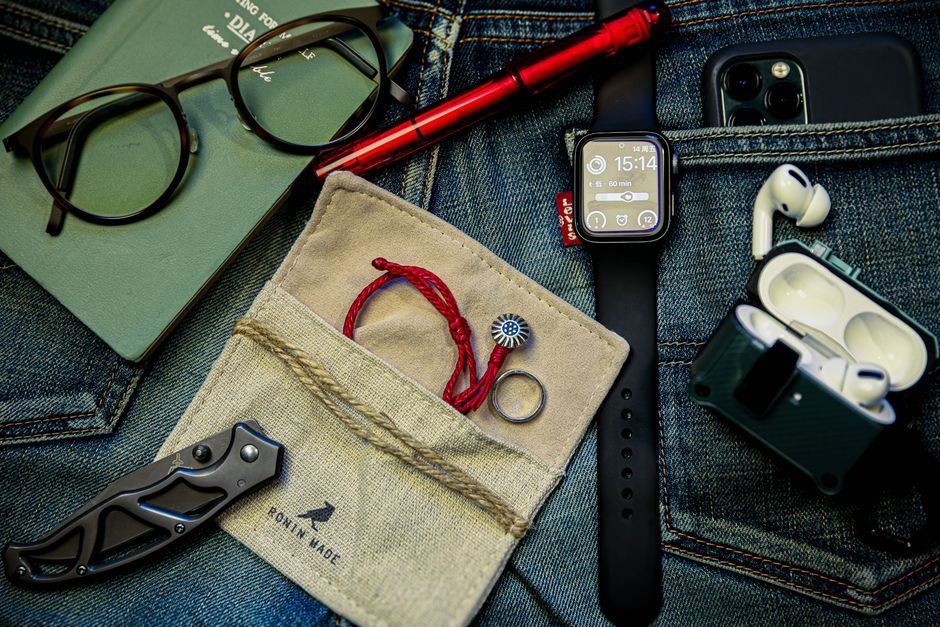
Compact essentials


Four compact criteria to judge any EDC item
- Durability and materials
Choose materials and construction that tolerate daily abrasion, drops, and exposure. Longevity matters more than fashion; a well-made tool saves replacement headaches.
Look forproven materials and robust joints (stainless steel, solid-body polymers, sealed assemblies)Avoidfragile finishes, thin stamped parts, or complex, delicate mechanisms - Weight and carryability
Balance capability against pocket comfort. An item used daily must be carried comfortably for long periods; oversized gear often ends up unused.
Look forcompact profile and clipped or modular carry optionsAvoidunbalanced bulk or no practical carry solution - Functionality and redundancy
Prioritize items that perform core tasks well and reduce redundancy across the kit. Multipurpose is good when it doesn’t compromise primary function.
Look forclear primary function and sensible secondary usesAvoidoverloaded tools that do many things poorly - Serviceability and lifecycle
Consider repairability, replaceable parts, and standard batteries or blades. Items that are serviceable stay useful longer and often cost less over time.
Look forreplaceable wear parts and vendor supportAvoidsealed, disposable designs with no spare parts
Quick evaluation method
Perform a rapid, repeatable test by holding the item.
Additionally, imagine a week of daily carry, and run it through three questions.
Will it survive daily use, can it be carried comfortably, and does it actually do something needed?
Use this short checklist when comparing options:
- Materials & build: Inspect joints, fasteners, and contact points. Prefer simple, serviceable construction.
- Carry fit: Clip, pocket shape, and weight distribution determine real-world use.
- Primary function: Verify the item performs its main job reliably before valuing extras.
- Lifecycle: Check for spare parts or standardized consumables.
Accept trade-offs consciously: sometimes a slight weight increase is worth much greater durability. These criteria cut through hype and help pick gear that stays useful, not just fashionable.
Five prioritized buys, with minimum specs and mistakes to avoid
-
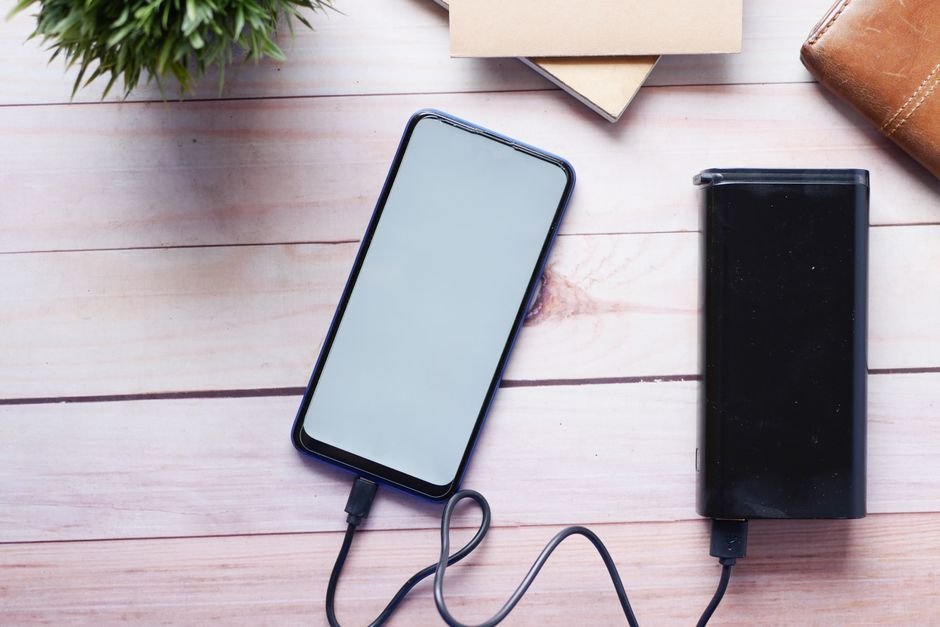
Phone and portable power
Minimum: a reliable smartphone plus a compact power bank able to deliver at least one full phone charge and a durable charging cable (USB-C/Lightning). Common mistake: prioritizing extreme capacity or low price over reliability and forgetting spare cable(s).
-
Slim wallet with ID and emergency cash
Minimum: secure ID access, space for primary cards and a small folded emergency bill. Common mistake: choosing a bulky bifold that defeats the point of discreet, comfortable carry.
-
Everyday knife or compact multi‑tool
Minimum: a well‑made blade or tool with a reliable locking mechanism and corrosion‑resistant steel, plus comfortable carry. Common mistake: buying a cheapest-or-biggest option; poor steel, fit and finish degrade usefulness quickly.
-
Reliable flashlight
Minimum: usable output (useful beam for short‑range tasks), solid switch, and a convenient power source (user‑replaceable batteries or USB recharge). Common mistake: equating tiny keychain novelty lights with real utility.
-
Compact first‑aid and repair basics
Minimum: a few adhesive bandages, antiseptic wipe, tape, and a small multitool/duct tape strip for emergency repairs; store compactly. Common mistake: buying a large, rarely organized kit or skipping maintenance—supplies must be restocked and checked.
Each item should meet the four compact criteria (durability, carryability, function, serviceability) before being added to a daily set.
Three quick build paths
Urban commuter
Core sequence: compact wallet, phone power bank, key light, pen & pocket notebook, multi-tool. Emphasize slim carry and fast-charge power options — prioritize lighter, serviceable items that live in a jacket pocket.
Outdoor amateur
Core sequence: reliable flashlight, robust multi-tool or fixed blade, waterproof notebook, higher-capacity power bank, weatherproof wallet. Focus on durability and replaceable batteries or fuel; pick gear rated for wet and rough use.
Minimal traveler
Core sequence: versatile watch, minimalist wallet, small multi-tool, compact light, single-cell power bank. Choose items that multi-task and reduce carry — lighter, fewer pieces with predictable service paths.
Swap rules (simple):
- If battery life matters most, trade pocket volume (wallet or notebook) for a larger power bank.
- If weather/durability matters, upgrade materials (wallet, light, blade) before adding more pieces.
- If pocket space is limited, swap a full tool for a one-piece multi-tool or a slimmer knife.
These three templates make the core sequence actionable; mix elements based on commute, climate, and tolerance for carry.
Minimalist or bifold? Pick the right wallet
Adopt a single rule: pick the smallest wallet that reliably holds essentials—ID, one primary card, a backup card or two, and a bit of cash.
Judge candidates by three pragmatic criteria:
- Durability: stitching, material quality, and edge finishing determine lifespan; leather, ballistic nylon, or metal-reinforced options last longest.
- Capacity: count real slots (cards, an ID window, a cash fold); empty compartments add unnecessary bulk.
- Pocket profile: measure thickness and carry location; front-pocket minimalists benefit from very low stack height.
Test by loading actual essentials and carrying it in the intended pocket for a day. For deeper tradeoffs, see when to choose minimal vs bifold.
A compact example follows to show scale and typical features.
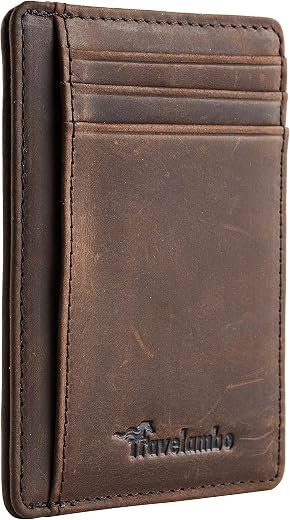
Travelambo Slim Wallet
Budget minimalist
Features: 0.12″ thickness; 3.1″ x 4.4″ footprint; RFID blocking tested at 13.56 MHz; ID window; six card pockets for front-pocket carry. Known for being extremely thin and inexpensive while offering basic RFID protection.
Notebook and pen choices
Choosing a pocket notebook and pen that actually get used means matching size, paper, binding, and weather resistance to habits. For daily jotting, a small 3×5 pocket notebook fits front pockets; A6 or reporter formats suit longer notes.
Paper: smooth, heavier stock supports gel and fine fountain pens.
Additionally, lightweight sheets suit ballpoints.
Ruling: dot or grid for diagrams, blank for sketching.
Binding: staple or top-bound notebooks lie flat and pocket easily.
Thread-sewn spines last for durability.
A sturdy, well-matched notebook-and-pen pairing pays off daily.
Pen selection prioritizes a dependable refill, firm clip, and low maintenance. Pressurized or cartridge ballpoints work in wet or cold; roller balls and fountain pens offer smoother lines but need better paper.
Match by use-case:
- Commuter: compact staple-bound notebook + dependable ballpoint.
- Outdoor: waterproof paper and durable binding; see paper and binding that handle rain.
- Minimalist: ultra-slim notebook and a pen that clips to cards.
Watch fit and function: choosing comfort over complexity
Comfort matters more than complications. Case diameter and—critically—lug-to-lug determine whether a watch hugs a wrist or overhangs it; straps change the perceived size and carry feel. For measuring and selection techniques, consult the case and band fit guide.
Quick fit checklist:
- Measure wrist width and compare to lug-to-lug, not just case diameter.
- Try different strap materials: leather and NATO straps pull the case closer; bracelets can add bulk.
- Consider thinner cases for shirtsleeves.
Function first: a simple quartz or basic mechanical offers long battery life, easy service, and everyday reliability—often a smarter starter buy than a feature-heavy smartwatch whose size, charging needs, and fragility reduce practical daily wear for many EDC roles.
Choosing a power bank
Beginners should pick a power bank by matching usable capacity to recharge needs, confirming the right output types and wattage for devices, and verifying basic safety features.
Match capacity to recharge needs
- Expect inefficiency: assume roughly 60–70% of the rated mAh is usable after voltage conversion and losses. Use this to estimate full charges: (bank mAh × 0.65) ÷ device battery mAh ≈ full charges. Example: a 20,000mAh bank typically yields ~3–4 full phone charges.
- Typical guidance: 5–10k mAh for daily top-ups, 10–20k for commuters or overnight trips, 20k+ for multi-day or multi-device use.
Check outputs and wattage
- Prefer USB‑C PD for fast charging and laptop compatibility; check single‑port max wattage (phones ~18–30W, laptops often need 45W+).
- Builtin cables add convenience; multiple ports help when charging several items simultaneously.
Safety and practical features
- Look for protection circuitry and recognized certifications (UL/CE listed). Avoid no‑brand models with scant specs. Confirm airline approval and whether pass-through charging is supported.
For deeper explanations on capacity math and safety, follow the linked primers below.
Anker 20,000mAh 87W Power Bank
Best for travel and multi-device charging
20,000mAh capacity with built-in USB-C cable plus extra USB ports; delivers up to 87W across three devices and up to 65W to a single device. Designed for fast recharges and accepts high-watt input to refill the bank quickly. Airline-travel friendly and built for durability.
Manufacturers list cell capacity at internal voltage; after conversion and losses expect ~60–70% usable energy. Use the simple formula in the section to set realistic expectations before buying.

Practical rules for lighters, knives, flashlights, and multi-tools
Common myths
- Myth: More lumens always equals better. High lumens burn battery life and often produce unusable hotspot glare. Pick beam pattern and runtime for the task.
- Myth: All folding knives are the same. Lock type, blade steel, and deployment affect safety, maintenance, and legal categorization.
- Myth: Disposable lighters are fine for EDC. Refillable models often last longer and are repairable—see the practical tradeoffs in refillables’ lifetime cost and maintenance.
Straightforward selection rules
- Prioritize durability, carry profile, and serviceability over flash features. Metal pivots, standard batteries, and replaceable parts matter.
- Check local restrictions on blade length, locking mechanisms, or open carry; consider non-locking or legal-compliant designs for everyday carry.
Maintenance rules that extend gear life
- Lighters: clean jets, replace flints/fuel as recommended; store dry.
- Knives: keep the edge sharp, oil pivots, tighten screws, and avoid prolonged saltwater exposure.
- Flashlights: replace O-rings, clean contacts, prefer protected cells for USB-rechargeables.
- Multi-tools: remove grit, lubricate joints, replace bits.
Small, regular care prevents most failures and keeps gear legal and safe to carry.
Laws vary widely. Research local restrictions on blade types, locking mechanisms, and open flames before carrying any item. When in doubt, choose the most compliant option.
Prioritized 30‑Day Buying & Test Checklist
-
Week 1 — Essentials
Buy a slim wallet, durable phone cable, small flashlight, and a reliable pen. Carry daily to set a baseline.
-
Week 2 — Power and Tools
Add a compact power bank and one multi‑tool or knife (obey local laws). Keep carry simple; avoid duplicates.
-
Week 3 — Log Usage
Track five metrics each day: weight carried, times accessed, comfort (1–5), failures, and useful actions saved.
-
Week 4 — Trim and Iterate
Remove low‑use items, swap placements, and test one upgrade. Repeat the log to confirm changes.
-
Monthly Review
Summarize metrics and commit to the smallest set that meets daily needs.
How recommendations were derived
Field tests, repeated carry logs, and evaluation against four carry criteria informed choices.
-
Field trials
Real‑world carry across commutes and weekends to surface practical issues.
-
Criteria weighting
Durability, carryability, function, and serviceability guided prioritization.
-
User patterns
Frequency and comfort data determined which items stayed.
Frequently Asked Questions
How many items should I start with for EDC?
Aim for 3–5 daily items rather than a pocketful of gadgets. The goal is to cover real failure modes first—no power, no ID, no light—with items that actually get used every day.
What should I buy first when starting EDC?
Follow the five-step priority order: (1) phone and portable power bank, (2) slim wallet with ID and emergency cash, (3) everyday knife or compact multi-tool, (4) reliable flashlight, (5) compact first-aid and repair basics. Each item should be evaluated for durability, carryability, function, and serviceability before purchase.
How do I estimate how many phone charges I’ll get from a power bank?
Use this formula: (bank mAh × 0.65) ÷ device battery mAh ≈ full charges. The 0.65 factor accounts for the roughly 60–70% of rated capacity that is actually usable after voltage conversion and losses. A 20,000mAh bank typically yields around 3–4 full phone charges.
How long should I test new EDC gear before deciding to keep it?
Follow the 30-day plan: carry new items daily and log five metrics each day—weight carried, times accessed, comfort, failures, and useful actions saved. At the end of 30 days, remove low-use items and keep only what genuinely earns its place.
Key takeaways
- Test incrementally for thirty days before upgrading gear.
- Keep items that are used often and comfortable to carry.
A month of incremental additions plus a short daily log separates useful EDC from surplus. Let frequency and comfort—not specs—decide permanent gear.
Travelambo Slim Wallet Front Pocket Minimalist Leather RFID Blocking Medium Size
Features
| Additional Features | Card Holder, Compact, Front Pocket, ID Window, RFID Protected |
| Wallet Compartment Type | Credit Card |
| Pocket Description | Slit Pocket |
| Number of Compartments | 6 |
| Number Of Pockets | 6 |
| Number of Sections | 6 |
| Wallet Card Slot Count | 6 |
| Color | CH Coffee |
| Style Name | Minimalist |
| Pattern | Solid |
| Form Factor | Slim |
| Theme | Animals |
| Subject Character | Fashion |
| Material Type | Leather |
| Lining Description | Leather |
| Product Care Instructions | Dry Cloth Clean |
| Leather Type | Cowhide Leather |
| Brand Name | Travelambo |
| Included Components | Kartenhalter |
| Model Name | Tra424 |
| Model Number | tra424 |
| Target Audience | Unisex-Erwachsene |
| Manufacturer | Travelambo |
| UPC | 792834809088 |
| Manufacturer Part Number | gt0824002 |
| Unit Count | 1 Count |
| Age Range Description | Adult |
| ASIN | B073D2J5ZS |
| Item Dimensions D x W x H | 0.12"D x 3.1"W x 4.4"H |
| Item Weight | 9.07 g |
- Super Minimalist & Slim: Only 0.12" thick, sizing 3.1" x 4.4" x 0.12" extremely convenient to be carried around in your front or back pocket
- RFID Blocking Tested & Approved by Independent Lab Tests: Our wallets have been tested for 13.56 mhz frequency in which our credit cards, debit cards, driver license and id cards operate. please be noted that the signal of some id badge, access cards and hotel room cards which operates in 142 khz, can not be blocked by this wallet
- Enhances Personal Security: We leverage top rfid technology to block rfid signals used to electronically scan your wallet as someone passes by unnoticed. this keeps your vital information in driver license, debit cards and credit cards from being stolen
- Functionality: Our rfid wallet not only offers security, it's also very functional. it features 6 card slots for you to place your most frequently used cards
- Hand Made: Handcrafted with care, our Travelambo wallet preserves leather's natural softness and shape, made by skilled artisans using traditional tools
Anker Power Bank, 20,000mAh Travel Essential Portable Charger with Built-in USB-C Cable, 3-Port 87W Max Fast Charging Battery Pack, for MacBook, iPhone 16/15...
Features
| Connector Type | Built-In C Cable + 1C1A |
| Battery Capacity | 20000 Milliamp Hours |
| Other Special Features of the Product | Built In Cable, Fast Charging |
| Voltage | 5 Volts |
| Power Source | Battery |
| Amperage | 3.25 Amps |
| Number of Ports | 3 |
| Rapid Charging Performance | 52% in 30 Minutes |
| Is Product Cordless | No |
| Portable | No |
| Compatible Devices | iPhone 16/15 Series, MacBook, Samsung, Switch, and More |
| Output Wattage | 87 Watts |
| Compatible Phone Models | iPhone 15 Series, Samsung, Switch, and More |
| Reusability | Rechargeable |
| Number of Outlets | 3 |
| Is Electric | No |
| Color | Black |
| Battery Cell Type | Lithium Polymer |
| Brand | Anker |
| Model Number | A1383 |
| Global Trade Identification Number | 00194644043711 |
| Number of Items | 1 |
| UPC | 194644043711 |
| Mfr Part Number | A1383011 |
| Number of Batteries | 1 Lithium Metal batteries required. (included) |
| Warranty Description | 18.00 |
| External Testing Certification | ANATEL:02386-25-16934 |
| Manufacturer | Anker |
| ASIN | B0CXDXP8VR |
| Antenna Location | Outdoor |
| Warranty Type | Limited |
| Item Weight | 0.95 Pounds |
| Item Dimensions L x W x Thickness | 6.2"L x 2.89"W x 1.02"Th |
| Unit Count | 1.0 Count |
| Item Dimensions | 6.2 x 2.89 x 1.02 inches |
| Battery Weight | 288 Grams |
- 87W Power to Share: Distribute 87W across three devices, with a single device receiving up to 65W, to rapidly charge iPhones, Samsung phones. Quickly charge a 14" MacBook Pro to 50% in under 40 minutes.
- Speedy Cable Charging: Utilize the built-in cable to elevate your iPhone 15 Pro to 58% or a MacBook Air to 52% in 30 minutes. You can also fully recharge this power bank in 1.5 hours with a 65W charger.
- 20,000mAh for Extended Use: Eliminate concerns about battery depletion with a 20,000mAh power bank that ensures consistent, reliable charging for all your devices, also approved for airline travel.
- Lasts Longer, Charges Faster: The integrated USB-C cable is designed to endure, withstanding over 10,000 bends for dependable charging and convenient storage.
- What You Get: Anker Power Bank (20K, 87W, Built-In USB-C Cable), 6.2 × 2.9 × 1.0 in (15.5 oz), welcome guide, 18-month warranty, and friendly customer service.