
A slim key organizer only stays slim once a multitool joins the stack — the real test isn’t the empty frame, it’s the loaded bundle: key thickness, tool thickness, spacers, and screw heads...

Your Everyday Carry Load Out Starts Here
Wallets, key organizers, bags and pocket notebooks: how the load gets carried and kept in order.
A slim key organizer only stays slim once a multitool joins the stack — the real test isn’t the empty frame, it’s the loaded bundle: key thickness, tool thickness, spacers, and screw heads...

Budget key organizers: how to evaluate quality Material names hide more than they reveal. A reliable organizer is judged by hardware tolerances and finishing. It is not based on the listing saying alu...
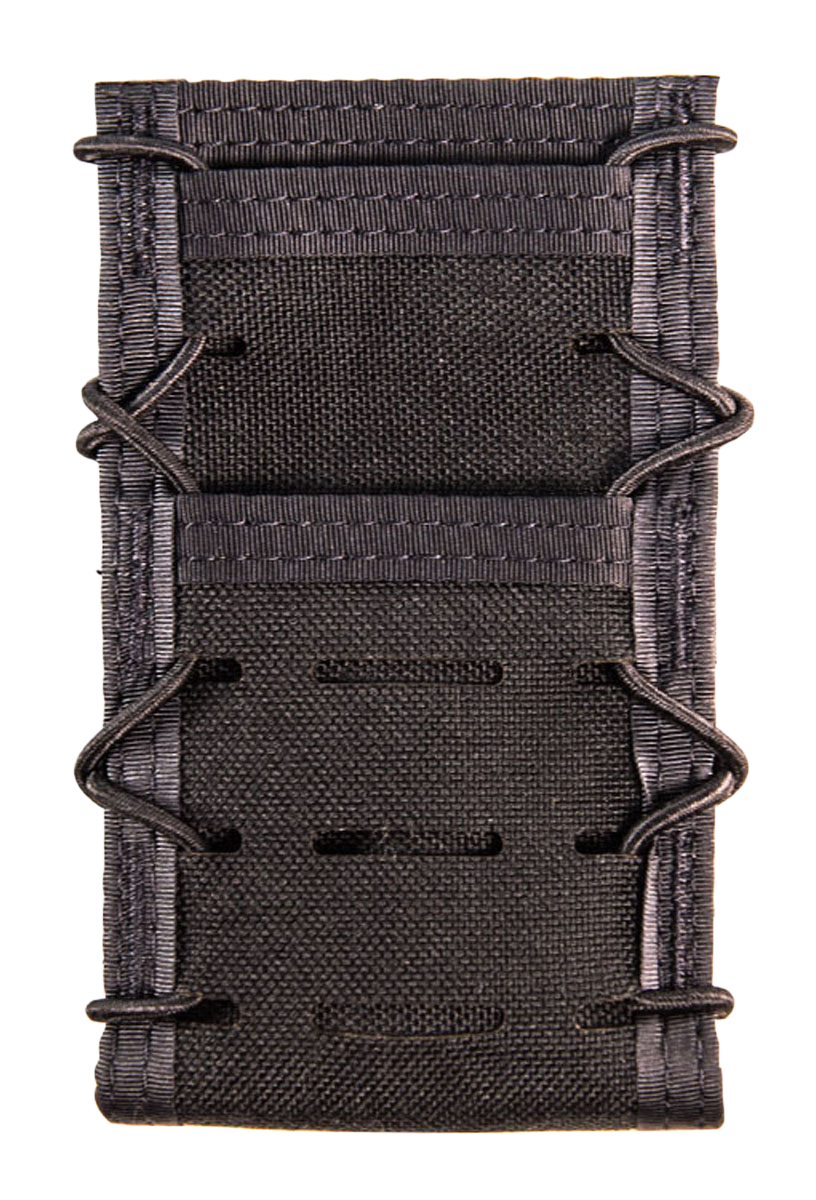
What clothing changes A slim wallet disappears only if the pocket helps it. Fabric weight, surface friction, and cut matter as much as the wallet itself. For anti-theft slim wallets, the same card loa...
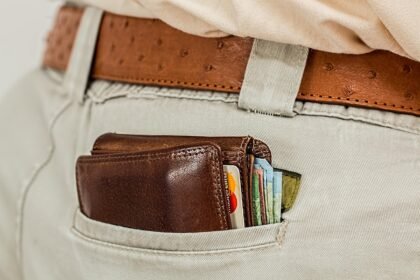
A rear-pocket wallet can offer wallet back pain relief by acting as a small shim under one side of the pelvis. That does not usually create a dramatic shift. It can raise one sitting bone and change h...

A typical sandwich-style organizer works best when keys are narrow, flat, and centered around the pivot. Odd-shaped keys break that assumption. A wide head or offset shoulder shifts mass away from the...

If you're torn between a bare clip vs slim wallet for cash-heavy everyday carry, the short answer comes down to stack size: a clip wins with a thin, disciplined bundle of notes, while a slim wall...
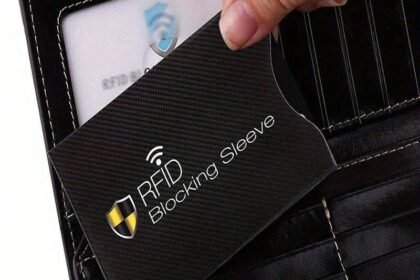
Situations where blocking adds measurable value When blockers add little value Everyday urban use—tap-to-pay cards and modern access badges—typically employ short range and dynamic cryptography, makin...
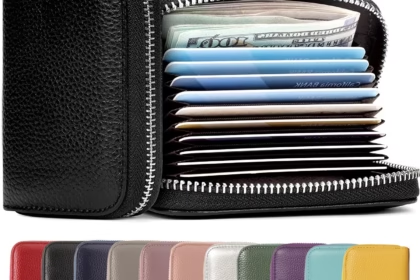
Magnetic stripe A magnetic stripe encodes card data as static patterns on three tracks. When the card is swiped, a read head senses changes in magnetic polarity. Because the data remains the same acro...

Organizers, among key organizer types, work in a predictable way. Additionally, how the keys mount, key organizer types, and whether spacers, pivots, or enclosures are present affect rotation. They al...
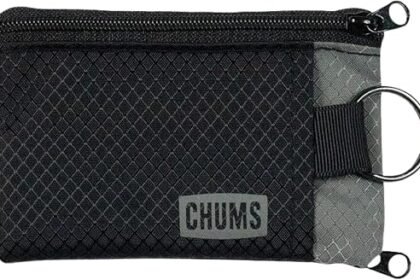
How features control bulk Slim, coin-capable wallets mix geometry and materials to hold coins without a soft, rounded bulge. For a slim wallet for coins, a gusset adds a controlled expansion zone. Whe...