

A tiny pouch is only useful if its contents work when seconds feel loud.
A black, vacuum-sealed strap with a windlass can look convincing—and still be a counterfeit, an obsolete pattern, or a poorly made copy. For everyday carry, documented design, traceable sourcing, and repeatable hardware matter more than camouflage, “combat” branding, or an impressive accessory count.
A credible extremity tourniquet also has to fit the kit it will actually live in: folded compactly, protected from grit and UV exposure, and reachable without unpacking everything. Established designs differ in windlass material, strap layout, and retention method; those are carry and handling trade-offs, not style points. Buy from a manufacturer, authorized dealer, or retailer with a clear supply chain, and inspect the labeling and construction on arrival.
- Avoid listings that use vague model names, stock-only photos, or unusually low pricing.
- Keep the device accessible rather than buried beneath routine first-aid items.

A tourniquet is a system, not a tight strap
Purpose-built limb tourniquet
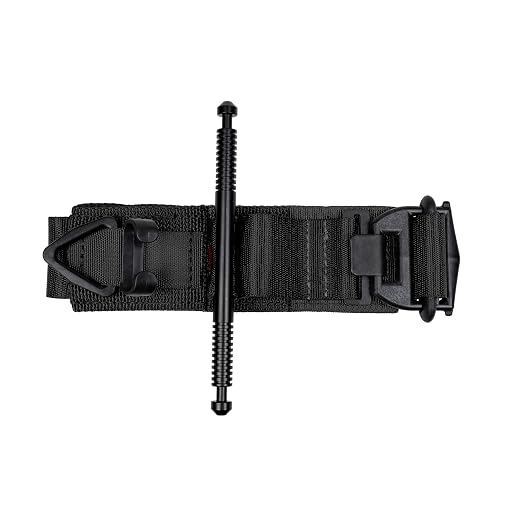
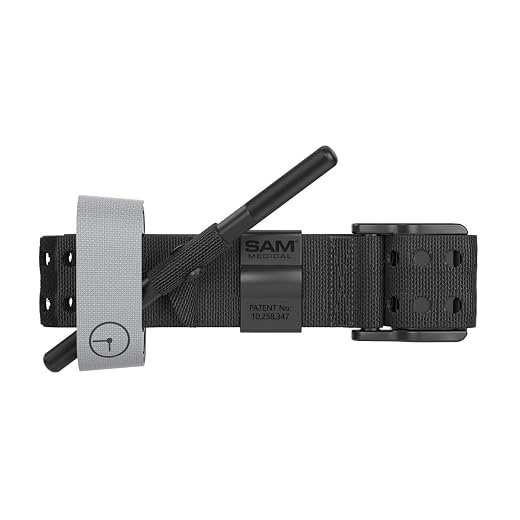
A purpose-built model combines a broad band, tensioning method, buckle, lock, and tail retention so compression can be created and held on a limb. That differs from simply pulling a strap tight.
Windlass
This rigid rod twists the band to multiply tension. A secure clip or triangular lock must capture the rod; without that lock, tension can unwind during movement.
Buckle and band
The buckle routes the band and affects one-handed application, while the band spreads force across tissue. Stitching, webbing stiffness, and buckle geometry matter as much as the rod.
Pressure dressing or elastic wrap
These apply pressure over a wound and may support packing, but ordinary versions lack a windlass-and-lock system for dependable limb occlusion. Purpose-designed elastic tourniquets are a separate category. The distinction matters when comparing everyday bleeding with life-threatening hemorrhage.
Start with the carry location
Location Comes Before Model
Understanding where to store a tourniquet
A tourniquet buried in a daypack solves a different problem than one carried on a belt, in a vehicle kit, or in a work bag. Before comparing models, define the likely setting and the hand-off between storage and use. Is its location known, reachable, and protected when clothing, posture, weather, or routine changes?
Match the package to the environment
- Pocket or belt carry: favors a slim profile, secure retention, and a carrier that does not crush or permanently deform the strap or windlass.
- Bag carry: allows a more protective pouch, but requires a fixed, clearly identifiable pocket rather than loose placement among chargers and tools.
- Vehicle or workplace kit: benefits from shielding against sunlight, heat, moisture, and abrasion; a mounted or labeled location helps preserve retrieval consistency.
- Outdoor or water-exposed carry: makes a weather-resistant outer pouch useful, provided it can still be opened quickly with cold or gloved hands.
A sealed package adds contamination and moisture protection.
An unsealed but retained device may be faster to access.
Both approaches can work well when paired with a practical, balanced setup.
Neither arrangement is universally superior.
Whichever location is chosen, it should stay in the same place until reaching it becomes automatic.
A visible, dedicated position is often more valuable than an elaborate organizer. A device that moves between bags or gets covered by routine gear can become effectively unavailable.
What separates a carry-worthy tourniquet from a dubious one
- A documented, current design
A recognizable model with a long record of field, training, and independent evaluation offers more confidence than an untraceable look-alike. Model names alone are not enough: a revised windlass, buckle, clip, or strap can change both use and compatibility.
Look forThe exact maker, model, and generation are plainly identified.AvoidListings that use a famous model name while obscuring the manufacturer or revision. - One-handed tensioning and locking
An EDC tourniquet needs a tensioning mechanism that can be operated and secured with limited dexterity. The windlass or analogous mechanism needs a positive lock that resists accidental release while moving in a pocket, pouch, or bag.
Look forA practiced one-handed sequence with a distinct, secure lock.AvoidLoose hooks, vague retention, or mechanisms dependent on a second hand to finish. - A substantial strap and durable hardware
The strap needs enough width to distribute force and enough stiffness to feed through its buckle without twisting or bunching. Inspect stitching, hook-and-loop coverage, buckle edges, windlass material, and the securing clip rather than judging durability by color or thickness alone.
Look forWide, untorn webbing; clean stitching; robust buckle and windlass components.AvoidNarrow bands, thin generic webbing, brittle plastic, or poorly finished hardware. - Clear markings and retained configuration
Legible branding, lot or generation information, and printed instructions make identity and inspection easier. A folded tourniquet also needs to stay staged: loose strap tails and exposed hook-and-loop can snag, collect debris, or turn access into an unnecessary untangling exercise.
Look forReadable identification and a compact fold that remains closed in its carrier.AvoidBlank components, illegible printing, and a bundle that works loose during ordinary carry.
Buy the supply chain, not the listing
A convincing product page does not prove the item matches the page. Tourniquets are often copied because the external shape is simple, brand names are searchable, and marketplace listings can mix genuine-looking photos with unrelated inventory. A listing may use a real model name while quietly supplying an older, altered, or unbranded version.
The useful question is not merely “Does it resemble a CAT or SOFTT-W?” but “Can this exact item be traced back to its maker?” Start with the full model name, stated generation or revision, color, and package contents. Those details should align with the manufacturer’s current catalog and with the seller’s own description.
Several signals deserve extra scrutiny:
- A price far below normal retail without a clear clearance explanation.
- Brand spelling, logos, instructions, or labels that differ between listing photos.
- Generic studio images with no photographs of the actual packaged item.
- Titles stuffed with multiple incompatible model names or phrases such as “CAT style,” “combat type,” or “equivalent.”
- No named manufacturer, importer, authorized-dealer status, return address, or support contact.
Traceable sources tend to show a specific SKU, model revision, and real inventory status. Additionally, they can identify where their stock came from — a traceable chain of custody matters.
Keep the order record and compare the received packaging, instructions, printed markings, and construction to the maker’s published images. If identity remains unclear, treating the item as unverified is more sensible than letting a bargain listing create false confidence.
Marketing language, camouflage colors, and a familiar silhouette do not identify a model. A maker, exact revision, and accountable seller do.
| Buckle & routing | Windlass retention | Carry profile | Strap character | Field familiarity | ||
|---|---|---|---|---|---|---|
|
C-A-T Gen 7 Flat, familiar carry | Single-slot routing | Clip plus retention strap | Flat; widely holder-compatible | Smooth internal band | Very widely recognized | View option |
|
SOFTT-W Gen 5 Robust hardware | Metal buckle hardware | Metal windlass system | Wider; needs more pouch room | Broad, substantial webbing | Common professional option | View option |
|
SAM XT Guided tensioning | TRUFORCE buckle lock | Metal windlass system | Shape-specific holder fit | Structured buckle routing | Less universally familiar | View option |
Make ready mean reachable
Make Storage Part of the Routine
A tourniquet buried beneath chargers, tools, and loose supplies is inventory, not ready equipment.
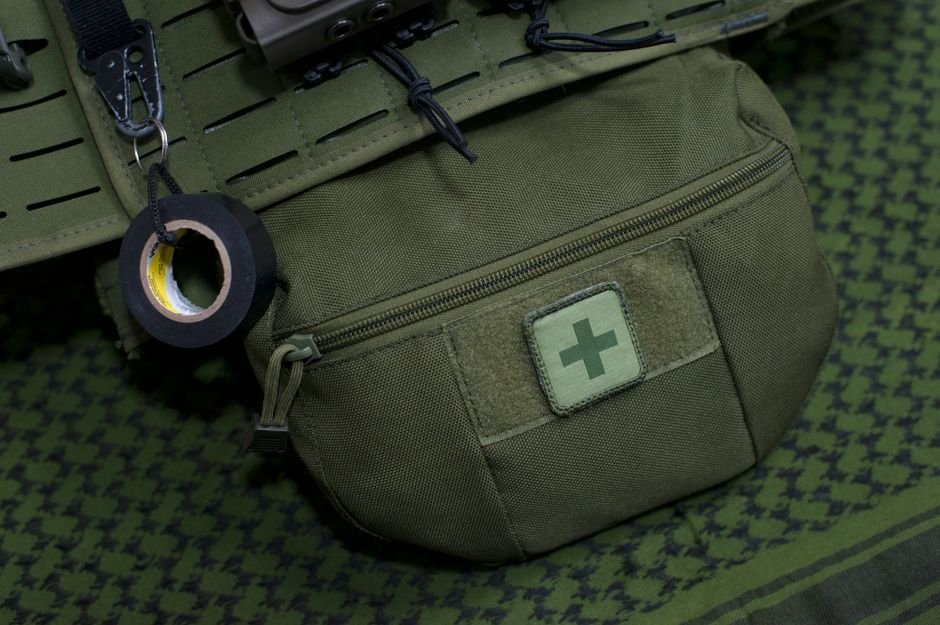
Everyday carry usually favors one of four locations: a dedicated bag pocket, an external holder, a belt-mounted carrier, or an IFAK compartment. The practical question is not which looks tidiest, but how many deliberate actions separate the carrier from the device.
Match the container to the carry
For commuters or those who carry from bag to car, a staged bag pocket protects the device.
Moreover, when the pocket stays in a consistent position and opens without unpacking, it helps.
Additionally, an external holder offers faster access but may abrade rain and sun.
However, retention should keep it secure without a fight to draw it.
Furthermore, belt mounts can be accessible, though seatbelts, jackets, and sitting comfort often dictate use.
Finally, an IFAK keeps components together, but its internal layout still matters — a disorganized IFAK can slow access as much as a buried pocket.
For packing trauma gear into a pocket kit, a slim, protected package may be more realistic than a bulky holder. Factory packaging offers provenance, contamination protection, and model identification. Pre-staging—removing outer retail wrap and arranging the device for deployment—can reduce access steps, but it also removes some protection and makes periodic inspection more important.
Whatever location is selected, it benefits from a repeatable orientation: pull tab outward, no gear stacked over it, and no zipper, buckle, or elastic loop that blocks the primary grab point.
A well-made tourniquet in an awkward pouch is not meaningfully more available than one left at home. Test access while seated, wearing usual outer layers, and carrying the bag as it is actually used.
Inspect the item, not just the package
A sealed wrapper is not proof of authenticity or readiness. On arrival, compare the item with the manufacturer’s current photos and instructions, then inspect it under good light. This is a condition and completeness check, not a medical-performance test.
Look for:
- Clean, flexible webbing with no cuts, glazing, frayed edges, mildew, oil residue, or permanent creases
- Intact stitching, straight bar tacks, and no loose thread around load-bearing joins
- A windlass, buckle, clip, and retention hardware free of cracks, sharp molding flash, corrosion, or unusual looseness
- Readable model, manufacturer, lot, or production markings where that design normally carries them
- All original components, instructions, and packaging elements expected for the specific model
Treat uncertain history as a risk factor
Used, surplus, loose, and training-marked items bring extra unknowns: ultraviolet exposure, heat, chemical contact, repeated practice cycles, missing parts, or mixed components. A tourniquet removed from its original packaging is not automatically unsuitable, but its storage history is harder to establish. Training units may also be deliberately marked, worn, or configured differently from carry stock.
If hardware is damaged, markings conflict, or the construction differs from documented examples, treating the item as questionable is more sensible than trying to diagnose it from photos alone.
A visual check can catch damage and mismatched parts. It cannot confirm material strength, counterfeit status, or performance under load.
One real option beats several questionable ones
A small budget can tempt buyers into scattering bargain tourniquets through a glove box, backpack, and desk drawer. That creates the appearance of coverage while multiplying uncertainty: each item may be unverified, degraded, inaccessible, or unfamiliar when it matters.
A single, verified option offers a more credible starting point. Use a genuine, identifiable tourniquet from an accountable source, kept in a known, accessible location. The goal is not an impressive item count; it is confidence that a specific item is present, intact, and recognizable.
That purchase also sits within a wider readiness picture. A tourniquet addresses a narrow problem, not every injury, and it does not turn a loose collection of supplies into a coherent trauma kit. Storage conditions, replacement dates, basic familiarity with the item, and the ability to locate other relevant supplies all affect practical preparedness.
When funds later allow, expanding from that verified baseline is easier than replacing a drawer full of doubtful purchases. Authenticity and access are durable value; quantity is not.
A carry-ready purchase checklist
-
Name the location first
Choose the body, bag, vehicle, or workplace position it will occupy, then confirm the pouch or retention method leaves it reachable without unpacking other gear.
-
Match an exact current model
Record the manufacturer, full model name, and current revision rather than relying on a broad product label or a familiar-looking photograph.
-
Use a traceable seller
Prefer a seller with a clear business identity, stated sourcing, and a workable route for returns or authenticity questions.
-
Inspect it on arrival
Check seals, instructions, markings, strap condition, hardware, and the absence of unexplained wear. Set aside anything questionable rather than folding it into daily carry.
-
Keep access and care simple
Store it in a consistent orientation, protect it from avoidable damage, and follow the manufacturer’s storage, inspection, and replacement guidance.
Qualified first-aid education adds the judgment, scene awareness, and practical context that no product listing can supply.
Choosing a Tourniquet: Common Questions
How can I tell if a tourniquet listing is fake or counterfeit?
Watch for a price far below normal retail without a clear explanation, brand spelling or logos that differ between listing photos, generic studio images with no photos of the actual packaged item, titles stuffed with multiple incompatible model names, and no named manufacturer, importer, or support contact. Traceable sellers show a specific SKU, model revision, and real inventory status.
Is a pressure dressing the same as a tourniquet?
No. A pressure dressing applies pressure over a wound and may support packing, but ordinary versions lack a windlass-and-lock system for dependable limb occlusion. Purpose-built tourniquets and pressure dressings serve different mechanical jobs and are not interchangeable.
Does a wider band always mean a better tourniquet?
Not by itself. Band width interacts with the whole design, limb size, routing, and tensioning mechanism. A wide band without an effective tightening and locking system isn’t automatically more capable.
Where's the best place to carry an EDC tourniquet?
It depends on the setup: a staged bag pocket suits commuters or vehicle-to-office carry, an external holder offers faster access but more exposure, belt mounts can be accessible if clothing and seating allow it, and an IFAK keeps components together if its internal layout stays organized. The key factor is how many deliberate actions separate the carrier from the device.
Is it better to buy several cheap tourniquets or one verified one?
One verified, traceable tourniquet from an accountable source is more dependable than several bargain units scattered across a glove box, backpack, and desk drawer. Multiple unverified purchases create the appearance of coverage while multiplying uncertainty about condition and authenticity.
Buy with a plan, carry with intent
- A recognizable model is only useful when its origin and condition are credible.
- A protected item that cannot be reached promptly is not truly ready.
Everyday carry is less about collecting emergency gear than building a dependable chain: a recognized current model, a traceable source, a careful inspection, and a known location. Training provides the context that turns equipment familiarity into more informed action.
C-A-T® Gen 7: The World's Leading Prehospital Field Tourniquet
TacMed Solutions SOF Tourniquet Gen 5 | Overview
How To Apply A SAM XT Tourniquet: Demonstrations and Detail Close-ups, By Nurse Amy
North American Rescue C-A-T Combat Application Tourniquet NAR Genuine GEN 7 | Safest, Most Effective Prehospital Field Tourniquet. Controls Life-Threatening...
(Generation 5) - Black, Military-Grade Tourniquet for Severe Bleeding Control, Essential First Aid for Tactical, Emergency, and Civilian Use, TacMed Solutions
Features
| Product Dimensions | 5 x 2 x 2 inches |
| Item Weight | 3.2 ounces |
| Manufacturer | SOFTT-W |
| ASIN | B003YDSO1W |
| Item model number | XMS S7 |
| National Stock Number | 6515-01-587-9943 |
| Date First Available | August 4, 2010 |
- Patented & Battle-Tested Design: Trusted by elite military forces and first responders worldwide, this tourniquet has proven its effectiveness in real-world combat and emergency situations, ensuring dependable performance when it matters most.
- Rapid, One-Handed Application: Engineered for swift, single-handed use, this tourniquet allows individuals to quickly control severe bleeding, even under extreme pressure, saving crucial time in life-threatening scenarios.
- Proven strength and durability: Constructed with high-strength, abrasion-resistant materials that withstand tears and harsh weather conditions, this tourniquet is built to endure the toughest environments.
- Versatile & Compact: Designed for tactical, medical, and civilian use, it offers essential bleeding control in a lightweight, easy-to-carry form factor, fitting seamlessly in first aid kits or for on-person carry.
- 100% ANSI Compliant & American-Made: Meets the highest standards for safety and reliability, proudly manufactured in the USA for unmatched quality and peace of mind.



16 Comments
Thank you for mentioning education at the end instead of making the purchase sound like the finish line. Carrying something without knowing when and how it is used feels a bit like buying a fire extinguisher solely because it matches the kitchen.
Could you clarify what “staged retention” means in practical terms? Is that the part that keeps the windlass from popping out after it has been locked, or is it about how the strap is routed before tightening?
I’m comparing two established designs and their holders look totally different, which had me assuming one was automatically better.
In this context, staged retention generally means the design provides more than one meaningful way to keep the tightened system controlled: secure routing/tension, a proper windlass lock, and retention that helps keep the windlass from backing out or flopping loose. The exact implementation differs by model. A holder is not automatically better because it looks more secure; it needs to protect the device while still allowing a repeatable, fast draw in your chosen carry position.
This tripped me up too. I bought a rigid holder that looked fantastic, then realized it was awkward on my belt and I kept moving it. A less dramatic setup that stays in the same place has been better for me.
For everyday purse carry, would you prioritize a fully enclosed pouch over being able to grab it instantly? My purse gets tossed under seats and into shopping carts, so I worry about damage, but I also don’t want a little zipper obstacle in an emergency.
That is exactly the trade-off to think through. For a purse that gets knocked around, modest protection is useful, but the closure should be simple and practiced—something you can open consistently without searching or using tiny fiddly hardware. Pick one fixed pocket or holder location and periodically check that the tourniquet has not shifted, been crushed, or become buried under everything else.
I get the anti-junk message, although it would have helped to say more about price. Some people hear “established” and assume they have to buy the most expensive tactical-looking setup with a giant MOLLE pouch attached. That seems opposite of the carry advice here.
My main takeaway: stop treating the packaging like a certificate of authenticity. Counterfeiters can print boxes too. Slightly depressing, but fair 😅
What counts as “one-handed locking” for a civilian buyer? I’m right-handed, but I’d want to be able to use the device if my dominant arm were injured. Is that something you can reasonably test without turning a new unit into a training item?
A credible design should let a person apply and secure it one-handed when needed, but learning that skill requires qualified hands-on training rather than experimenting on yourself from an article. Avoid repeatedly drilling with the exact item you intend to carry if the manufacturer treats it as a single-use medical device or if practice could wear it. Many people keep a separate, clearly marked training unit and reserve their carry item for inspection and real use.
This was a useful reality check. I was about to buy a cheap two-pack online for the car and another for my bag, but “one real option beats several questionable ones” makes a lot more sense.
When you say traceable model identity, is a lot number on the packaging enough, or should the actual tourniquet itself have markings too?
Ideally, look for both. Packaging should identify the manufacturer and exact model, while the device itself should have clear, durable markings appropriate to that model. A lot number can help with traceability, but it is not a magic authenticity stamp by itself—compare the item and packaging with the manufacturer’s current information and buy from an accountable seller.
Is it a bad idea to keep one in the glove box? The article makes fixed placement sound important, which I can do, but summer heat and winter cold are pretty extreme where I live.
Also, glove boxes are basically the place receipts go to die, so I’d need to be disciplined about keeping it reachable.
A fixed glove-box location can be better than having nothing, provided it stays reachable and you inspect it regularly. The important next step is to follow the specific manufacturer’s storage guidance for heat, cold, sunlight, moisture, and replacement expectations; vehicles can be harsh environments. A dedicated, uncluttered position is much more useful than letting it disappear beneath papers and tools.
I appreciate the distinction between a tourniquet and a strap. It sounds obvious after reading it, yet a surprising number of listings seem to imply that any wide nylon strap with a buckle is somehow medical gear.
The part about exact model revisions is intimidating. If a seller uses the correct product name but the photos show an older revision, should that be an automatic pass? I’m not trying to become a counterfeit detective just to buy basic emergency gear.