
No universal kit can compensate for an unsafe or unsupported cleaning procedure. Before selecting rods, cables, brushes, or solvents, the owner’s manual establishes the sequence: verify the firearm is...

Your Everyday Carry Load Out Starts Here
No universal kit can compensate for an unsafe or unsupported cleaning procedure. Before selecting rods, cables, brushes, or solvents, the owner’s manual establishes the sequence: verify the firearm is...

Choosing a non-toxic gun cleaner mostly comes down to what’s actually on the bench that day — loose carbon around the bolt face, oily powder grime in the action, and fresh bore fouling all respo...
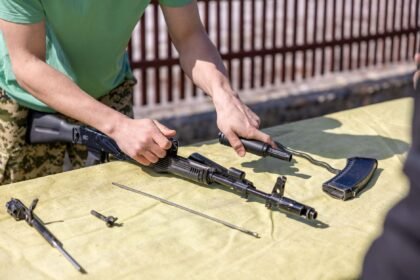
Learning how to safely remove carbon buildup from a gun protects both accuracy and reliability, since carbon fouling in the barrel and action is the most common cause of feeding issues and degraded pr...
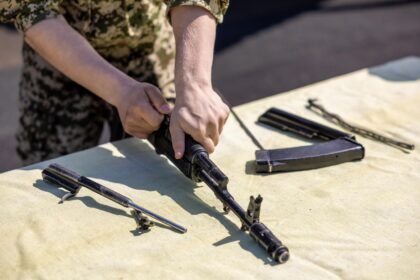
Knowing how much gun oil to use comes down to one small drop wiped into a thin, barely visible film on each moving contact point, not a wet, glossy coat across the whole action. Before applying lubric...
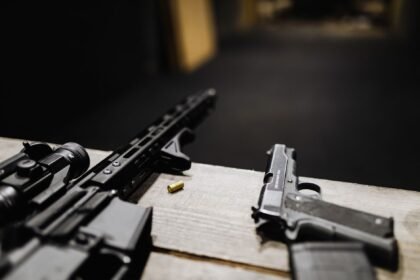
As a starting point, most centerfire pistols and rifles hold up fine on a quick wipe-down after light use, with a standard cleaning every few hundred rounds. Rimfires and suppressed guns need a shorte...
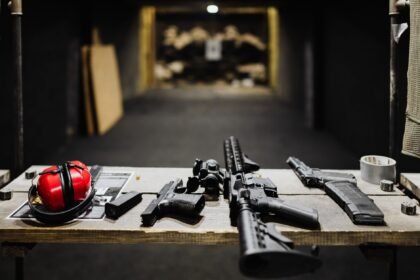
A beginner’s cleaning setup usually fails from the work area, not from a missing bottle or brush. Small parts roll away, dirty patches touch clean components, and weak light hides carbon, copper fouli...