
The best hearing protection is the pair that stays sealed, usable, and on all day.
A range officer calls a cease-fire just as a neighboring rifle sends a sharp blast down the line: protection must cut the report without turning speech and surroundings into a blur. Electronic muffs use microphones and level-dependent circuitry to pass quieter sound while clamping down on peaks; passive muffs rely entirely on cup mass, foam, and a reliable seal.
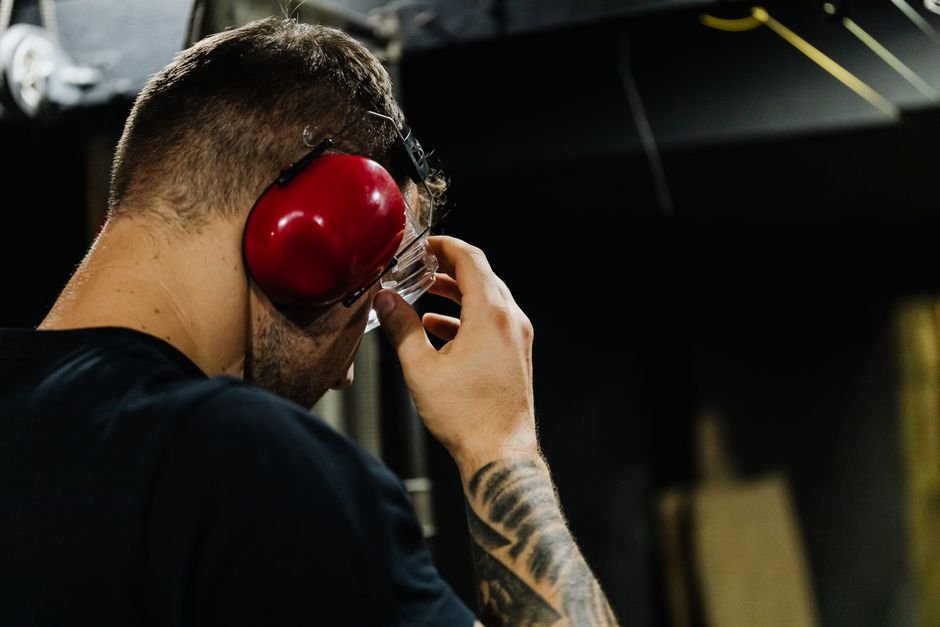
That distinction matters less than the conditions around it. A high cheek weld can break the seal of bulky cups, especially with rifles or shotguns. Outdoor bays reward awareness of commands and movement; enclosed lanes and short-barreled firearms place a heavier premium on attenuation. Glasses temples, hat brims, long hair, battery condition, microphone wind noise, and the ability to communicate with companions all shape the practical choice. Fit and seal come before the price tag.
Choose by what must remain audible

The Seal Does the Protecting
Passive attenuation
Passive attenuation is the sound reduction created by the earcups, internal foam, and cushions pressing evenly around the ears. It is the foundation of all hearing protection used for shooting, whether the muffs contain electronics or not.
Electronic protection
Electronic muffs retain that physical barrier but add microphones, amplifiers, and level-dependent circuitry. Quiet sounds can be relayed for conversation or range commands; sharp impulse noise is limited before it reaches the speakers.
The seal is non-negotiable
Circuitry does not block gunfire in place of the cups. A cushion lifted by eyeglass arms, hair, a hat brim, or an awkward rifle stock can create a leak that materially reduces real-world attenuation.
Managed ambient audio
Electronic models do not simply make everything louder. Their useful advantage is controlled awareness: low-level sound is amplified within limits, while loud reports trigger compression or shutoff behavior. The response can sound natural or abrupt depending on the design.
Fit before features
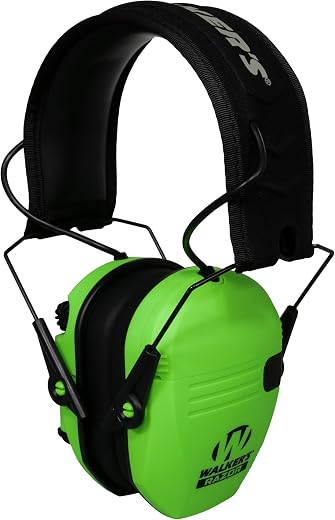
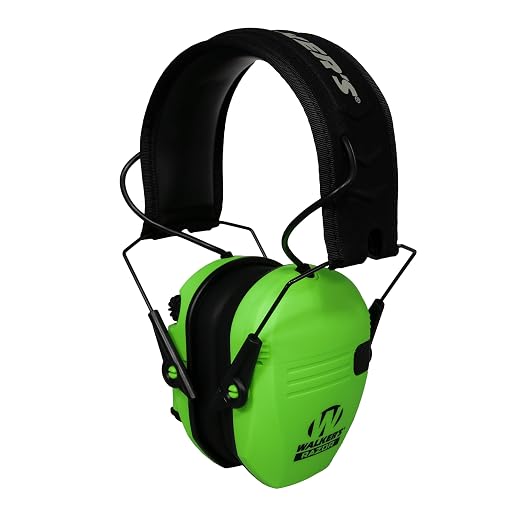
A passive model such as Vanderfields and an electronic model such as Walker’s Razor Slim both depend first on cushion condition, headband tension, and cup placement. Electronics add capability after a reliable physical seal is established.
| Electronic awareness Walker's Razor Slim Electronic Shooting Earmuffs | VS | Passive simplicity Vanderfields Passive Noise Reduction Shooting Earmuffs |
|---|---|---|
Amplified, then compressed | Ambient sound |
Blocked continuously |
Two AAA batteries | Power |
No batteries |
23 dB | Published NRR |
20 dB |
Volume knob, audio jack | Controls |
No electronic controls |
Batteries, more circuitry | Ongoing cost |
Lower-complexity design |
| View | View |
NRR is measured under defined test conditions. At the range, attenuation can fall when glasses break the cushion seal, hair catches under the cup, the headband is loose, or cheek weld shifts the muff. The number also compresses a complex noise spectrum into one figure; it does not describe every frequency or every indoor reverberation pattern.
Electronic muffs add awareness and speech audibility by amplifying microphones until a loud impulse triggers compression or limiting. Their protection still depends on the cup, cushion, and seal—not the electronics. Passive muffs avoid batteries, controls, and electronic failure points, but they cannot pass through conversation or range commands.
Slim cups are especially valuable for rifle shooters needing low-profile earmuffs, because they reduce contact with the stock and preserve a repeatable cheek weld. That geometry can be a compromise in high-volume indoor shooting, where reflected blast and long sessions often make seal quality, cup depth, and comfort more consequential than a slim profile. Weather, sweat, and repeated battery-door use also favor simpler designs from a durability standpoint.
Walker’s Razor Slim for awareness between shots
Best for slim, feature-rich electronic hearing protection
Walker’s Razor Slim is built around a useful electronic-muff proposition: keep ordinary conversation, range commands, and field sounds present, then compress sharp impulse noise. Its thin cups also make it a natural fit where cheek weld and stock clearance matter. That makes it especially relevant to instructors moving between students, group shooters sharing a firing line, and hunters facing long quiet stretches punctuated by sudden shots. For a direct alternative in fit and audio priorities, see Howard Leight versus Walker Razor.
- Slim cups reduce stock interference
- Ambient audio supports conversation
- Two omnidirectional microphones
- External battery door simplifies swaps
- 3.5 mm audio jack
- 23 dB NRR may be modest for harsh indoor noise
- Requires two AAA batteries
- Wind can intrude through microphones
- Compressed sound is not fully natural acoustic hearing
In brief The Razor Slim earns its appeal when awareness is part of the activity, rather than an optional extra. Its convenience depends on accepting electronic behavior and upkeep.
An awareness-first choice, not a passive-muff replacement. The adjustable electronics can make commands and conversation easier to follow through changing range activity, while the slim geometry helps around rifle stocks.
The compromise is operational: batteries can run down, a volume control can be bumped or set poorly, microphones can make wind conspicuous, and sound compression has a processed character. More circuitry also creates more potential failure points than a passive design. Its 23 dB NRR deserves particular context where sustained indoor reverberation is severe.
Vanderfields for no-battery range readiness
Affordable passive protection for shooting and everyday noise
Vanderfields is a conventional passive earmuff built around foam, cup volume, and a headband seal rather than microphones or amplification. It suits shooters who want a spare set that can sit in a range bag indefinitely and work the moment it is worn.
Its stated 20 dB noise reduction places the focus on basic, predictable attenuation for occasional range use and other loud tasks—not on hearing voices, commands, or the range environment through the cups.
- No batteries, controls, or electronic failure points
- Useful low-cost spare or guest gear
- Passive design is immediately familiar
- Also suited to mowing and noisy chores
- Conversation and commands are muffled
- No amplified ambient awareness
- A 20 dB claim is modest for demanding indoor use
- Fit and seal still determine real-world results
Vanderfields makes sense as affordable, battery-free protection when immediate availability matters more than hearing the environment between shots. It is a practical spare-pair choice, provided users accept that passive cups reduce speech clarity along with unwanted sound.
For busy ranges, that limitation changes behavior: instructions and cease-fire calls may need visual confirmation or direct, close-range communication.
Inspect the seal before trusting the rating
-
Confirm full ear coverage
Each cup should surround the entire outer ear without folding the pinna. Check that the cushion sits on skin rather than hair, hat fabric, or the edge of the ear.
-
Judge clamp over time
Wear the muffs for 10–15 minutes, with the headband centered. Firm, even pressure helps the seal; painful hot spots often lead to loosening or removal mid-session.
-
Mount a firearm safely
With an unloaded firearm in a safe setting, take the normal cheek weld and shoulder position. The cup should not strike the stock, push upward, or break contact as the head settles behind the sights.
-
Inspect the eyewear gap
Glasses temples commonly create the leak that undermines an otherwise good fit. This matters especially when comparing shooting earmuffs that remain comfortable with glasses; thin, straight temples usually disturb cushions less than bulky frames.
-
Repeat after moving
Turn the head, look down, and reset the muffs after a few mounts. A model worn consistently with an intact seal is the stronger practical choice than one with a higher headline NRR.
Match the muff to the day
Outdoor Ranges Favor Electronic Awareness
An active outdoor range, class, or social shooting day favors the Walker’s Razor Slim when spoken commands matter.
Cease-fire calls and conversation matter too.
Its slim profile helps where a rifle stock sits against the cheek. Wind can make amplified ambiance less pleasant.
Indoor Ranges Put Seal Quality First
For an indoor range, reflected blast makes seal quality the first concern.
High round counts reinforce that concern.
Additionally, neither listed rating replaces a good fit.
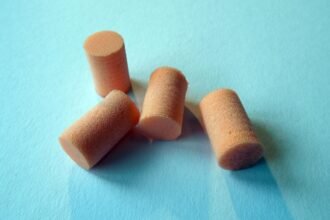
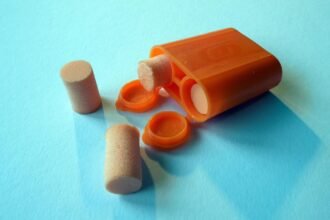
Some shooters may prefer adding properly fitted earplugs beneath muffs when range rules and personal setup allow.
Electronic features remain useful for commands, but they do not add protection when the cups leak around glasses.
Earmuff Options for Shooting
The Vanderfields passive muffs fit infrequent visits, loaner bags, and minimalist kits. They require no batteries to check, no controls to set, and little maintenance beyond cleaning cushions and inspecting the headband. This simplicity suits occasional shooters who want reliable gear without extra features.
Passive muffs like the Vanderfields pair remain a sound minimalist choice. They stay lightweight and simple, ready for quick deployment. This makes them a dependable option when space is tight. In practice, the absence of electronics reduces failure risk and lowers maintenance demands over time.
Hunting Days and Weather Considerations
For hunting or windy weather, the choice turns on tolerance for reduced natural hearing versus microphone wind noise. However, electronic muffs preserve more environmental detail. Additionally, passive muffs remove one weather-sensitive variable. In rain, dust, or long storage, keeping either pair dry and replacing worn cushions protects the seal.
Frequently Asked Questions
What's the real difference between electronic and passive earmuffs for shooting?
Passive muffs rely entirely on cup mass, foam, and a reliable seal to block sound. Electronic muffs keep that same physical barrier but add microphones and level-dependent circuitry that pass through quieter sounds like conversation and range commands while clamping down on sharp impulse noise.
Do electronic earmuffs protect hearing better than passive ones?
Not automatically. A published NRR rating is a laboratory result, not a personal guarantee, and electronic circuitry does not block gunfire in place of the cups — protection still depends on the cup, cushion, and seal. A passive model with a solid seal can outperform an electronic model that’s leaking around glasses or hair.
How much do glasses affect earmuff protection?
Significantly. Glasses temples commonly create the leak that undermines an otherwise good fit, since a cushion lifted by eyeglass arms can materially reduce real-world attenuation. Thin, straight temples usually disturb cushions less than bulky frames.
Are electronic earmuffs a good choice for indoor ranges?
They can be, but seal quality becomes the first concern indoors because reflected blast and high round counts add up. Walker’s Razor Slim’s 23 dB NRR may be modest for harsh indoor noise, so a consistent seal matters even more than it does outdoors.
What's a good backup or budget option for hearing protection?
A passive set like the Vanderfields muffs works well as a spare. They require no batteries or controls, so they can sit in a range bag indefinitely and work the moment they’re worn — useful if a battery dies or electronic gear is forgotten before a range day.
Choose the Trade-Off Deliberately
- A published NRR is only meaningful when the cups maintain a continuous seal.
- A spare set of passive muffs can keep a dead battery or forgotten gear from becoming a no-protection day.
Electronic muffs exchange uncomplicated operation for the ability to hear speech, commands, and the range between shots. Passive muffs give up that awareness for battery-free dependability and fewer things to manage. Neither advantage matters if the cups shift, leak around eyewear, or interfere with a consistent stock weld.
Before buying, check the intended eyewear, shoulder the relevant long gun to confirm cup clearance, and assess whether batteries, spares, and charging habits suit an electronic model. Keep hearing protection packed before leaving for the range; the best option is the one that arrives, fits securely, and stays on.
Walker's Razor Slim Ultra Low Profile Compact Design Adjustable Range Shooting Hunting Hearing Protection Electronic Earmuffs, Viz Green
Features
| ブランド名 | Walker's |
| 商品の重量 | 1.08 ポンド |
| UPC | 813628004677 |
| ユニット数 | 1 個 |
| GTIN Global Trade Identification Number | 00813628004677 |
| お客様の年齢層 | 大人 |
| 同梱商品 | 説明を参照してください。 |
| 商品種別 | ハンティングイヤーマフ。 |
| メーカー名 | GSM LLC |
| 型番 | GWP-RSEM |
| メーカー型番 | GWP-RSEM-HVG |
| Amazon 売れ筋ランキング | 産業・研究開発用品 - 18,722位 (産業・研究開発用品の売れ筋ランキングを見る) 安全イヤーマフ - 51位 |
| ASIN | B092KSZ8BQ |
| おすすめ度 | 4.6 5つ星のうち4.6 (96) 5つ星のうち4.6 |
| 騒音低減率NRR | 23 デシベル |
| 単一数値評価SNR | 23 デシベル |
| ノイズ制御 | 遮音 |
| 留め具の種類 | プルオン。 |
| サイズ感 | ポジティブ |
| フィットタイプ | インイヤー。 |
| 商品の重量 | 1.08 ポンド |
| 商品本体サイズ | 26.7 x 20.3 x 10.2 cm |
| カラー | スリム電子 - Hi Viz Green。 |
| パターン | Hi Viz Green。 |
| スタイル名 | カジュアル |
| 素材 | プラスチック |
| 衣服サイズの国 | 日本 |
| サイズ | Free Size |
- 聴覚を保護します - Walker's Razorイヤーマフは、超薄型デザインで、非常にスリムなイヤーカップでしっかりとフィットします。これらのイヤーマフは、危険なノイズから保護しながら、周囲のあらゆることがはっきりと聞こえます。
- 音増幅 - Walker's Razorイヤーマフは、2つのハイゲインマイクを使用して安全な音を増幅し、クリアな全方向性の聴覚を提供します。ローエンドの周波数が強化され、正確で自然なサウンドを生み出します。
- 頑丈なデザイン - このマフはゴム引きコーティングを施した頑丈なデザインが特徴で、内部の電子機器への損傷を防ぎます。ハウジングは防音複合材で作られています。ヘッドバンドはパッド入りの金属ワイヤーフレームです。
- 使いやすいコントロール - このマフの外側にボリュームコントロールノブがあり、わずかに凹んでいます - 使いやすいコントロールを提供することと、誤って音量を調整するのを防ぐ完璧なバランスです。バッテリードアも外側から開きます。
- 音楽を聴く - このイヤーマフにはオーディオ入力ジャックが付いており、携帯電話やその他のお気に入りの音源を差し込むことができます。これらのイヤーマフを聴覚保護付きのヘッドフォンセットに効果的に変換します。


11 Comments
I bought slim electronic muffs expecting a miracle and was mildly annoyed that they didn’t make every conversation crystal clear. Processed audio is still processed audio, especially around constant ventilation fans.
That said, hearing “range cold” without lifting a cup is a real safety/convenience win. For my occasional range trips, I’d rather manage batteries than keep pulling passive muffs off to understand people.
The stock-clearance point is the one people skip over. My old bulky muffs would get nudged by my cheek weld on a shotgun, and I never really thought about what that did to the seal until I started noticing the blast felt harsher.
I’d choose the Razor Slim for clays or a class where instructions matter, assuming I bring spare batteries. For a basic occasional pistol outing, the passive pair seems like the less fussy choice. Which one did you end up choosing for your own range days?
I tend to use electronic slim muffs when I expect instruction, movement, or frequent communication, and passive muffs as a simple backup or for short, straightforward sessions. Your cheek-weld observation is important: a cup that shifts even slightly can undermine the protection more than the package rating suggests.
I picked the Vanderfields for the range bag because they’re always ready. No dead battery surprise after they’ve been sitting in the trunk for months. Conversations are definitely more of a “what?” situation though 😅
The article is right that electronics can’t magically fix a bad seal. I wear fairly thick temple safety glasses and have had muffs sound “fine” until someone fires beside me… then you realize the glasses are making a tiny tunnel straight in. Not a brand problem, just physics.
Maybe I’m the odd one out, but wind noise on electronic muffs drives me nuts during outdoor matches. It’s like wearing two tiny seashells during a storm. The Walker’s still seems better if you need to hear commands, but passive is calmer for a windy bench day.
Same. I like electronic muffs for classes, but on a windy outdoor rifle range I usually turn the amplification down a lot. At that point the passive set starts looking pretty appealing.
This is a refreshingly non-salesy comparison. People argue electronic versus passive as if one is universally “better,” when it really comes down to whether you need commands and ambient awareness or just want something dependable in every bag.
I keep passive muffs in the car and electronic ones in the training tote. Spare batteries live in the same little case as my earplugs—learned that lesson the hard way.
That is a practical setup. A passive pair is a useful no-power fallback, while keeping batteries and plugs with the electronic set removes much of the usual failure point. Separating the gear by use case also makes it easier to grab the right option without overthinking it at the range.
I shoot mostly at an indoor public range, and the 23 dB vs 20 dB numbers make me hesitate on both of these. The electronic awareness of the Razor Slim sounds useful when the RSO is calling a cease-fire, but reflected rifle noise indoors is no joke.
Would you lean Walker’s with plugs underneath, or is that defeating the point of buying electronic muffs?
For an indoor range, doubling up with foam plugs under either muff is a very sensible approach, especially around rifles or busy lanes. It does not defeat the purpose of the Walker’s: you can still retain some amplified speech and range cues between shots, although voices may need to be closer or louder. The key is to keep the muffs sealed over the plugs and check that your eyewear is not creating a gap.