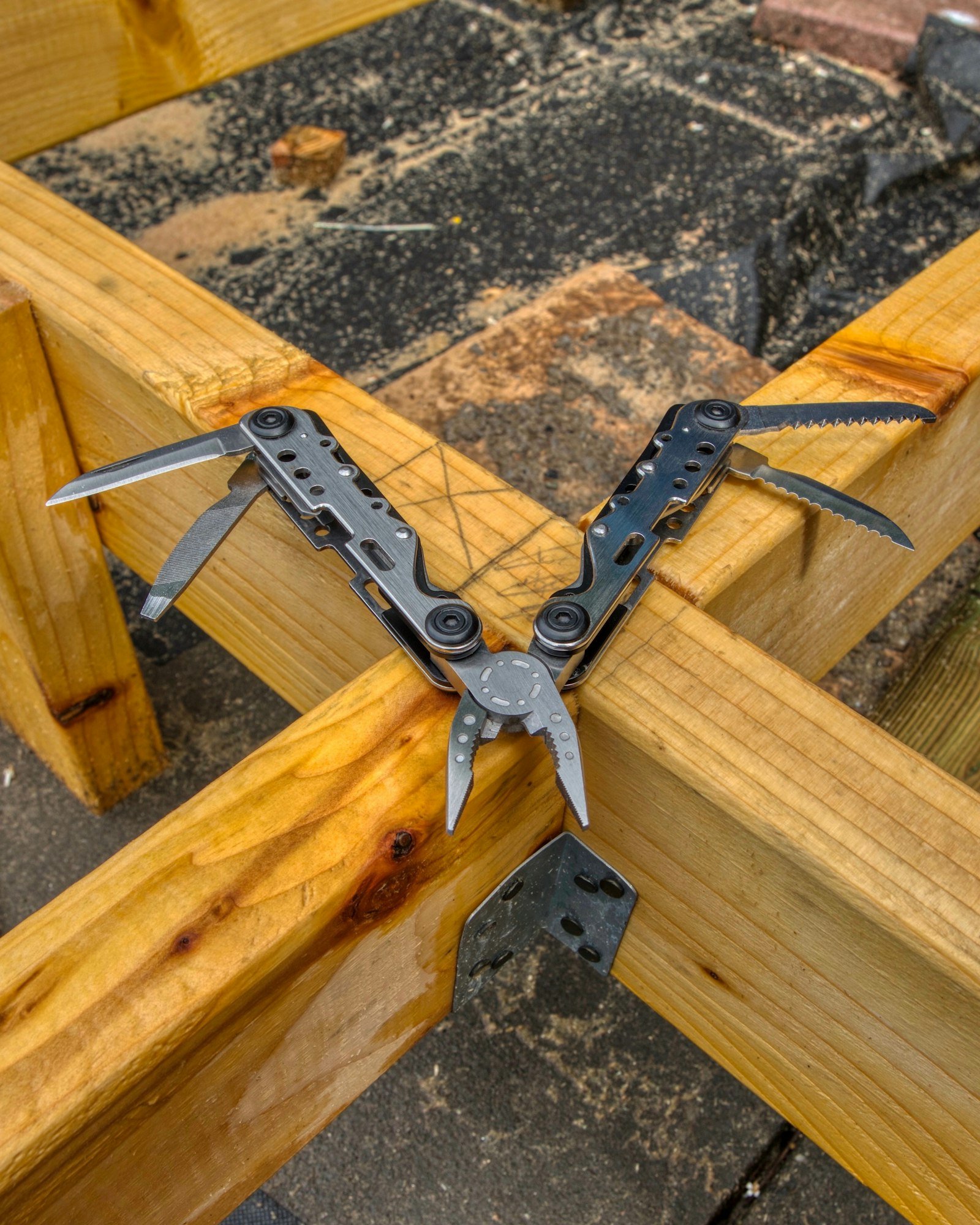
A return spring matters most when the pliers become a work tool, not an insurance policy.
After the twentieth cable tie, wire end, or small fastener, manually reopening plier jaws starts to feel like wasted motion. A spring returns the handles after each squeeze, allowing a steadier one-handed rhythm and reducing repeated finger repositioning. That advantage is most noticeable during electrical work, assembly, fishing, and maintenance tasks involving many short grip-and-release cycles.
The trade-off is added complexity. Depending on the design, the spring introduces another part that can collect debris, lose tension, or require cleaning, and spring-loaded models represent only part of the multitool market. For occasional roadside fixes or emergency-kit duty, the time and effort saved may be negligible. In that case, jaw geometry, cutter design, tool access, and overall reliability may deserve higher priority. The practical test is frequency: if pliers are used repeatedly in a typical session, spring action is worth weighting heavily; if they are rarely opened, it is better treated as a bonus.
What “spring-loaded” actually means
Spring-loaded pliers
The jaws reopen automatically when grip pressure is released, preparing the tool for another squeeze.
Assisted-opening blade
A separate mechanism helps move a knife blade after opening begins. It does not make the plier jaws self-return.
Loose pivot
Low pivot friction may let handles move freely, but it does not actively push them apart.
Return spring
The component that stores energy during a squeeze and releases it to reopen the handles and jaws.
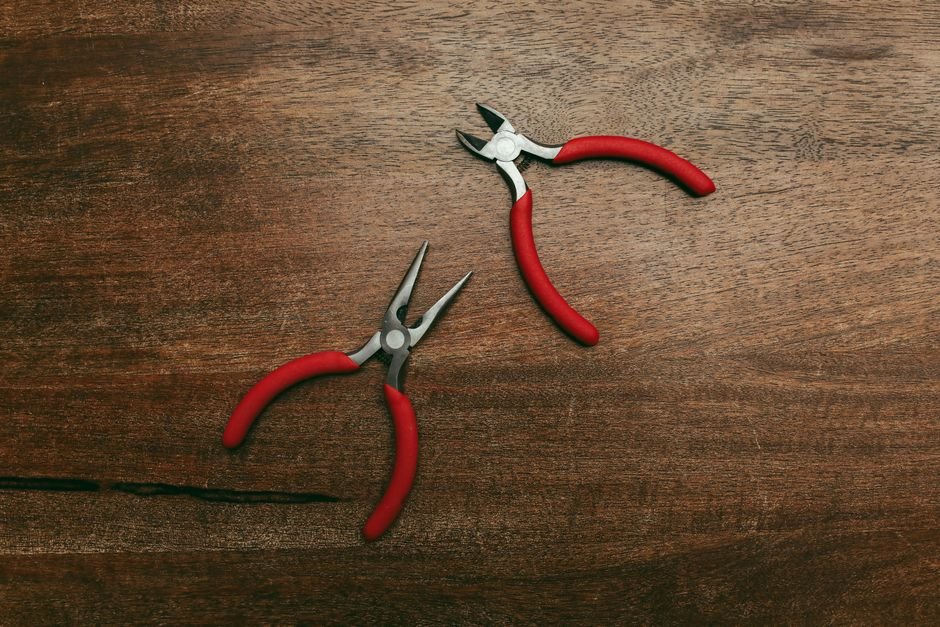
The mechanism changes the feel
Common designs create noticeably different trade-offs:
- Leaf springs flex between the handles. They are mechanically simple and can allow broad travel, but exposed leaves may collect debris or bend if overstressed. Replaceable versions are easier to service than springs built permanently into the tool.
- Torsion springs sit near the pivot and provide a compact, controlled return. Their enclosed placement may offer protection, although replacement can require substantial disassembly or manufacturer service.
- Coil springs or integral flexures can produce a smoother return with fewer exposed edges. Small coils may be difficult to access, while molded or integral flexures can make spring failure less repairable.
Spring force is not free: the hand must overcome it while closing the pliers. A stronger return may reopen the jaws decisively but can add fatigue during long, forceful cuts. Dirt, corrosion, repeated overextension, and ordinary metal fatigue can also weaken or break a return mechanism over time.
The practical gain appears during repeated squeeze-release work—cutting cable ties, stripping several wires, or forming small wire loops—because the fingers no longer need to pull the handles open after every cycle. That can improve rhythm and reduce hand repositioning.
For occasional repairs, sustained gripping, or tasks dominated by one hard squeeze, the difference may be minor. Pivot quality, handle comfort, cutter geometry, and tool access can matter more than automatic reopening.
What the spring adds—and what it cannot prove
Spring assistance mainly changes how the handles reopen. It does not establish how firmly the jaws grip, how cleanly the cutters sever wire, or how well the pivot and handles resist flex. Those qualities depend on jaw geometry, cutter material and treatment, pivot tolerances, frame rigidity, and assembly quality.
The return mechanism also adds another component—or a deliberately flexible part of the frame—that can fatigue, shift, corrode, or become obstructed. Fine grit, metal filings, and sticky residue may interfere with movement, particularly around exposed pivots and spring channels. Depending on the design, a damaged spring may merely convert the tool to manual reopening, or it may make operation rough or incomplete.
Spring force can introduce constant resistance while squeezing. A strong return may increase hand fatigue during sustained pressure, while a weak spring may provide little benefit once contamination builds. It can also partially mask subtle tactile feedback when positioning thin wire or delicate material.
Faster reopening creates another handling concern: fingers placed near the pivot, jaw gap, or handle edges face greater pinching exposure during repeated cycles. Controlled grip changes remain important even when the mechanism feels effortless.
Before prioritizing spring action, assess the pliers themselves:
- Check for sideways jaw play and uneven tip alignment.
- Confirm that cutters meet cleanly without visible gaps.
- Cycle the mechanism slowly, listening and feeling for scraping or hesitation.
- Consider whether the spring area can be cleaned and whether replacement parts are available.
- Compare handle comfort under pressure, not only the unloaded opening action.
A return spring may improve repetitive use, but it is not evidence of stronger jaws, better cutters, tighter tolerances, or greater durability. Evaluate those traits separately.
Who gains the most from spring return?
Spring return tends to matter most when the pliers cycle repeatedly or the other hand is occupied. It may reduce the finger repositioning needed between cuts, crimps, or small-object adjustments, though spring tension can also add resistance.
Likely beneficiaries include:
- Anglers, who may repeatedly remove hooks, trim line, or handle small tackle—especially when one hand is controlling gear or a fish.
- Technicians and installers, whose work involves repeated wire, cable-tie, connector, or fastener tasks.
- One-handed users, provided the tool can be opened, locked, and controlled safely with that hand.
- People with limited grip endurance, who may find automatic reopening more manageable during repetitive work. This is an ergonomic preference, not treatment for a medical condition; handle shape, spring force, tool weight, and individual ability still determine suitability.
The feature is less compelling for occasional users who make only a few cuts or adjustments at a time. Buyers prioritizing fewer moving parts may prefer conventional pliers, while heavy-force users gain little from automatic reopening during prolonged squeezing and may care more about frame rigidity, handle comfort, jaw alignment, and cutter performance.
When choosing among easy-to-handle full-size multitools, compare the complete motion: deployment, grip, release, and storage. A spring is worthwhile only if it improves that sequence without making control, cleaning, or maintenance more difficult.
Jaw shape is a separate decision
Automatic jaw return controls what happens when grip pressure eases: the handles and jaws reopen. It does not make the head longer, narrower, or better matched to a fastener. Spring action should therefore be evaluated separately from needle-nose and blunt-nose plier designs.
Match the nose to the work
Needle-nose jaws can reach into recesses, bend wire, and position small parts. Their narrow tips provide less contact area, however, so they may slip or mark a workpiece when substantial gripping force is applied.
Blunt-nose jaws place more surface against nuts, tabs, clamps, and other broad objects. That larger contact area can improve stability and distribute pressure, but the wider head may not fit confined spaces.
A spring-loaded blunt nose can still be poor for recessed work; a non-sprung needle nose may still offer better access. The task should determine geometry first, with automatic return treated as a secondary convenience.
Spring return is not pivot smoothness
A return spring opens the handles after a squeeze; it does not reduce friction at the pivot. Non-spring pliers may operate freely when clean and properly adjusted, while spring-loaded pliers can still feel gritty, sticky, or unusually resistant.
Before blaming the design, check for other causes:
- Contamination: grit, fibers, or dried residue around the pivot
- Corrosion: rust or oxidation on contacting surfaces
- Pivot tension: an overtightened or misaligned joint
- Break-in condition: new mating surfaces that have not yet settled through normal use
For stiff multitool pliers, inspect the joint under good light, remove visible debris, and follow the manufacturer’s cleaning and lubrication guidance. Apply only a small amount of an approved lubricant; excess can attract more dirt. Persistent grinding, uneven movement, looseness, or binding may indicate damage or poor adjustment. Forcing the handles can worsen the problem, so warranty service or manufacturer support is preferable to unapproved pivot disassembly.
Judge the pliers—and everything around them
- Consistent reopening and manageable spread
The handles should reopen reliably from light and firm squeezes without demanding an awkwardly wide grip. Manufacturer dimensions or a named test should support any stated handle spread.
Worth favoringRepeatable return action across the usable grip rangeReason for cautionIncomplete reopening, excessive resistance, or an uncomfortable starting span - Safe access and aligned jaws
Check whether the cutters can reach wire without the handles or neighboring tools obstructing the cut. Closed jaws should meet evenly, with pinch points kept away from normal finger placement.
Worth favoringClear cutter access, even jaw contact, and protected grip zonesReason for cautionVisible jaw offset, blocked cutters, or exposed pinch paths - Positive, practical locks
Each locking implement should engage fully and release without placing fingers in the tool’s closing path. A spring-loaded plier head does not compensate for loose blades, drivers, or lockup.
Worth favoringDistinct engagement and controlled, finger-safe releaseReason for cautionPartial lockup, accidental release, or significant play - Serviceable wear points and credible support
Replaceable cutters, accessible pivots, and available spring components may extend service life. Warranty terms should identify coverage, exclusions, claim steps, and whether shipping or proof of purchase is required.
Worth favoringDocumented replacement parts and specific warranty proceduresReason for cautionVague coverage or proprietary wear parts with no stated replacement route
Use the maker’s manual, warranty page, and parts diagram first, then consult a named test for measured dimensions or repeat-cycle findings. The broader full-size multitool buying criteria also matter when comparing tool complement, carry method, and maintenance.
Aggregated owner reports can reveal patterns—such as repeated spring failures, cutter chipping, or sticky locks—but they do not establish a failure rate. Give more weight to issues reported across different retailers, production dates, and use cases, especially when photos or warranty outcomes support them.
Check the return mechanism safely
-
Control the pinch zones
Keep fingertips clear of the pivot, spring, jaws, and folding-tool channels. Open and close the pliers slowly when checking movement.
-
Protect the eyes
Wear task-appropriate safety glasses when cutting wire or inspecting a damaged spring; fragments can eject unexpectedly.
-
Clean as directed
Remove grit with the method specified by the manufacturer. Use only approved cleaner and lubricant, since harsh solvents or excess oil may damage finishes or retain debris.
-
Inspect before work
Look for cracks, corrosion, loose pivots, jaw misalignment, and uneven or incomplete return. Retire the tool from use if damage could affect control.
-
Confirm serviceability
Check the manual or warranty terms before disassembly. Some return springs are factory-service items rather than user-replaceable parts.
Treat multitool pliers as conductive unless the manufacturer explicitly identifies and rates them for electrical work. De-energize and verify the circuit before contact; hazardous electrical tasks belong under the applicable lockout procedures and qualified-person rules.
When spring return deserves priority
- Choose it first for frequent grip-and-release cycles or genuine one-handed operation.
- Check handle fit and controllability before treating automatic reopening as an ergonomic gain.
- Compare warranty coverage and repair options, especially where spring failure would stop essential work.
Spring return is a useful tie-breaker, not a proxy for overall plier quality. Its value rises with repetition and limited hand availability, particularly when another tool is not already covering that role.
Where failure has serious consequences, prioritize frame durability, suitable jaw geometry, cutter performance, access, and maintainability. A conventional design may be the stronger choice when those factors outweigh faster reopening.
Spring-loaded jaws change one-handed work considerably, and mini pliers versus needle-nose pliers shows how much of that benefit comes from the jaw itself rather than the spring.