
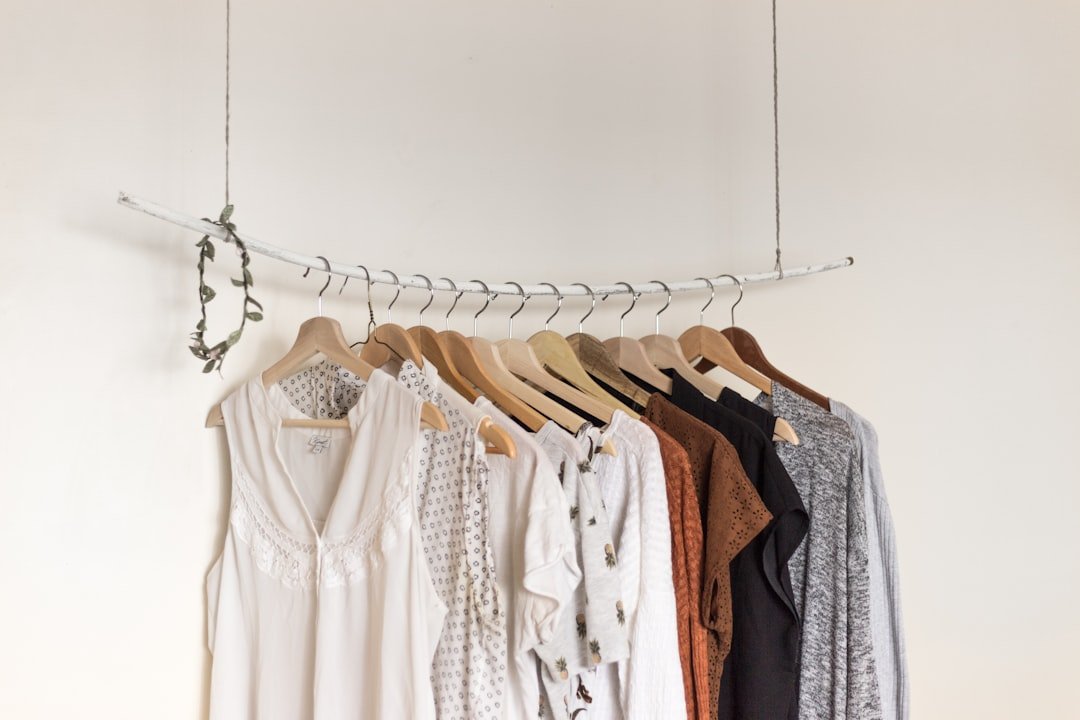
A pocket is only useful when it carries its load without making the garment feel wrong.
The familiar exit ritual—phone in one hand, keys in another, wallet shifted between pockets—often starts with clothing that was designed to look clean rather than carry well. Shallow front pockets let a phone ride above the opening; loose rear pockets turn a wallet into a conspicuous target for loss; decorative pocket bags offer no capacity at all.
Effective everyday carry is a four-way compromise. Items need to stay secure while walking and sitting, remain reachable without digging, preserve the garment’s line, and avoid stressing seams, pocket bags, or lightweight fabric. A heavy key ring in a thin trouser pocket can abrade the lining and pull the silhouette out of shape; a bulky wallet may be secure but uncomfortable on a chair. The goal is not maximum storage. It is stable, low-profile access to the few objects used all day.
- A pocket opening that is narrower than the item’s widest point tends to force awkward insertion and retrieval.
- Pocket bags in sturdier woven fabric generally tolerate repeated keys-and-phone use better than thin lining material.
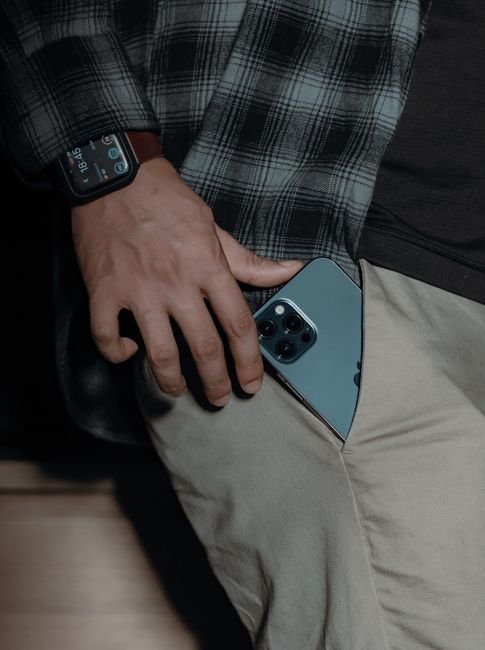
Clothing built around the routine
EDC clothing essentials are not a uniform of cargo pockets, hook-and-loop panels, and conspicuous branding.
It is ordinary-looking clothing chosen because it supports a real daily carry pattern. Additionally, a phone stays secure when seated. Keys do not abrade the pocket edge. Moreover, a light layer still allows a full reach or drive.
Purpose comes from the interaction of storage, fabric, cut, and construction.
Additionally, for EDC clothing essentials, a commuter carries a cardholder, phone, a compact light, and transit pass. This setup may require two reliable front pockets and an unobtrusive internal pocket.
When outdoors, someone may value articulated knees, abrasion-resistant fabric. Pockets that remain usable with gloves are also important.
Features worth examining
- Pocket placement: reachable when seated, without items stacking on one another.
- Pocket construction: reinforced openings, stable pocket bags, and stitching that resists clipped tools.
- Material behavior: stretch for movement, denser weaves for wear, and drying speed suited to the routine.
- Mobility: a gusseted crotch, sensible rise, and sleeves that do not pull when arms lift.
Extra pockets are useful only when they give a specific item a stable home.
Additionally, unused compartments add bulk and collect debris.
They can make a garment harder to wear every day.
Audit the Carry Before Buying the Clothing
-
Empty every pocket and bag
List what actually travels on ordinary days, then mark anything carried only out of habit. Include phone, wallet, keys, earbuds, notebook, tool, medication, and work credentials rather than designing around imagined contingencies.
-
Separate immediate-access items
Phone, keys, transit pass, and frequently used tools need a repeatable, one-handed location. Items used once or twice a day can move to a jacket, bag, or deeper pocket without slowing routine tasks.
-
Measure the awkward pieces
Note height, width, thickness, and weight—not just item count. A slim cardholder asks little of a pocket; a large phone, key organizer, power bank, or multitool creates leverage that can pull fabric, print through trousers, or bang against other items.
-
Match dimensions to pocket architecture
Tall, rigid items benefit from deep, stable pockets; heavy objects need reinforced fabric, secure stitching, and a low-swing position. Flat items suit internal or rear pockets, while loose small pieces need a closure or dedicated compartment.
-
Remove duplicates and collisions
Two key rings, a wallet plus cardholder, or metal tools sharing a pocket add bulk and abrasion. The resulting shortlist reveals whether clothing needs more storage—or simply better placement.
Pockets are load-bearing design
Pocket count is a weak proxy for usefulness. A good pocket has an opening that admits the item without a struggle. It should have enough depth to stay below the rim through a full stride, and a shape that keeps the load close to the body. That means you should check how items fit during movement.
Before buying, test the intended phone, wallet, or tool while standing, walking, and sitting. Genuinely deep phone pockets can still fail if their opening is too narrow or their bag is shallow at the bottom.
Read the pocket’s geometry
Front-pocket angle determines reach and retention.
However, a moderately angled opening is quick to enter.
Nevertheless, a near-vertical opening tends to hold objects more reliably.
This can be awkward when seated.
Curved bags distribute a phone or wallet across the thigh, a principle in EDC clothing essentials.
Narrow, straight bags concentrate pressure and can telegraph the outline.
Look closely at stress points, like bar tacks or dense reinforcement at the opening corners. Additionally, durable pocketing fabric and stitching that does not carry all the load at one edge matter. Heavy keys and clipped tools repeatedly pull at those corners. Corner-rip prevention begins with construction as much as with lighter carry.
Choose retention deliberately
Open pockets offer the fastest draw and least visual fuss.
However, they rely on depth, angle, and body movement to retain contents.
Zips, snaps, flaps, and internal sleeves add security, at the cost of one-handed speed and sometimes seated comfort.
A practical split is front pockets for frequent items and a closed pocket for documents, cash, or a backup item.
Capacity also needs stability.
A loose cargo pocket lets dense gear swing and alter gait. Additionally, controlling cargo-pocket bounce usually means a close-fitting bellows, internal divider, or closure.
If loaded pockets drag the waistband down, reducing all-day sag may require distributing weight. Rather than simply tightening a belt, distribute the weight.
Finally, test a seated position. An item secure while walking may press into the hip or slide toward the opening in a car or chair. This creates the familiar problem of a phone working loose from a pocket.
Fabric and construction under real load
A fabric’s specification is only a starting point.
Denier, GSM, and “ripstop” describe part of the material, not the whole garment.
However, a light plain weave can outlast a heavier loose weave.
This happens when its yarns, finish, seam design, and pocket reinforcement are better matched to the job.
Read fabric as a system
- Cotton drapes quietly, feels comfortable in dry moderate conditions, and is easy to repair, but absorbs rain and dries slowly. Canvas gains abrasion resistance with density, at the cost of breathability and bulk.
- Nylon generally offers strong abrasion resistance and quick drying for its weight; its slick surface can be noisier and its drape more technical. In humid weather, the nylon-versus-polyester choice also depends on weave openness and moisture handling, not fiber alone.
- Polyester resists UV degradation and often holds shape well, but can feel clammy in tightly woven pants. Mechanical stretch improves mobility; elastane adds recovery but may shorten service life in high-friction areas.
For intermittent rain, a DWR finish helps water bead briefly but does not waterproof the garment.
Additionally, a shell’s performance depends on membrane, seam sealing, and upkeep.
Learn how to renew a worn DWR finish before the garment fails.
Inspect the stress points
A loaded pocket pulls on its opening, corners, and the seam joining it to the garment.
Look for bar tacks or box stitching at corners, securely anchored zipper ends, and a stable waistband.
Additionally, check gussets where stride creates tension.
Heavy fabric with weak thread, sparse stitches, or unreinforced pocket corners can fail early.
Conversely, a quieter, lighter fabric with purposeful reinforcement may carry everyday weight more comfortably and with less conspicuous bulk.
Fit keeps carry under control
A pocket is only as stable as the garment around it.
Moreover, waistband fit is the anchor.
If it is loose, the weight of a phone, wallet, keys, and tools pulls the trousers downward.
This causes pocket contents to swing.
Additionally, an overly tight waistband creates the opposite problem.
It concentrates pressure at the pocket opening and makes access awkward while seated.
Additionally, rise and thigh room determine where that load sits through a full day. However, a rise that is too short can bind when bending or sitting. A rise that is too long may leave front-pocket items hanging lower than intended. Similarly, slim cuts can look clean when empty. Nevertheless, they strain pocket bags against the thigh, causing obvious printing and restricting a deep step, squat, or climb. Roomier cuts reduce that tension, but excess fabric can allow dense items to shift.
Test the cut with actual carry
Fit checks work best with the normal daily load—not showroom-empty pockets. Before regular rotation, wear the garment with its usual phone, wallet, keys, and any compact tool through ordinary movements:
- sit in a vehicle or at a desk;
- walk briskly and climb stairs;
- bend to pick something up;
- reach overhead and take a long stride.
Watch for waistband creep, pocket flare, thigh pulling, noisy item swing, and sharp pressure points. A garment that remains comfortable and visually composed under this modest test is far more likely to carry predictably.
Let layers take the overflow
An outer layer is useful when it acts as controlled overflow, not a wearable organizer. Trousers still handle the items needed while seated, walking, or entering a building: phone, wallet, keys, and perhaps a slim tool. A layer takes the less frequent, bulkier, or weather-dependent pieces—gloves, a compact notebook, transit card, sunglasses case, or a folded cap.
Match the layer to the load
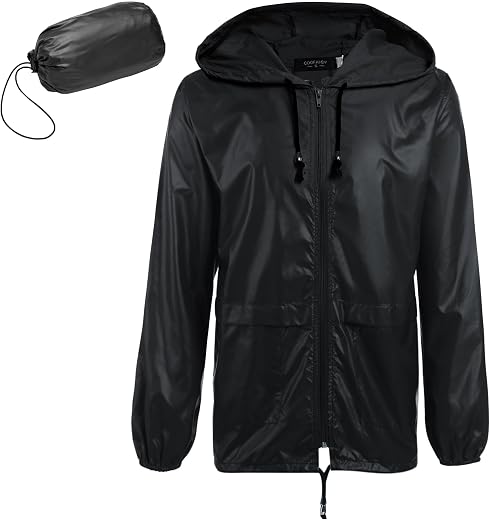
An overshirt or chore jacket works well for flat, quiet items in chest or internal pockets. Its structure spreads weight across the shoulders, but heavy objects can pull the front open and distort the silhouette. A light shell is better reserved for low-profile items; its thin face fabric and lightweight lining are designed for weather protection, not dense loads.
When comparing lightweight jackets that add discreet pocket space, pocket placement matters as much as count. Internal zip pockets keep documents or spare power close to the torso; hand pockets suit gloves or a packable hat, not a heavy battery that will swing with each step.
Keep the indoor transition easy
A removable layer should not hold anything needed immediately after it comes off.
Additionally, keep identity, payment, phone, and primary keys on the body beneath.
Moreover, in warm weather, shorts with secure closure pockets can preserve that core carry while the jacket is stowed.
- Base pockets: frequent-access essentials.
- Outer layer: occasional, light, or weather-specific items.
- Bag or leave behind: dense gear that overwhelms either system.
Before relying on a layer, sit and reach overhead. Additionally, then take it on and off while loaded. If objects shift or become unavailable when the layer is removed, the distribution needs simplifying.
Utility that travels well
A restrained five-pocket trouser is often the broadest starting point: familiar front pockets preserve an ordinary silhouette, while a fifth pocket or hidden rear compartment handles a small, infrequently used item. Tapered or straight legs generally read more versatile than aggressively articulated panels, oversized gussets, or contrast stitching.
For more capacity, look for cargo trousers with a civilian-looking profile: flat bellows, pocket flaps that sit close to the thigh, and fabric matched to the rest of the garment. A cargo pocket placed high on the thigh moves less than one hanging near the knee; a slim internal divider can keep a phone or notebook from becoming a swinging lump. This makes the same garment more credible at a casual workplace, airport, or trailhead.
Security is a system, not a zipper count.
A zipped pocket is useful only when its opening is hard to expose accidentally.
The slider should be unobtrusive, and the pocket must stay comfortable enough to stay closed.
Additionally, in dense transit settings, the limits of zipper-pocket protection in crowds matter.
Moreover, placement also matters, as internal pockets, buttoned rear pockets, and a jacket’s chest pocket can each suit different items.
Reserve closures for valuables and loose items.
Leave frequently reached tools in open, stable pockets.
A rigid item benefits from a pocket that keeps it upright and separated. Soft items tolerate shared space better. When every object has a defined position, the garment looks calmer and access becomes more predictable.
- Works under the actual load
After a typical day of walking, sitting, stairs, and bending, the waistband, pocket mouths, and fabric should stay settled. Core items need to be reachable and replaceable without resetting the garment.
Look forStable waist, clear openings, unrestricted stride.AvoidCapacity that works only while standing still. - Survives the wider wardrobe
Useful clothing handles the local temperature range and expected wet-weather exposure, while seams, pocket edges, and closures tolerate repeated friction. It also needs to layer and coordinate with clothes already worn; otherwise its utility is isolated.
Look forAppropriate layering, reinforced stress points, familiar combinations.AvoidSpecial-purpose pieces for unlikely conditions.
EDC Clothing: Common Questions
Does more pockets mean better everyday-carry clothing?
No. Pocket count is a weak proxy for usefulness. A good pocket has an opening that admits the item without a struggle, enough depth that it remains below the rim through a full stride, and a shape that keeps the load close to the body. Unused compartments add bulk and can make a garment harder to wear.
What should be checked before trusting a pocket with daily carry?
Test the intended phone, wallet, or tool while standing, walking, and sitting. Look for bar tacks or reinforcement at the opening corners, durable pocketing fabric, and stitching that isn’t carrying all the load at one thin edge.
How does waistband fit affect pocket stability?
Waistband fit is the anchor. If it’s loose, the weight of a phone, wallet, keys, and tools pulls the trousers downward and lets pocket contents swing. An overly tight waistband has the opposite problem, concentrating pressure at the pocket opening.
What's the best way to add carry capacity without overloading trousers?
Use an outer layer as controlled overflow rather than a wearable organizer. Trousers handle items needed while seated or walking—phone, wallet, keys—while a jacket takes less frequent, bulkier, or weather-dependent pieces like gloves or a compact notebook.
Does fabric weight alone determine how well clothing holds up to daily carry?
No. Denier, GSM, and “ripstop” describe part of the material, not the whole garment. A light plain weave can outlast a heavier loose weave when its yarns, finish, seam design, and pocket reinforcement are better matched to the job.
Keep only what proves itself
A small, versatile rotation can be tested through ordinary weeks before anything is added for hypothetical scenarios. Repeated wear exposes the garments that remain comfortable, accessible, climate-sensible, and easy to combine—and makes the rest easier to leave behind.



14 Comments
When you say outer layers should take the overflow, what kinds of things count as overflow? I usually put my phone in a jacket pocket in winter, but then I’m constantly taking the jacket off indoors and losing access to it.
That is exactly the distinction: a phone is usually a core item because you need it throughout the day, so it is often better kept in trousers or an inner layer that stays on. Overflow is typically occasional, light, or weather-dependent gear—gloves, a folded tote, sunglasses case, snack, compact umbrella, or a receipt pouch. A removable layer should add convenience without becoming the only home for essentials.
The section on fabric was useful because I’ve definitely fallen for the “heavier fabric = tougher” assumption. Is there a quick way to spot weak pocket construction in a store without carrying a full load of stuff into the fitting room?
I’m mainly worried about the corners of front pockets. That’s where my clipped knife and keys seem to wear through trousers first.
Look inside the pockets if possible: check whether the pocket bag feels substantial, whether stress points are bar-tacked or reinforced, and whether the seams are straight and securely finished. From the outside, gently pull the pocket opening and corner seams rather than yanking hard; excessive distortion is not encouraging. Also consider separating keys from a clipped tool, since a durable fabric can still wear quickly under repeated concentrated abrasion.
Seconding this. I started using a small key organizer and it made more difference than buying tougher jeans. Loose keys are tiny pocket wrecking balls.
I appreciate the point that more pockets are not automatically better. I bought a pair of “utility” pants with what felt like seventeen pockets, then spent two weeks forgetting where I put everything. Very prepared, completely unable to find my train card 🙃
The “audit the carry” idea is probably where I need to start. Do you literally measure the width/depth of everything, or is a simple list enough? My phone and wallet are easy, but keys and earbuds seem like they’d be hard to account for.
Start with a list and note where each item currently lives and how often you reach for it. For bulkier or awkward items, rough measurements help—especially phone, wallet, power bank, notebook, and any tool—but you do not need to measure every key. The goal is to identify pocket conflicts and pressure points, not create a laboratory inventory.
This gives me permission to stop buying cargo pants for problems I don’t actually have. My daily carry is phone, card holder, keys, and sometimes a power bank—yet I keep convincing myself I need a whole modular storage system. Marketing got me again 😂
Could you explain what you mean by waist anchoring? Is that mostly about wearing a belt, or does the actual waistband construction matter too?
I have chinos that fit fine empty, but once I put a phone, slim wallet, keys, and a small flashlight in them, they slowly rotate around my waist during the day. It drives me nuts.
It is both. A belt can help, but a stable waistband, suitable rise, and enough room through the seat and thighs matter just as much. If the pockets pull the garment forward or to one side, tightening the belt only partly solves it. Try loading the items you actually carry, then sit, walk, climb stairs, and reach overhead; rotation or sagging during those movements is a useful warning sign.
This was my issue with stretchy lightweight chinos. Great empty, but the fabric let the pocket load drag everything around. A slightly firmer waistband made a bigger difference than switching belts for me.
I’m a little skeptical of the “discreet silhouette” focus. Surely a jacket with useful pockets is allowed to look like it has pockets? Not everybody needs to look like they are heading into a board meeting.
How long do you give a new piece before deciding it has “proved itself”? I tend to keep something because it was expensive even if I only reach for it on the rare day I need extra pockets.
The climate-range point also hit home. A heavy overshirt works nicely in October but becomes dead wardrobe weight for most of summer where I live.