

A cartridge has no built-in expiration date—only a history that may or may not have damaged it.
A box of defensive ammunition found at the back of a drawer can be ten years old, twenty years old, or older and still look perfectly ordinary. That appearance is not a reliability verdict. Modern smokeless powder and priming compounds are generally stable when kept cool, dry, and protected from contamination; many old cartridges remain serviceable after decades of proper storage.
What matters is the cartridge’s environmental history, not its birthday. Repeated heat cycles can accelerate chemical breakdown. Humidity can corrode the case or compromise the primer seal. Oil, solvent, and other liquids can migrate into primers or powder; severe chambering and unloading cycles can alter bullet seating or damage a cartridge. Conversely, ammunition stored in a sealed container in a climate-controlled interior may age far more gently than newer rounds carried daily in a hot vehicle or exposed to sweat.
For emergency use, the relevant question is not “How old is it?” but “What evidence supports confidence in this specific lot and its storage?”
- Green or white corrosion, deep pitting, cracked seals, loose bullets, or oil contamination are stronger warning signs than a date stamp.
A cartridge has no printed deadline
A centerfire cartridge is not like food or medicine: it normally carries no fixed expiration date. Manufacturers can establish storage guidance and quality-control limits, but the usable life of an individual round depends on its history after it leaves the factory. A properly made cartridge kept cool, dry, and protected from contaminants may remain functional for decades; the same load can become questionable much sooner after moisture exposure, repeated chambering, oil contact, or corrosion.
The reason is its component system. The case and primer form a seal around the propellant; the bullet is retained at a specified depth and neck tension. Each part has a job, and failure of any one part can alter ignition, pressure, velocity, feeding, or terminal performance. The seal is durable, not invulnerable.
Shelf life is not defensive confidence
“Will it fire?” is a lower bar than “Can it be trusted for a defensive role?” Old ammunition may still discharge at the range while offering less certainty about consistent velocity, reliable primer ignition, bullet retention, or cycling in a particular firearm. Defensive ammunition is expected to work on demand, not merely demonstrate occasional function.
That distinction makes calendar age a screening clue, not a verdict. Provenance, storage conditions, visible condition, and performance verification together provide a more meaningful picture than a manufacturing date alone.
What actually changes inside a cartridge
A modern centerfire cartridge is a compact chemical system sealed in metal. Its components can change slowly over decades, but those changes are not equally likely—or equally consequential.
Slow aging versus sudden failure
Smokeless propellant is stabilized against gradual chemical breakdown. As stabilizers are consumed, deterioration can eventually accelerate, producing acidic compounds and sometimes a sharp, acrid odor, reddish-brown dust, or corroded brass. In ordinarily cool, dry storage, this process is often extremely slow. Sustained heat is the major accelerator.
Primers contain impact-sensitive compounds held beneath the cup and anvil. Their reliability can decline through long exposure to moisture, oil, solvents, or extreme temperature cycles. A primer need not look damaged to have been compromised; contamination can migrate through seams or arrive during careless handling.
The case and bullet face different risks. Brass can tarnish harmlessly, while green corrosion, pitting, cracks, or a bullet that has shifted in the case indicate a more meaningful loss of integrity. Corrosion around the primer pocket or case mouth matters because those are the cartridge’s intended barriers against moisture.
Why storage outweighs the manufacturing date
Factory sealants at the primer and case mouth can slow moisture entry, but they are not permanent armor. Repeated chambering can wear sealant, deform a bullet, or set it back deeper into the case; a damaged cartridge can become questionable quickly even when recently made.
Conversely, sealed, dry cartridges kept away from heat, oils, and corrosive vapors may remain dependable far beyond their purchase date. A decade in a hot vehicle can be harsher than several decades in a stable indoor environment. The relevant question is therefore not simply how old a round is, but what conditions it has endured and whether its physical condition still supports confidence.
A clean-looking cartridge has not necessarily retained primer or propellant performance. Visible corrosion, cracks, leakage, or bullet movement are stronger reasons for concern because they document a breached or mechanically altered assembly.
Where ammunition lives matters more than its date
A box kept dry, moderately cool, and indoors in its original packaging can remain far more trustworthy after many years than a recently purchased cartridge exposed to heat, moisture, or contamination. The headstamp identifies a production period; it does not record the conditions that followed.
Stable indoor storage
A climate-controlled interior limits the forces that accelerate deterioration: sustained heat, large temperature swings, high relative humidity, and condensation. Sealed factory boxes stored away from solvents, oils, and household chemicals generally provide a benign environment. In that setting, age alone is a weak predictor of defensive reliability.
Harsh environments leave a different history
Common storage locations create very different risks:
- Vehicles can reach extreme temperatures and cycle from hot days to cool nights, stressing components over repeated seasons.
- Garages and sheds often combine summer heat with humidity, dust, and corrosive fumes from tools, fuels, or chemicals.
- Basements may seem cool but can experience damp air, flooding, or condensation near exterior walls and concrete floors.
- Daily carry exposes cartridges to perspiration, body oils, lint, rain, and repeated chambering; nickel-plated cases resist corrosion better than plain brass, but are not immune.
Visible discoloration, green residue, pitting, damaged bullets, compromised primers, or oil around the case mouth make the exposure history more concerning regardless of date. Conversely, clean, intact cartridges from documented indoor storage warrant a different assessment than equally old rounds of unknown origin. For defensive ammunition, known provenance and condition outweigh a number stamped on the case.
Daily carry creates a different kind of wear
A loaded carry firearm exposes the top cartridge to a harsher routine than boxed ammunition: body heat, perspiration salts, clothing lint, skin oils, impacts against hard surfaces, and frequent administrative handling. These are central to self-defense ammunition basics, because a fresh production date does not undo physical wear.
Setback is the critical concern
Each time a round is stripped from the magazine and driven into the chamber, the feed cycle can push its bullet fractionally deeper into the case. This bullet setback reduces the cartridge’s internal volume. With the same powder charge confined in less space, firing pressure can rise substantially; the effect is especially important in cartridges loaded near their intended pressure limits.
A cartridge that has been chambered repeatedly merits comparison with an unfired round from the same load. Warning signs include a visibly shorter overall length, a tilted bullet, a case-mouth scrape, or looseness at the bullet. A firm factory crimp is not a guarantee against cumulative setback.
Small defects can signal larger problems
Lint around the case mouth, green or white corrosion, a dented case, damaged primer, or oil seepage can indicate that the seal or structure has been compromised. Routine visual inspection helps separate ordinary cosmetic marks from cartridges whose condition is no longer easy to trust. Limiting unnecessary loading and unloading cycles reduces both handling contamination and mechanical stress.
What a cartridge inspection can—and cannot—tell
-
Start with the box and its history
Look for water staining, crushed packaging, loose rounds, oil seepage, heavy dust, or a mixed assortment of loads. A box that cannot be linked to known storage or a single factory lot warrants less confidence than one kept dry and intact.
-
Scan every case under strong light
Reject obvious corrosion: green or white deposits, pitting, flaking plating, deep discoloration around the primer, or rust on steel cases. Tarnish alone is not necessarily harmful, but it can hide more serious surface damage.
-
Examine the primer and case head
The primer should sit level or slightly below flush, without dents, punctures, oil residue, or an unusually proud position. Check the rim and extractor groove for bends, cracks, or damage that could affect feeding or extraction.
-
Compare bullet position and condition
Set suspicious rounds beside an unfired example from the same load. A visibly deeper-seated bullet, loose bullet, split case mouth, damaged jacket, or distorted hollow-point cavity is a clear reason to remove that round from defensive use.
-
Check for contamination and mechanical damage
Lint can be brushed away, but greasy film, moisture, grit embedded near the primer, dents that crease the case, or evidence of a hard impact deserve conservative treatment. Do not attempt to disassemble or “repair” questionable cartridges.
Inspection is most useful when it is routine: comparing cartridges to known-good examples makes subtle changes easier to spot.
Visual screening can identify visible corrosion, contamination, deformation, and bullet setback. It cannot reveal weakened primer compound, altered propellant, internal moisture exposure, or a compromised seal.
For defensive ammunition with unknown storage history, inspection is only one confidence signal—not proof of reliable ignition, pressure behavior, or terminal performance.
Range function is not defensive proof
A handful of old cartridges that fire at the range have cleared only a narrow hurdle: they ignited and left the barrel under those conditions. Defensive confidence is broader. A cartridge must feed from the magazine, chamber fully, ignite promptly, propel the bullet consistently, extract, eject, and allow the pistol or rifle to return to battery.
That chain is firearm-specific. A load that cycles flawlessly in one otherwise identical handgun can hesitate in another because of magazine springs, feed-ramp geometry, chamber dimensions, recoil-spring weight, or the shooter’s grip. Bullet profile and overall cartridge length can matter as much as the headstamp.
What a meaningful check observes
Testing the exact defensive load can reveal issues that inspection cannot:
- Feeding and chambering: Watch the first round, the last round, and reloads; these often expose magazine-related problems.
- Ignition and ejection: A sluggish report, weak ejection, failure to reset, or abnormal smoke deserves attention, even if the round fired.
- Point of impact and recoil: A reliable load still needs predictable recoil and a practical relationship between sights and impact.
- Lot consistency: Different production lots may use different component batches or exhibit small velocity differences.
Sample size sets the limit. Ten uneventful rounds provide more information than one, but cannot demonstrate a failure rate low enough to predict rare malfunctions. Conversely, a single malfunction may stem from the cartridge, magazine, firearm condition, or ammunition/load interaction; isolating the cause matters.
There is an unavoidable tradeoff: firing carry stock reduces the supply retained for carry, while testing unrelated ammunition does not validate the carried cartridges. A practical compromise is to test a representative portion of the same load and lot, including cartridges that have experienced comparable carry conditions, while preserving inspected replacements from that lot. Repeatedly chambered rounds merit particular scrutiny because setback can alter pressure even when every round in a small test fires normally.


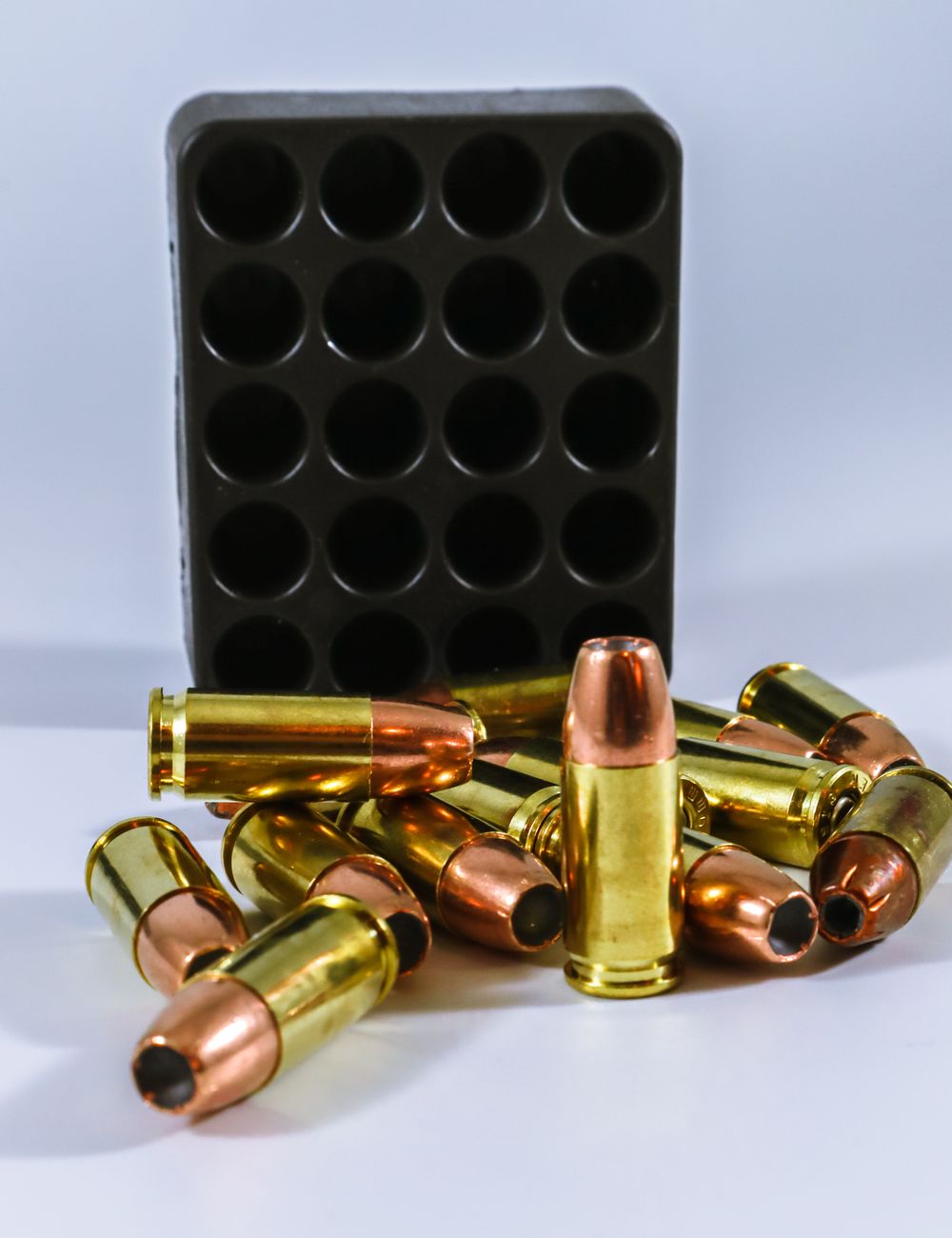
Functional is not the same as ready to carry
- Known, controlled historyCartridges retained in stable indoor conditions and kept free of oil, water, and rough handling carry a more defensible confidence level than loose rounds of uncertain origin.Higher confidence before assigning a round to defensive dutyDocumented source, sensible storage, and intact packaging or lot identity.Treating a single successful shot as proof of suitabilityMixed loose cartridges, inherited ammunition, or exposure that cannot be reconstructed.
- No physical warning signsA round intended for an active defensive role needs more than a presentable appearance. Corrosion, dents, loose bullets, damaged primers, or case-mouth defects can signal compromised ignition, chambering, or pressure behavior.Higher confidence before assigning a round to defensive dutyClean case and primer, firm bullet seating, and an undamaged rim.Treating a single successful shot as proof of suitabilityAny corrosion, deformation, contamination, or bullet movement.
- Limited chambering wearRepeated loading and unloading can drive a bullet deeper into its case even when the cartridge otherwise looks normal. That reduced internal volume can increase pressure when fired.Higher confidence before assigning a round to defensive dutyA cartridge with stable overall length and no evidence of repeated cycling.Treating a single successful shot as proof of suitabilityA repeatedly chambered round, especially one shorter than comparable cartridges from the same load.
- Relevant reliability evidenceA load that has operated normally in a particular firearm and magazine provides useful evidence, but it does not validate every old or unknown individual cartridge.Higher confidence before assigning a round to defensive dutyRecent, comparable ammunition performing reliably in the intended platform.Treating a single successful shot as proof of suitabilityAssuming unrelated range ammunition proves a questionable carry round.
A cartridge can fire despite a degraded primer, altered propellant, or subtle mechanical damage. That possibility makes a one-round test a poor way to establish defensive confidence.
For ammunition with corrosion, oil or water exposure, unexplained damage, or unknown storage history, manufacturer instructions and local law-enforcement, range, or household-hazardous-waste resources can identify appropriate disposal options. It should not be placed in ordinary trash or disassembled casually.
Confidence is the real service-life limit
- Calendar age alone rarely settles the question.
- Unknown history and repeated chambering justify a stricter standard than casual range use.
- Visible defects are disqualifying; a clean surface is not a reliability certificate.
A cartridge may remain capable of firing long after its manufacture date, yet still fall short of the confidence appropriate for an active defensive role. Provenance, exposure, physical condition, and mechanical history determine that decision more reliably than age alone.






6 Comments
I appreciate that this doesn’t turn into the usual “ammo lasts forever” answer. My father kept some .38 Special in a detached garage for years, through humid summers and freezing winters. It looks mostly okay, but “mostly okay” is not a standard I want for something intended to protect my family.
I’ll probably mark it as range-only, assuming the local range will let me fire it, and buy a current carry load. Cheap insurance, as they say.
Can oil actually get into a primer just from normal gun cleaning? I’m careful not to spray cleaner directly on loaded magazines, but sometimes there is a light film left inside the action after cleaning. Curious where the practical line is between normal maintenance and contamination risk.
It can happen, particularly with excess liquid oil or solvent migrating into cartridges over time. Normal, restrained lubrication of the firearm is not a reason to panic, but avoid soaking the chamber, magazine, or ammunition and wipe away excess before reloading. If rounds have been directly sprayed or heavily exposed to solvent or oil, replacing them is the prudent move for defensive use.
Repeated chambering is the part that worries me most. Is there a sensible number of times to chamber the same carry round, or is the advice basically “measure it / compare it to a fresh round”?
What about ammo left in a car for a few months? Not permanently, but I sometimes forget a loaded magazine in the console after a range trip. The article makes vehicle heat sound like a bigger deal than the calendar age, which makes sense, but is one hot summer enough to toss it?
A single summer in a vehicle does not create a universal “discard immediately” rule, but it is a meaningful hit to the cartridge’s storage history—especially if the car sat in direct sun repeatedly. For ammunition intended for defensive use, replacing that magazine with known, properly stored ammunition is the conservative choice. The old rounds can be inspected and, if they show no damage, used for ordinary range practice rather than relied upon for carry.