Keys, a phone, chargers, coins, and lip balm do not stay where they are placed. In a shared compartment, they can press against controls, obstruct a draw path, catch on hardware, or simply conceal a m...
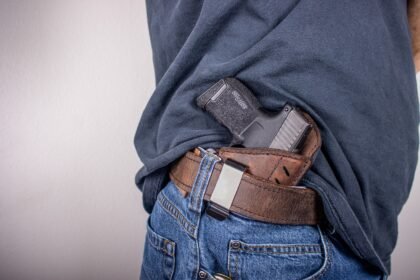
A purpose-built gun belt can make daily carry feel markedly more controlled. By resisting sag and unwanted twist, it helps keep the holster at a consistent cant and ride height, which supports steadie...

A vehicle works best as a short-gap location, not a routine place to leave a handgun between errands, work shifts, or overnight parking. The more often the gun moves from body to console, lockbox, or ...

Accessories make more sense when treated as problem-solvers, not a shopping list. Most issues fall into three buckets: weight support, position control, and friction management. The first bucket is fo...

Every warm-weather adjustment sits under three fixed requirements: lawful carry, complete trigger coverage, and retention that stays consistent while moving, sitting, and sweating. If any clothing tri...
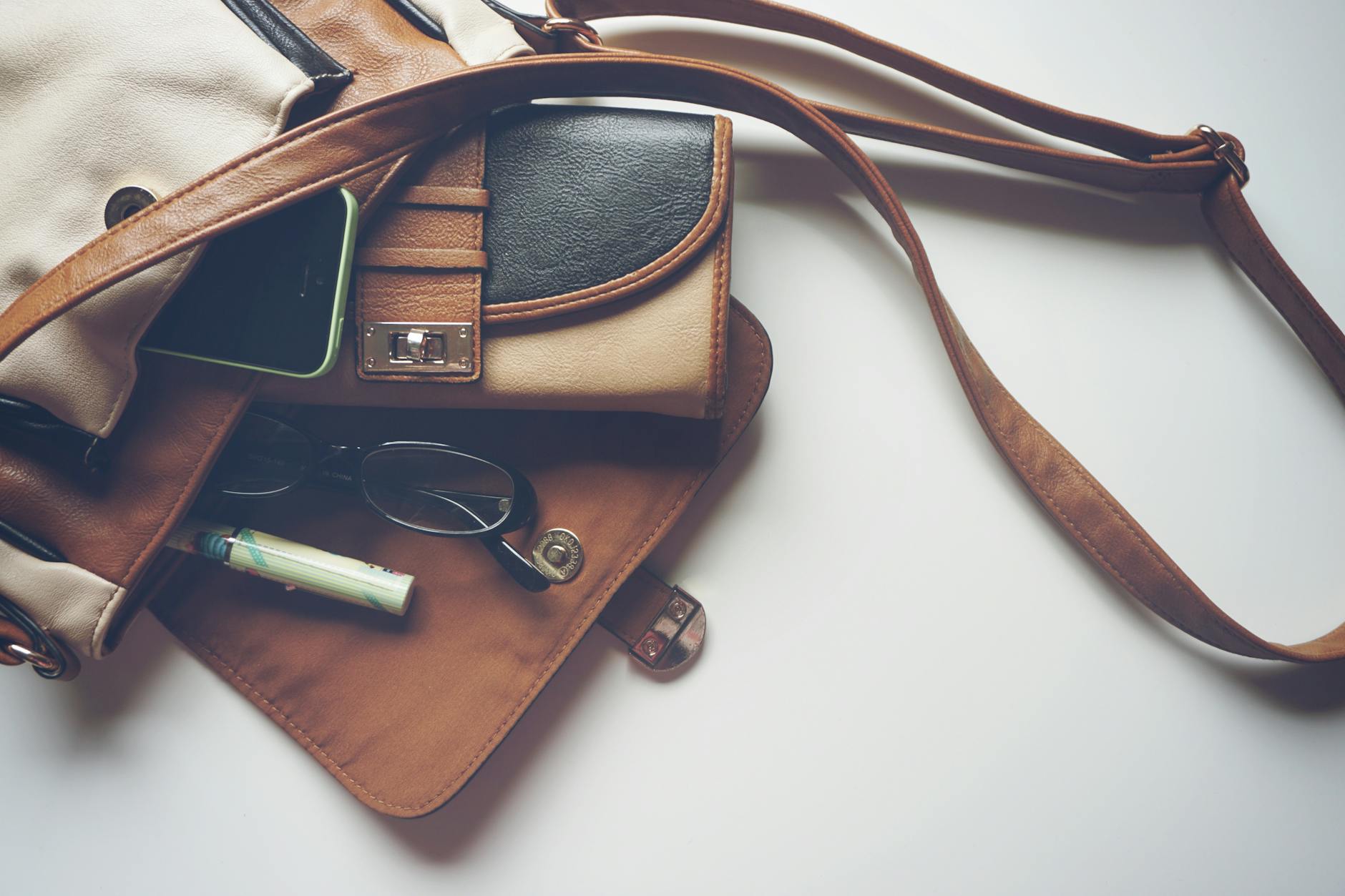
The three-part test Off-body carry is more than “a gun in a bag.” It places the firearm inside a separate object that can be set down, handed over, searched, stolen, or opened by someone e...
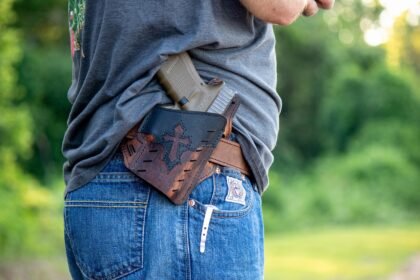
A gun belt is not simply stiff or soft. It can resist vertical sag under the weight of a holster yet still bend enough to follow the waist and hips. That distinction explains why some belts feel secur...

A concealment belt is narrower in purpose than a general gun belt. Its job is not simply to hold weight; it must support a holster while keeping the waistline visually quiet under normal movement, lig...

On the strong side, discomfort often comes from load concentration, not overall weight. The holster, belt tension, and pistol mass can stack onto a small hard landmark—typically the crest of the hip, ...
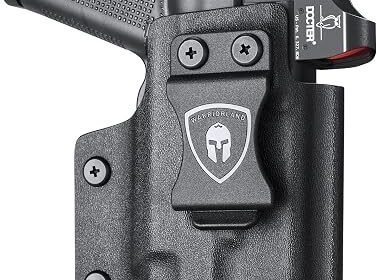
Everyday-concealment options Duty and specialty rigs Practical priorities: match holster family to primary carry goals (concealment vs rapid access), verify fit to light footprint, prefer adjustable c...