
Slim down or stay prepared — pick the right compromise.
At airport security or when squeezing into slim jeans, the wallet suddenly defines what can travel. Travelers must balance a pared-down profile with the documents, cash, and cards that enable a trip.
Capacity vs thickness: More cards add bulk; move travel-only items to a separate folio. Access vs security: Easy tap access versus zipped or RFID-protected pockets; pick based on likely risk. Daily pockets vs travel pockets: Front-pocket minimal for daily use; use a larger organizer for flights.Compact travel options


A practical taxonomy of minimalist wallets
Quick taxonomy
Minimalist wallets cluster into a few clear families. Each entry lists typical capacity, pocket footprint, and travel suitability.
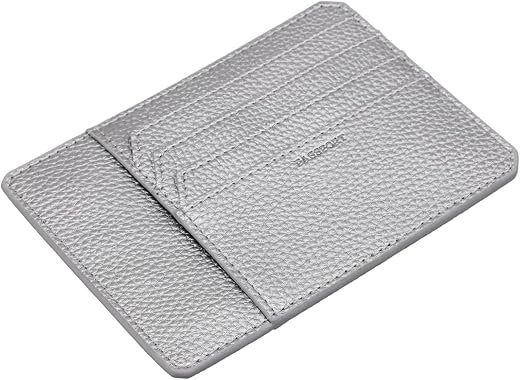
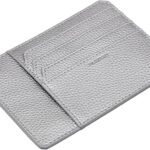
- Card sleeves / single-pocket sleeves — Capacity: 1–6 cards; Footprint: paper-thin; Travel suitability: best for short trips or secondary pocket. Very low bulk, easy to layer with a passport or phone case.
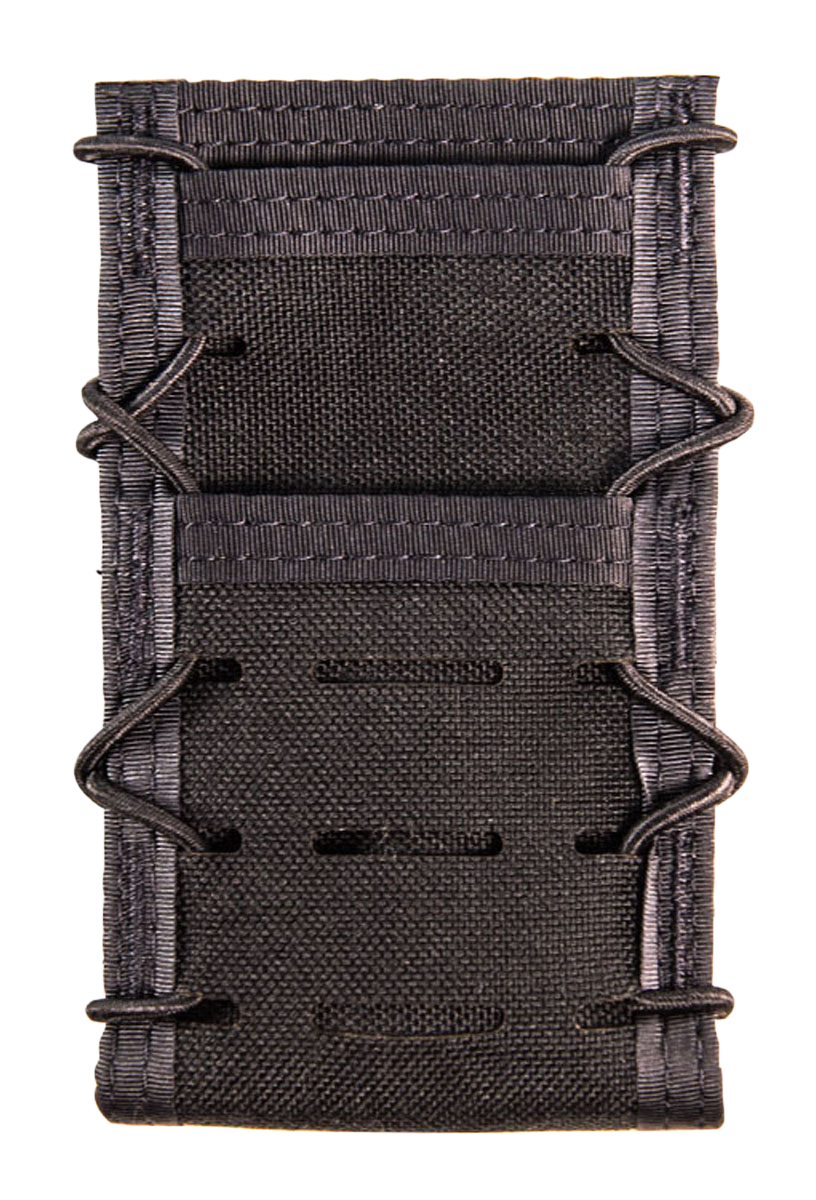
- Elastic / strap holders — Capacity: 1–8 cards + folded cash; Footprint: ultra-slim; Travel suitability: good for city travel with light cash needs. Elastic adapts to load but offers limited organization.
- Money clips / clip wallets — Capacity: folded bills + few cards; Footprint: narrow, thin; Travel suitability: useful when coins are minimal and quick access is priority. Security depends on clip strength.
- Slim cardholders (folding or layered) — Capacity: 4–12 cards + cash; Footprint: thin bifold-like; Travel suitability: balanced for longer trips when minimal organization is needed.
- Zip or pouch minimalist wallets — Capacity: 8–20 items incl. coins; Footprint: slightly thicker; Travel suitability: best for international travel where coins, receipts, and passports require containment.
How to match types to needs
Match by primary constraint: if pocket thickness is critical, favor sleeves or straps. If coin or document control is necessary, favor zip/pouch variants. For a mix of access and capacity, choose slim folding holders.
How clothing and pocket choice change what 'minimal' means
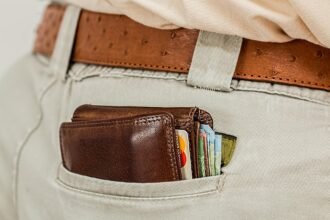
Minimality depends on where a wallet lives. A card-slim wallet that is unobtrusive in a blazer pocket can feel bulky in slim jeans; a folded bill wallet that fits a cargo pocket may distort a dress pant seat. Treat pocket volume and clothing fit as primary constraints.
Measurable rules of thumb
- Pocket mouth width: aim for a wallet footprint ≤80% of the pocket opening to avoid catching when sitting or reaching.
- Thickness guideline: for front pockets, keep total thickness under ~12–15 mm; for rear pockets, aim substantially thinner (≈8–12 mm) to reduce spinal imbalance. These are approximate and depend on fabric and pad.
- Clothing factor: slimmer cuts and heavy fabric reduce usable depth; jacket and coat pockets tolerate more thickness.
Quick pocket-fit checklist
- Measure pocket opening and depth, compare to wallet footprint and loaded thickness.
- Insert wallet with typical contents, then sit and stand for two minutes; note pressure or misalignment.
- Try alternate pockets or a jacket pocket if discomfort appears.
For posture-focused adjustments and alternatives, see practical steps to avoid wallet back pain.
Fold the wallet with usual cards and cash and perform a one-minute sit test in the clothes typically worn. If any pressure or angle change is noticeable, choose a slimmer option or a different pocket.
Match wallets to traveler archetypes
Different travel rhythms favor different minimalist families. Below maps common archetypes to practical wallet choices and when a passport sleeve or combined solution makes sense.
- Commuter: slim cardholders or money clips — low capacity, instant access. Ideal for tight-pocket daily carry and transit cards; prioritize thinness and quick retrieval.
- Weekend traveler: compact zip or slim bifold — balances a few cards, cash, and receipts. Works with a detachable card sleeve that can shuttle between day and travel pockets.
- International traveler: passport wallets or travel organizers for documents, multi-currency storage, and security features. For light itineraries a slim passport wallet for light travel keeps airport lines smoother.
- Digital nomad: modular systems or tech-focused organizers — room for SIMs, cables, and extra cards; favors zip closures and modular add-ons.
Choose a dedicated passport sleeve when border control frequency or document count is high; prefer combined solutions when minimizing pieces is the priority.
For travelers needing a slim passport sleeve
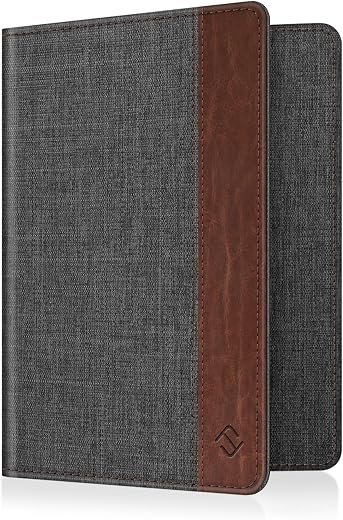
When the search intent is “TSA-friendly passport sleeve” — fast security screening and compact carry — consider the FINTIE Passport Holder.
Constructed from synthetic leather inside and out, it offers a soft, durable cover; built-in RFID blocking helps reduce risk of wireless skimming. Slots hold passport, several cards, and boarding passes; a slim profile lies flat in pockets or carry-on for quicker tray screening. Not a hard case — may suit travelers who prefer a lightweight, consolidated sleeve over rigid passport wallets.
RFID and anti-theft: myths vs reality
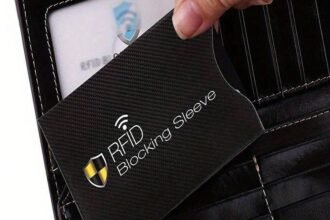
Contactless skimming requires very close-range readers and specialized effort; incidents are uncommon compared with online fraud and lost/stolen cards.
Concerns about card damage or erasure are separate—see whether RFID sleeves harm cards for technical details on card durability and interference.
Blocking radio signals protects from a narrow electronic attack but does nothing against pickpockets, distraction theft, or simple loss.
Independent tests and analyses explain why evaluations of blocker effectiveness often position RFID as a secondary convenience, not a primary defense.
Physical barriers reduce opportunistic theft, but behavior—secure pockets, backups, and attention in crowds—prevents more losses.
Prioritize countermeasures against common, preventable threats (pickpockets, bag slashing, misplacement) over improbable electronic attacks.
Primary defenses:
Keep essentials in secure, close pockets or neck pouches. Carry photocopies/backups and separate cards from cash. Use locking zippers or slash‑resistant straps for high‑risk routes.Secondary: RFID blocking is a lightweight convenience, not a substitute for vigilance.
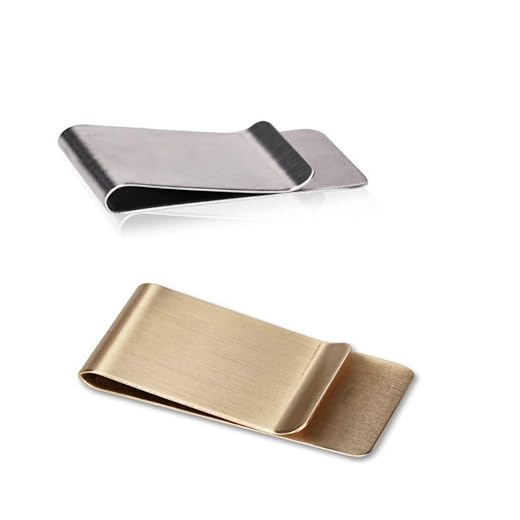
Ultra-thin clip, pack of 2
Stainless-steel money clip in a two-pack. Dimensions ~1.97×1.02 inches, 0.04-inch thickness; smooth finish for easy use. Holds folded bills and a few cards; favored when minimal pocket bulk matters.
Refer to common clip failures and fixes for deeper troubleshooting.
Tighten a loose clip by carefully bending the arms inward with pliers (small adjustments). Add a thin rubber or silicone strip to improve grip on slick bills. File burrs gently and rotate folded bills so the fold faces the pocket; change pocket if friction is the issue. Replace the clip if spring metal fatigues—hardware failure is common and inexpensive to fix.Carrying coins with minimalist wallets
Minimalist wallets often conflict with coins; several practical strategies preserve a slim profile while keeping small change accessible.
Strategy overview
- Accept coin exclusion when coins are rarely used, local card acceptance is high, or pocket space and thickness limits are strict.
- Choose a detachable module (zip capsule, coin keyfob) if frequent small transactions or cash markets require change; detach for flights or formal pockets.
- Use an integrated coin pocket when short-term convenience outweighs added thickness—favor recessed or low-bulk designs.
- For ultrathin carries, keep coins in a tiny fold or sealed capsule stored separately from the main wallet.
For examples of designs that succeed without bulking up, see slim wallets that actually hold coins.
Stealth travel wallets for low pickpocket risk
Discrete choices that reduce pickpocket risk
Minimalist anti-theft wallets that don’t scream “traveler” focus on neutral materials, low-profile silhouettes, and retention features rather than bulky locks or visible straps. Common forms include thin card sleeves with internal elastic, money-clip hybrids with locking clips, and slim zip pockets that sit flat in a front pocket.
Tradeoffs are straightforward:
- Stealth vs speed: internal pockets and micro-zips slow access at checkout or border control.
- Capacity limits: theft-resistant designs usually hold fewer cards/cash than everyday wallets.
- Comfort vs concealment: deeper front-pocket carry is safer but less convenient for quick use.
For comparisons and discreet product ideas, consult the product roundup of discrete anti-theft slim wallets.
Balance: pick a wallet that permits one-handed access to a primary card while keeping backups and cash in more secure compartments. Practice transit routines before travel to avoid fumbling.
Materials, failure modes, and travel-ready upkeep
Minimalist wallets age very differently depending on construction. Leather softens, darkens, and can stretch under constant load; fabrics (nylon, Cordura) show abrasion and edge fray; metals can bend, scratch, or have loose fasteners; elastics lose tension; laminated composites can delaminate.
Common failure modes
- Stretch: card slots and leather pockets widen over months of overfilling.
- Delamination: glued layers separate in wet or hot conditions.
- Bent metal / loose screws: money clips, chassis plates warp when overloaded or dropped.
- Elastic fatigue: bands thin and lose grip after many cycles.
Short maintenance regimen for travel
- Inspect and lightly clean materials; use saddle soap or conditioner for leather and follow a leather stretching guide.
- Tighten screws, remove burrs, and test clip tension.
- Rotate cards to avoid permanent deformation; avoid overstuffing.
- Pack a tiny repair kit: screwdriver, thread, and adhesive.
- Replace fatigued elastic before a long trip.
Tighten fasteners, wipe surfaces, test elastic grip, and include a small repair kit—simple fixes avoid mid-trip failures.
Quick checklist: match wallet to pocket and travel needs
- Pocket fitConfirm listed width, height and folded thickness against the target pocket when sitting or moving.Look forPrecise dimensions and low profileAvoidVague or missing measurements
- Capacity vs bulkDecide card and cash count first; check if expansion features add unacceptable thickness.Look forClear card/cash capacity and modular optionsAvoidCapacity claims without thickness data
- Security and accessWeigh retention method (strap, clip, recessed slot) against how quickly cards must be accessed.Look forPositive retention design and realistic access demosAvoidLoose trays or slippery finishes
- Travel compatibilityFor flights and crossings check TSA friendliness and passport accommodation if needed.Look forFlat passport-compatible designs or removable passport sleevesAvoidBulky combined solutions that impede screening
How product pages were evaluated
Verify dimensions vs real photos, confirm materials and closure types, and cross-check user images. For carrying in tailored clothing, see how to hide wallet bulge in a suit jacket.
-
Measure, don't assume
Translate listed dimensions into pocket fit by measuring a test object or past wallet.
-
Corroborate claims
Prefer multiple user photos, clear warranty/returns, and specific material specs over marketing copy.

Quick take
- Match measured pocket limits before judging capacity claims.
- Prioritize retention design over marketing buzz about RFID.
- Use user photos and return policies to validate fit for travel.
A short checklist plus practical verification steps makes product pages actionable: measure, corroborate, and prioritize the one dimension—thickness—that most affects pocket comfort and travel screening.






9 Comments
I’m confused about the “sit-and-measure checklist” for pockets. Is it literally measuring depth and width, or is there a different technique for leather jackets vs chinos?
It’s literal but practical: measure pocket depth (how far an object can sit before hitting the seam) and mouth width, then note where the pocket sits on your body (thigh vs hip) since that affects comfort when sitting.
For leather jackets, account for stiffer material — a wallet that fits snugly in chinos might be hard to insert in a stiff jacket. The checklist suggests a 5 mm safety margin for stiff fabrics.
Short and sweet: where do coins fit in for someone who uses public transport abroad? The coin module idea sounds good but I’m worried about bulk.
I tried a stealth travel wallet last year and hated the slow access at airport gates. The article hints at practice routines — anyone got a simple routine that keeps things fast but secure?
I pre-load a small travel pouch: passport on left, boarding pass in an outer sleeve, plastic card in front pocket. Practice twice at home pulling them out in order and it becomes muscle memory. Keeps you quick at gates without waving everything around.
Thanks for the real-world note, Tom. The simplest routine the article recommends is ‘prestage and sequence’: keep only what you need for the next checkpoint in a dedicated slot (e.g., passport + boarding pass), and practice pulling them out in the same order.
For stealth wallets, use a low-profile outer pocket for staging so you can access items with minimal visibility. Timing practice at home (3–5 reps) usually removes the bulk of the delay.
Quick question: when you talk about capacity vs thickness, is there a rule of thumb for how many cards becomes “too thick” for daily pockets? I wear jeans with shallow pockets and I’m torn between a slim cardholder and a money clip.
Does RFID blocking actually matter for travel? You say risks are overstated but I’m still nervous about using a passport sleeve without it.
Loved the taxonomy section — super helpful. One thing I wish you showed more of: actual dimensions (mm) for each family so I can compare against my pant pockets. Still, great roundup!