

Extra rounds and a fuller grip matter only if the pistol remains easy to carry when nobody is watching.
A compact pistol can feel transformed by a magazine extension at the range: the little finger has a home, reloads are easier to index, and the added capacity can be reassuring. Under a thin shirt, however, the same piece may become the lowest, widest part of the grip—the area most likely to print as the wearer bends, reaches, or sits.
The decisive question is not whether an extension is “worth it” in the abstract, but what it fixes. A short grip that compromises repeatable hand placement may justify a modest finger-rest extension even with no capacity increase. Conversely, an extension added solely for one or two rounds can be a poor everyday trade if it pokes into the body, catches on a cover garment, alters holster clearance, or encourages leaving the pistol at home. Shape matters as much as length: rounded base pads tend to conceal more smoothly than square, aggressively textured designs. Reliability also deserves scrutiny; the extension, spring, follower, and magazine body function as one system, not as independent accessories.
- Compare seated comfort—not just standing concealment—over a normal day.
- Confirm the extended magazine locks positively and drops free in the intended pistol.
- A grip-only base pad can add control with less added height than a capacity extension.
Not Every Longer Base Adds Rounds
Grip sleeve
A sleeve fills the gap below a short magazine, giving the hand a fuller surface. It normally adds no capacity and does not alter the magazine’s spring stack.
Low-profile base pad
A replacement floorplate or pad protects the magazine’s base and can improve purchase during reloads. Most remain capacity-neutral.
Capacity extension
An extended body section or replacement base system creates room for additional cartridges. Its spring, follower, insert, and internal clearance determine whether that added space functions reliably.
Full-length spare magazine
A complete longer magazine provides added capacity and grip length without converting a shorter assembly. It is engineered as a matched tube, spring, follower, and base system.
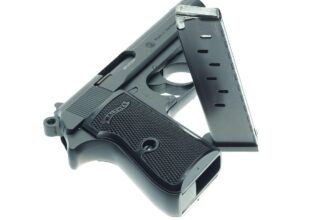
A factory extended magazine is validated as a complete assembly for a specific pistol. An aftermarket conversion reuses the original tube while changing one or more internal components; tolerances at the base, spring compression, follower travel, and locking interface can matter more than the advertised round count.
A grip sleeve may look like an extension while changing only handling. Conversely, a complete full-length magazine changes both capacity and the pistol’s grip profile.
Match the magazine to the job
A capacity figure is only useful in context. The same extension that makes a pistol easier to control during drills can make a concealed primary magazine harder to hide, slower to seat cleanly under clothing, and less comfortable through a full day.
Carry, home, and range roles
For a primary concealed magazine, the shortest reliable configuration often remains the practical choice; its job is discreet, repeatable carry rather than maximum onboard ammunition. An extended spare is a different calculation: it stays off the grip until needed, adds capacity without enlarging the carried pistol, and can offer a fuller reload grip. That is why an extended spare can be sensible even when an extended primary is not.
For a home-defense setup, concealment penalties largely disappear, while controllability and a clearly identifiable magazine may matter more. Training magazines can use extensions to build reload and malfunction-clearance familiarity, but hard-use practice also exposes spring, follower, and seating issues. Competition equipment favors the division rules, stage plan, and reload strategy—not simply the longest magazine available.
Before buying several formats, consider how many magazines the intended setup actually calls for. A proven standard magazine plus one tested extended spare often covers more useful ground than converting every magazine.
What an Extension Actually Changes
On a short-grip compact or subcompact, an extension can solve two separate problems: limited ammunition reserve and too little frame beneath the firing hand. These are related, but they are not the same product feature.
A true capacity extension lengthens the magazine body or base, uses an appropriately longer spring, and creates room for additional cartridges. The added rounds can be meaningful on platforms whose flush magazines hold relatively few cartridges. It also gives the support hand more magazine to grasp during a reload, reducing the chance of a fumbled extraction from a tight pouch or pocket.
Grip purchase is a separate benefit
A pinky extension may add no ammunition at all. Its purpose is to fill the gap under the little finger, which can improve leverage against muzzle rise and make a short frame feel less likely to shift during rapid firing. For some shooters, that extra contact matters more than one or two additional rounds.
Longer magazines also offer more to grab when clearing a stubborn magazine or resolving a malfunction. That advantage is most noticeable on pistols with deeply recessed, flush-fit base plates.
- Pocket-size pistols: often gain the most in controllability.
- Compact pistols: may benefit more from reserve capacity than grip length.
- Full-size pistols: usually gain little ergonomically; extensions chiefly increase ammunition reserve.
The critical distinction is simple: a shaped base plate can improve hand purchase, while only a redesigned magazine system creates additional capacity.
The profile matters more than the number
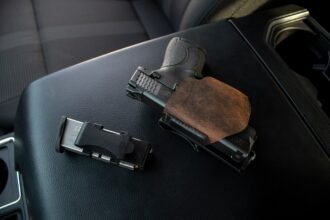
An extension’s shape and direction of added length determine how it carries. A rounded, tapered toe may slide past a cover garment, while a squared base can catch fabric even when both add the same capacity. Rearward bulk is especially noticeable: it can push the grip outward and make the pistol print through a shirt.
Seated comfort is also geometry, not just overall length. A long extension can press into the thigh, while a sharply edged base pad can create a concentrated pressure point. In a vehicle, extra length may also interfere with the seat belt’s path or snag during movement.
Check the complete carry setup
Holster clearance matters as much as grip clearance. Compare the extension against the holster mouth, concealment wing, garment, and normal seated position. The lowest, widest point of the magazine is often the part that reveals itself first—not the advertised round count.
Evaluate extensions by added length, width, corner shape, and rearward projection. Two models with identical capacity can behave very differently under clothing and in a seat.
Reliability is the deciding test
An extension is not a standalone accessory once it is installed; it changes a spring–follower–tube–base interface that must work as one system. A magazine can accept its advertised round count yet still be unsuitable if the final round is difficult to seat, the magazine will not lock in under a closed slide, or feeding changes when the stack is fully compressed.
Spring length and rate are central. Too little force can produce sluggish follower rise, missed slide lock, or inconsistent feeding near empty; excessive force can make loading and seating unnecessarily difficult. Internal extension geometry also matters: a sharp transition, loose fit, or follower that tilts can interrupt cartridge travel even when the exterior fit looks precise.
Functional outcomes that matter
Reliability checks need to cover more than firing a few rounds. Meaningful function includes:
- positive seating with a closed slide at the intended load;
- consistent feeding from full capacity through the last cartridge;
- slide lock on empty, where the pistol normally provides it;
- secure retention, clean release, and predictable drop-free behavior; and
- no loosening, cracking, or follower binding after loading, unloading, and ordinary handling.
Neither factory branding nor an aftermarket reputation settles the question. Fit can vary by magazine generation, follower, spring, pistol, and extension design; comparisons of OEM and aftermarket Glock magazine reliability illustrate why matched components matter. A dedicated extension magazine, identified and checked separately from trusted standard magazines, makes any problem easier to isolate.
Buy the system, not the largest number
- Exact magazine familyConfirm the body, catch cutout, frame generation, and floorplate geometry match the specific pistol.Look forFactory-listed fit for that exact model and generation.Avoid“Fits most” claims without a model-specific listing.
- Usable capacity and internalsCount the stated added rounds, then verify the supplied spring reaches full compression without coil bind and the follower travels freely.Look forA matched extension, spring, and follower kit.AvoidCapacity claims that rely on forcing the final round.
- Retention and lockupA loaded magazine must seat positively, resist unintended release, feed consistently, and lock the slide open after the last round.Look forSecure seating with the slide forward and under hand pressure.AvoidRocking, catch interference, or inconsistent slide lock.
- Carry profile and gear clearanceCheck rearward projection, sharp edges, holster clearance, concealment garments, and whether the base catches during draws or reloads.Look forRounded, durable materials that clear existing carry gear.AvoidA bulky base that solves capacity while creating snags.
The extension is only one part of a feeding system. A factory-length magazine designed for the desired capacity can provide a more predictable spring, follower, body, and base-pad relationship than a converted compact magazine.
When comparing options, the broader question of which handgun magazines make sense to buy matters more than the largest advertised number. Matched components and verified clearance usually outweigh one extra round.
A factory extended magazine arrives as a matched assembly: tube length, spring rate, follower geometry, base plate, and stated capacity were designed together. That usually makes replacement straightforward—another complete magazine restores the same configuration—and factory parts channels often make compatible followers, springs, and base plates easier to identify. The tradeoff is limited choice: available lengths and capacities follow the manufacturer’s catalog, not every conceivable carry or competition profile.
An aftermarket extension starts with an existing magazine and can offer finer capacity steps, different shapes, and rebuildable parts. A worn spring or damaged base can sometimes be replaced without discarding the tube. It can also be the more economical route when compatible magazines are already on hand. But serviceability depends on the maker continuing to supply extension-specific springs, followers, screws, and retention plates; a standard replacement spring may not produce the intended compression or slide-lock behavior.
The weak point is the boundary between components. A tube from one production run, a follower from another, and an extension designed around a particular spring can each fall within their own tolerances while producing marginal stack height, follower travel, or base retention together. That risk rises with high-capacity conversions and heavily used magazines.
For a spare carried occasionally, a complete factory magazine may favor simple replacement. For a training or competition magazine maintained as a dedicated system, a quality extension can offer useful configuration control. Neither format is automatically superior; the relevant question is whether its parts, profile, and support match the magazine’s role.
Validate an Extension Before Carrying It
-
Start with an unloaded inspection
With the pistol unloaded and the chamber visually and physically verified clear, inspect the extension, locking plate, spring, and follower. Look for cracks, burrs, incomplete engagement, a tilted follower, or a base that can shift under hand pressure.
-
Confirm mechanical fit
Install the extension exactly as its maker specifies. The magazine should enter cleanly, lock positively, release normally, and sit at the correct height; excessive fore-and-aft play or interference with the grip can signal a mismatch.
-
Load to its stated capacity
Load and unload the magazine several times with the intended ammunition. The final round should not require abnormal force, and cartridges should remain aligned rather than nose-diving, binding, or rattling loosely in the tube.
-
Check seating under realistic conditions
Test insertion both with the slide locked open and with the slide forward, using only safe handling conditions. A full magazine must latch decisively without needing a damaging strike, then remain retained when the pistol is handled and the base is pressed.
-
Verify feeding and slide lock
At the range, observe the full cycle: first-round chambering, feeding through the middle of the stack, last-round presentation, and slide lock after the final round. Test more than one load cycle; one fault is meaningful, while one smooth magazine proves little.
-
Recheck it in the carry setup
After repeated trouble-free range use, confirm that the extended magazine clears the holster, cover garment, and any magazine carrier without unwanted release-button contact or snagging. Periodically repeat the checks, especially after drops, disassembly, or changing ammunition.
A carry magazine earns confidence through consistent performance across repeated loading, firing, unloading, and handling—not a single successful session.
Let the Magazine’s Role Decide
- A short-grip pistol may gain more from a compact sleeve than from extra capacity.
- A longer spare magazine can add capability without changing the pistol’s daily profile.
- A magazine that passes static checks but changes behavior under use is not a dependable upgrade.
Magazine extensions earn their place when they produce a measurable benefit: a fuller firing-hand purchase on a short grip, useful capacity in a spare, or faster, more certain reload handling. The added length is less persuasive when it compromises concealment comfort, holster or pouch clearance, seating, or reliable cycling.
Define the magazine’s job before choosing its shape. A carry magazine, spare, range magazine, and competition magazine can reasonably wear different base configurations. Proven operation—not the largest round-count claim—should settle the choice.






One Comment
The article makes it sound like extensions are kind of a hassle for everyday carry. Fair, but some small grips are miserable without a pinky sleeve. Is there any reason a capacity-neutral sleeve would affect slide lock or feeding if I’m using the original spring and follower?