A youth model can be too loose in one way and too tight in another. Before comparing ratings, look at where the seal fails: above the ear, behind the jaw, or at the crown. That pattern usually identif...
Indoor bays multiply the challenge. Concrete, steel, and lane partitions reflect muzzle blast back toward the shooter; a braked rifle on the next lane can be louder at the ear than the firearm being f...
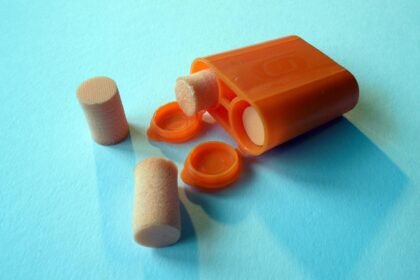
For a dedicated shooting range, an NRR in the mid-to-high 20s is a meaningful entry point for well-fitting earmuffs or earplugs. It generally offers substantially more margin than low-rated casual hea...
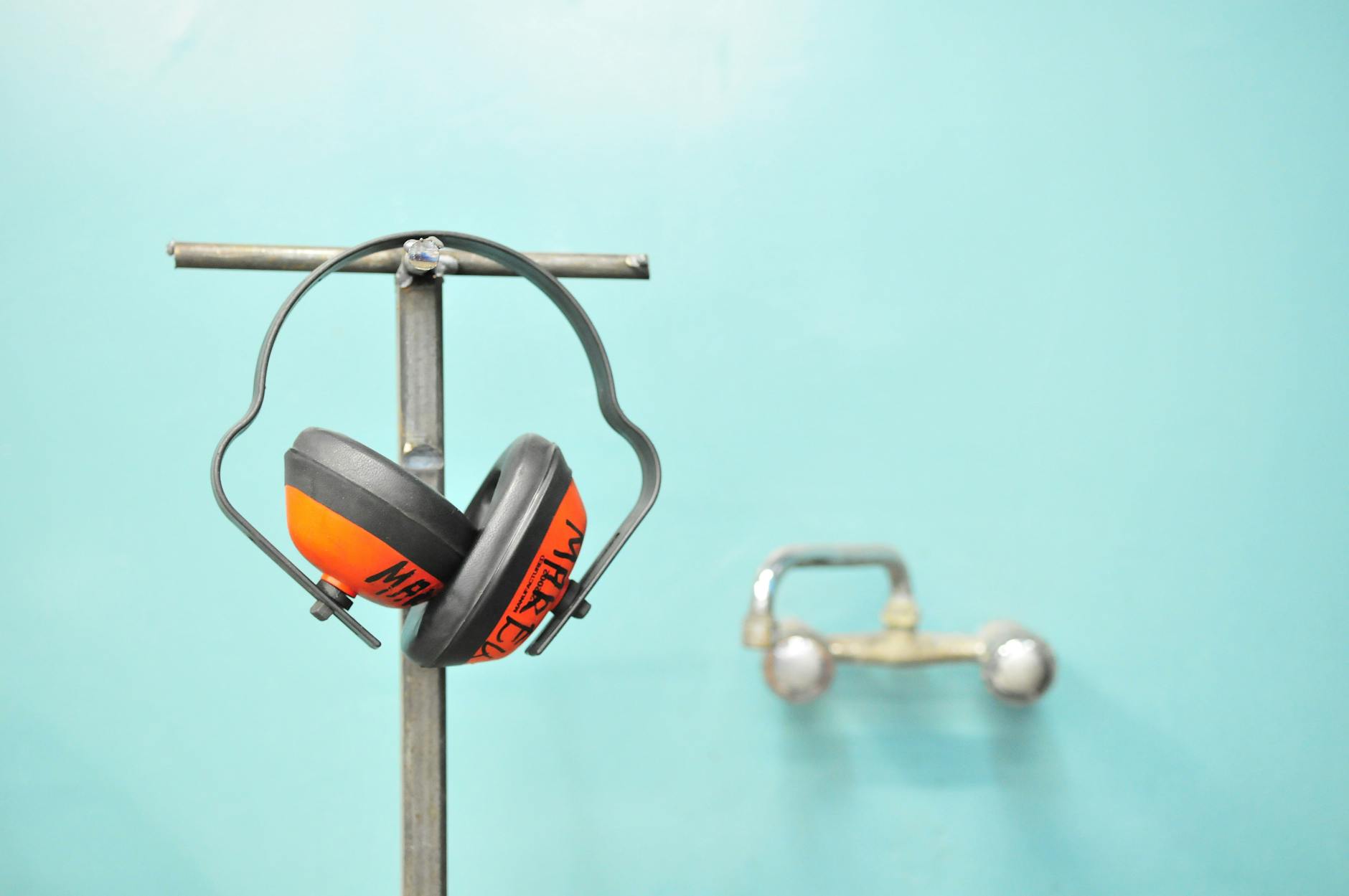
Noise Reduction Rating (NRR) is a standardized U.S. laboratory rating for how much sound a protector reduced under controlled test conditions. It is useful for comparing similarly certified earmuffs a...
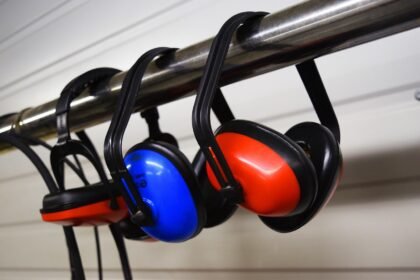
NRR is best read as a lab comparison number, not a promise of real-world attenuation. It helps rank products under controlled test conditions, but field performance often lands lower. That gap matters...

Earmuffs can be enough in some indoor setups, but they are not automatically enough. Their real-world adequacy depends on four variables working together: the firearm and load, the room’s acoustics, t...