
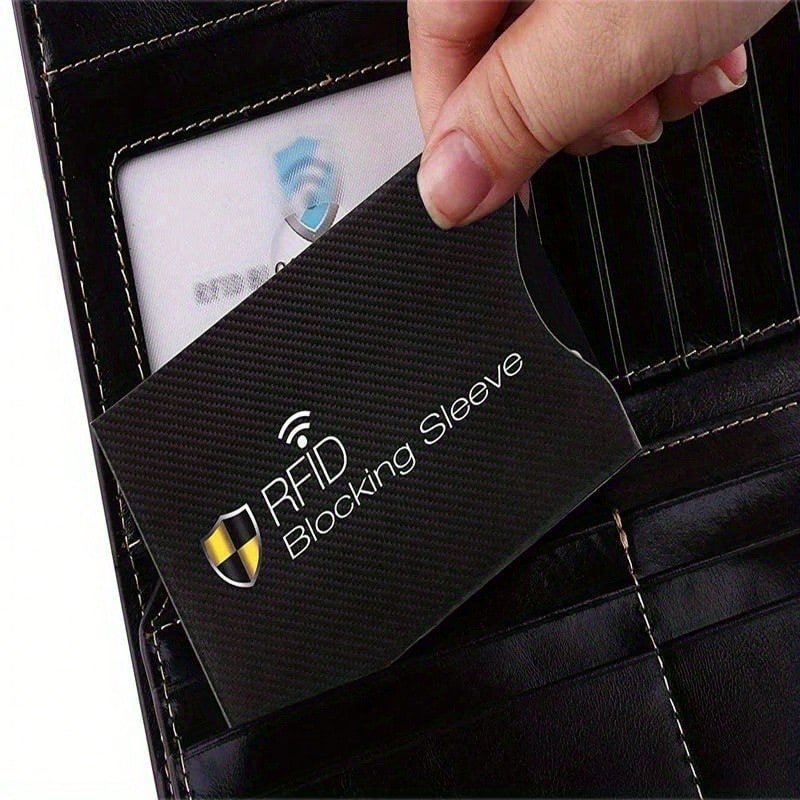
Not all alarmist RFID headlines reflect typical risk.
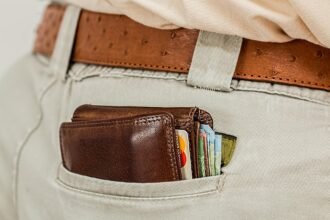
A crowded subway: a wallet close to a stranger’s reader. Headlines promise ‘silent theft,’ but real attacks need very close proximity, powered readers, and vulnerable cards. Blocking sleeves trade convenience for marginal protection — they add bulk, can complicate legitimate contactless use, and risk a false sense of safety. Assess protection by a specific threat model.
- Older RFID-only badges vulnerable
- EMV/contactless payments use tokenization
- Skimming generally requires very close range
How contactless payments actually work — and what makes skimming hard
Contactless payments use short-range protocols and cryptographic protections; opportunistic long‑distance skimming is uncommon.
Most cards and phones implement ISO 14443 (13.56 MHz) with effective read ranges typically under 10 cm. EMV contactless transactions generate dynamic cryptograms per transaction, so intercepted radio data rarely lets an attacker replay or create valid payments.
Reading static PANs is sometimes possible, but cloning modern EMV contactless cards to perform transactions is difficult.
Tokenization and dynamic authentication mean a stolen PAN alone often won’t authorize payments; cloning requires capturing authentication counters, keys, or exploiting weak implementations — not trivial with off‑the‑shelf gear.
Opportunistic reads have been demonstrated but require proximity, tuned antennas, power, and time; large-scale covert harvesting is impractical.
Successful attacks need a powered reader, antenna alignment, and often repeated attempts; environmental noise and card orientation reduce success rates, and issuers monitor anomalous patterns.
Why 'RFID‑blocking' labels aren't proof
Label alone doesn’t ensure shielding; effective protection needs a continuous conductive enclosure for the relevant frequency bands.
A Faraday‑cage effect requires an unbroken conductive barrier; seams, nonconductive windows, or small gaps permit fields.
Not all metallic linings attenuate payments/ID frequencies; thickness, patterning, and continuity matter.
Thin foil, perforated fabric, or printed inks may leak RF at card frequencies.
Full shielding can block legitimate taps; many designs use flaps or removable sleeves to restore access.
Permanent blocking prevents a reader from energizing or communicating with the card.
Inspect for an unbroken conductive enclosure and closed seams.
Request frequency range and attenuation (dB) or an independent test.
Simple functional check: with card inside, attempt a legitimate tap at a reader.
Prefer designs with removable sleeves or selective windows if access is needed.
Treat vague “RFID safe” claims skeptically without data.
Which designs actually block—and where they fail
- Single-card sleevesThin foil or metallised sleeves can provide strong attenuation for a single card when fully enclosing it; their simplicity makes testing and verification easier. However, effectiveness collapses if the sleeve leaves edges exposed or is torn.Look forComplete enclosure and independent attenuation dataAvoidOpen-ended sleeves or visible tears/gaps
- Lined (textile) walletsWallets with an internal conductive lining balance everyday use and blocking; a continuous, well-bonded liner will attenuate fields without bulky metal. Patchy liners, stitched gaps, or thin decorative layers commonly reduce performance.Look forContinuous conductive liner covering card pocketsAvoidInterrupted liner, exposed pocket seams, or foil stickers
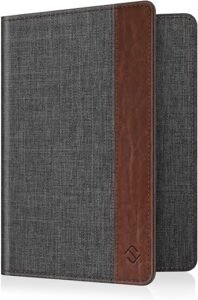
- Metal-bodied designsSolid metal wallets or card carriers can act as effective Faraday enclosures but introduce other issues: they must isolate cards from the metal and avoid grounding through contact with other objects. Poorly designed cutouts or direct contact can negate benefits.Look forClosed conductive shell with insulated card mountsAvoidDirect card-to-metal contact or large decorative openings
- Seams, fit and coverage (common failure modes)Most failures stem from incomplete coverage: seams, stitching holes, overlapping closures and loose fits create leakage paths. Independent attenuation measurements or clear construction photos help reveal these weak points.Look forOverlap closures, tight fit, and visible continuous shieldingAvoidExposed card edges, decorative perforations, or loose pockets
When an RFID blocker makes sense
Situations where blocking adds measurable value
- Travel with RFID passports or multiple travel documents. Airports and border queues increase close‑contact exposure time; a properly shielded sleeve reduces the small but real risk of unwanted reads.
- Frequent use of crowded public transit or mass events. Dense, close‑quarters foot traffic raises the chance of a reader being momentarily within range. A barrier can be meaningful during prolonged rush‑hour commutes.
- Older proximity tags and legacy access cards. Cards that lack modern cryptographic protections are easier to interrogate; physical shielding provides clear protection for those items.
When blockers add little value
Everyday urban use—tap‑to‑pay cards and modern access badges—typically employ short range and dynamic cryptography, making opportunistic skimming unlikely. If cards are kept in a wallet or pocket, incremental benefit from a blocker is often small.
Alternatives and behavioral mitigations
- Carry sensitive cards in inner pockets or a zipped compartment.
- Use single-card sleeves only while traveling or in dense crowds rather than permanent solutions.
- Remove unnecessary RFID tags from bags or clothing.
- Prefer tokenized mobile payments or cards with EMV/contactless security where available, and monitor account activity for anomalies.
Choosing a blocker depends on specific routines and asset types rather than a universal need.
-
Map the realistic threat
Identify specific contexts where skimming is plausible (frequent international travel, very crowded transit, or close-contact events) and how often they occur.
-
Inventory contactless credentials
Note which cards are legacy RFID tags versus modern contactless EMV; legacy/static tags carry higher skimming value.
-
Require test evidence
Prioritize products with published attenuation numbers or independent lab results rather than marketing buzzwords.
-
Verify form‑factor and fit
Look for continuous conductive coverage without gaps at seams or openings; fit matters almost as much as material.
-
Compare behavioral and design alternatives
Weigh simple mitigations (inner pockets, removing a card) and non-blocking travel sleeves that balance access and protection.
-
Decide by cost–risk alignment
If exposure frequency and card mix justify it and tests confirm attenuation, purchase a well‑tested blocker; otherwise prioritize low‑friction habits.
Verdict
- For routine daily use, RFID blockers usually add marginal protection.
- Purchase only when independent attenuation data matches the stated use case.
- If bought, choose a well‑fitted design with documented performance.
Verdict: RFID blockers are a conditional, not universal, tool. They make sense for repeated travel, crowded close‑contact exposure, or many legacy tags — provided the product’s attenuation is documented. Otherwise, low-effort behavioral measures are often a more cost‑effective choice.





6 Comments
In short: buy a blocker only if you travel a lot, use legacy cards, or want peace of mind — otherwise skip it.
So is it fair to say most modern contactless cards are already safe unless you have a really old RFID‑only one? Seems like marketing is milking fears.
Yes, that’s a reasonable summary. Modern cards use dynamic cryptography which makes casual skimming very difficult. The article’s checklist focuses on when residual risk (old cards, crowded travel) justifies buying a verified blocker.
I had no idea that seams and fit could make a blocker useless.
I bought a cheap wallet with a metallic lining last year and assumed it protected me — now I’m second-guessing that purchase.
Does anyone know a reliable way to test attenuation at home without fancy gear? I could try the paperclip-phone trick but not sure if that proves anything.
Also, the point about labels needing specs or independent tests is huge. If a seller just slaps “RFID‑blocking” on, that’s basically meaningless.
You can do a simple practical check: try tapping your own contactless card to a reader (or your phone if it supports NFC payments) while it’s inside the blocker. If the reader still registers, the blocker likely doesn’t provide continuous attenuation.
It’s not a lab attenuation value, but it helps verify whether the blocker prevents a normal read at typical use range.
I did that with an old reader I had — worked well as a quick check. If the card fails to register when fully enclosed, it’s probably ok for casual use. Not perfect but better than nothing.