Every dollar saved on price usually shifts risk onto materials, ergonomics, or the lock — know which trade-offs matter most.
Standing at a display or scrolling through specs with a $50 cap, the anxieties are familiar: will the blade hold an edge, will the lock stay safe after months of use, and will the knife actually fit comfortably in a pocket? Under this price point, expect compromises but not failure: good designs and honest steel choices can still deliver reliable daily performance.
The real decision comes down to three tight trade-offs. Materials vs cost determines edge retention and corrosion resistance — many sub-$50 blades use stainless steels like 8Cr13MoV, AUS-8, or 3Cr13 with variable heat treatment quality. Compactness vs ergonomics forces a choice between discreet carry and a handle that reduces fatigue; short blades and slim handles are common. Deployment vs lock safety means simple, proven mechanisms (liner lock, lockback) are more prevalent than advanced axis or ball-bearing flippers; inspect for blade play and lock engagement before buying. Knowing these pressure points makes the shortlist meaningful rather than hopeful.
- Typical steels: 8Cr13MoV, AUS‑8, 440C/3Cr13 — expect regular maintenance for best performance.
- Common blade lengths for EDC: about 2.5–3.5 inches—balance concealment and utility.
- Frequent, reliable locks under $50: liner locks and lockbacks; axis-style locks are rarer.

Hands-on Evaluation Methodology
Real-world tasks and repeatable measurements guided the tests to reflect daily carry use rather than laboratory extremes. Every knife underwent the same sequence of cutting, mechanical, and durability checks to keep comparisons apples-to-apples.
-
Cutting performance
A mix of common EDC cuts — cardboard, paper, cord/rope, denim and light food prep — assessed initial sharpness, slicing ability and edge retention. Sharpness was tracked with controlled paper-slice and push-cut checks and by counting repeatable cuts until the edge noticeably lost bite.
-
Mechanical fit, lock and deployment
Lockup percentage, lateral blade play, and lock travel were inspected and recorded; opening smoothness and detent strength were judged by consistent one-handed deployment and subjective feel. Play and stick were checked after break-in cycles to reveal tolerances and likely long-term behavior.
-
Durability, corrosion and maintenance
Blades and hardware saw accelerated wear through repeated open/close cycles and realistic stress (light prying and tip work) while avoiding destructive misuse. Corrosion resistance was evaluated with brief saltwater exposure and humid storage, followed by cleaning to simulate real-life maintenance needs.
Priority checklist for sub‑$50 EDC folders
- Steel, heat treat and blade geometryBlade alloy and how it’s heat‑treated determine edge retention and toughness more than nominal steel name. Grind profile (flat, hollow, saber) governs cutting performance and how easy the knife is to resharpen; match geometry to typical tasks. For a deeper primer, see how to choose an EDC knife.What to prioritizeKnown stainless alloy with sensible heat treat and a task‑appropriate grind.What to avoidUnknown or brittle heat‑treated steel and impractical ultra‑thin grinds.
- Lock mechanism and deployment reliabilityA solid lock with good engagement geometry keeps the blade safe under load; deployment should be repeatable without excessive detent force. Check for consistent lockup, smooth pivot action, and minimal blade play in both open and closed positions.What to prioritizeFirm lockup, smooth deployment (flipper/thumbstud), minimal side‑to‑side play.What to avoidLoose lockup, heavy flipper detents, or detectable wobble.
- Fit, finish, and tolerancesTolerances reveal manufacturing quality: even grinds, centered blades, chamfered edges, and stable clip retention matter for daily use. Small issues often predict larger durability or corrosion problems down the road.What to prioritizeClean grinds, centered blade, tight tolerances, and a secure clip.What to avoidRough finishes, misaligned blades, loose screws, or flaking coatings.
- Carry ergonomics and serviceabilityComfort in the pocket, clip style, weight, and the ability to strip and maintain the knife extend useful life. Prefer standard hardware that allows pivot adjustment and routine cleaning or re‑sharpening.What to prioritizeDeep‑carry or secure clip, balanced weight, and standard screws for service.What to avoidProprietary fasteners, awkward clip placement, or sealed designs that prevent maintenance.
01
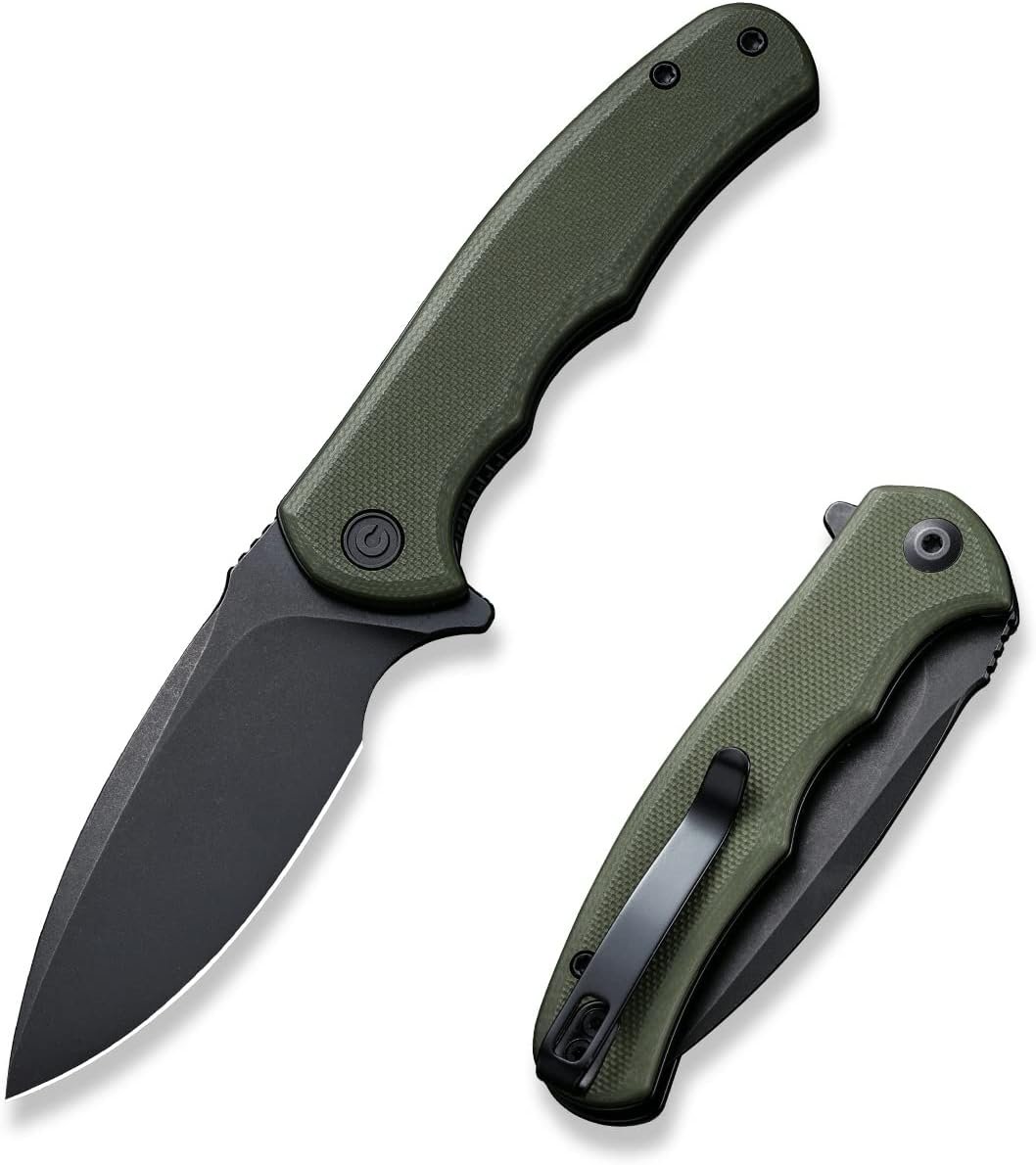
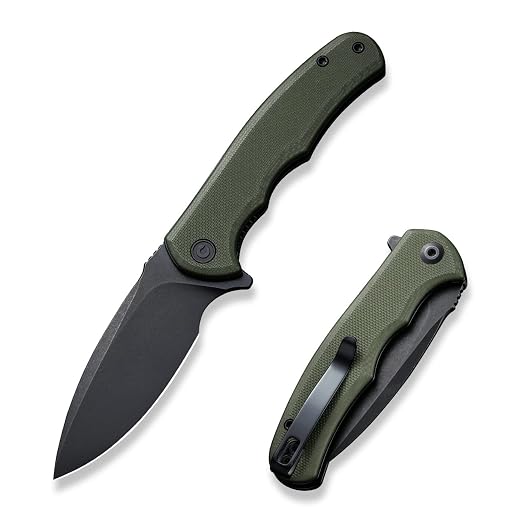
D2 steel, G10 grip, snappy deployment
Compact everyday folder that blends hard-wearing D2 steel and a grippy G10 scale with a flipper/ball-bearing pivot for fast one-handed deployment. Suited to carry styles that value snappy action, precise slicing, and a refined, tool‑grade feel in a pocket‑friendly package.
- D2 blade — strong edge retention and easy to sharpen
- Ceramic ball-bearing pivot yields exceptionally snappy deployment
- G10 handle is durable, comfortable, and weather‑resistant
- Tight fit-and-finish — minimal play, confident lockup
- Short blade limits long-reach cutting tasks
- Not intended for heavy prying or batoning
CIVIVI Mini Praxis pairs a near‑3‑inch D2 blade with a ceramic ball‑bearing flipper pivot and G10 scales to deliver an unexpectedly refined user experience at an affordable tier. The blade’s geometry is balanced for slicing and light detail work, and the stonewashed D2 finish both hides wear and maintains cutting performance between touch-ups. Deployment is a standout: a crisp detent and smooth bearing pivot give rapid, repeatable openings while the blade centers and locks with minimal lateral play. Fit‑and‑finish is where the Mini Praxis punches above its price — tight tolerances, clean edge work, and comfortable handle contours make it feel like a higher‑end folder in hand. The primary compromise is reach: the sub‑3‑inch blade limits tasks that demand extended cutting length or heavy leverage. For everyday carry focused on slice quality, deployment, and a premium feel in a compact footprint, the Mini Praxis is the most versatile choice in this price bracket.
Assisted opening with reversible clip
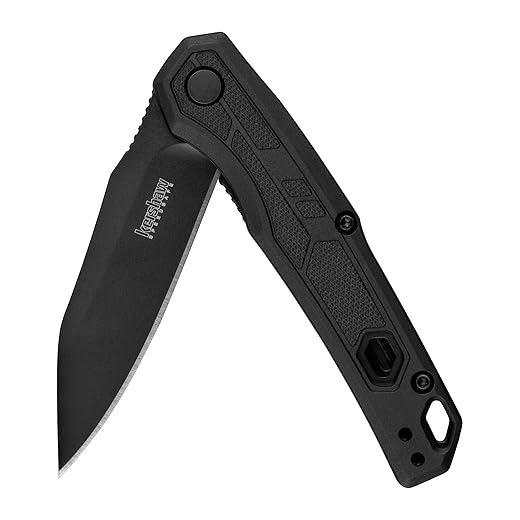
Minimalist commuter blade for pocket-first carry: the Kershaw Appa pares down size and weight into a sub‑3″ reverse‑tanto folder that disappears in a pocket while remaining ready for quick tasks. Ideal for daily urban carry where low bulk and fast assisted deployment matter more than heavy‑duty chopping.
- Very light and pocketable
- Fast assisted opening
- Secure liner lock
- Reversible clip and lanyard hole
- Glass‑filled nylon handle less impact‑resistant than metal
- Blade steel/edge retention is modest versus premium alloys
- Small blade limits heavy cutting leverage
Kershaw Appa nails the minimalist brief: tiny footprint, featherweight construction, and assisted opening that makes single‑hand deployment effortless. Not designed as a hard‑use tool — the glass‑filled nylon handle and everyday blade steel save cost and weight at the expense of ultimate toughness and edge longevity. For commuters wanting an unobtrusive, ready blade, it represents the best performance-per-dollar compromise in this list.
7.1in blade length, serrated edge
Rugged workhorse for utility carry. The Smith & Wesson Extreme Ops is a no-frills folding knife built around thicker blade stock, a serrated clip‑point profile, and an aluminum handle—designed for users who need a durable, easy‑to‑service tool rather than a showpiece. It suits trades, outdoor chores, and anyone who favors predictable performance and straightforward upkeep over refined finish.
- Thicker blade stock resists chipping and bends under heavy use
- Simple liner‑lock and ambidextrous deployment reduce failure points
- Serrations cut rope and fibrous materials efficiently
- Aluminum handle keeps weight reasonable while staying tough
- Very affordable with an approachable maintenance profile
- 7Cr17Mov/black oxide is easy to sharpen but won’t hold premium edges
- Serrations complicate full-knife sharpening
- Fit-and-finish is utilitarian rather than refined
- Pocket profile and weight are bulkier than sleeker EDC folders
The Extreme Ops is a pragmatic choice when durability and field reparability matter most. Thick stock, a straightforward liner lock, and common steel chemistry make maintenance predictable—easy stropping, simple sharpening, and basic pivot/lock service. Those who prioritize long edge retention or elegant finish will find trade‑offs, but for utility tasks this knife delivers reliable, low‑stress performance.
| Editor score | Primary strength | Deployment & lock | Carry comfort | ||
|---|---|---|---|---|---|
|
CIVIVI Mini Praxis: Compact EDC Powerhouse best overall pick | 9.0/10 | Edge retention | Flipper, quick deploy | Buy | |
|
Kershaw Appa: Lightweight All-Black EDC Pocket Knife best budget option | 8.5/10 | Pocketability | Assisted open | Buy | |
|
Smith & Wesson Extreme Ops: Solid Budget Folder best under $50 | 8.0/10 | Durability | Thumb stud, liner lock | Buy |
Maintenance & quick fixes
Routine maintenance preserves edge life, smooth action, and lock reliability—especially on common sub‑$50 steels. A compact tool kit and a weekly once‑over prevent most failures.
Quick at‑home maintenance
- Clean the pivot and lock face with a cotton swab and isopropyl or mild solvent to remove lint and grit.
- Inspect and hand‑tighten hardware with the correct Torx/driver; use a removable threadlocker if screws back out often.
- Lightly lubricate the pivot and lock interface with a drop of light oil; wipe excess.
- Maintain the edge: progress from a coarse to a fine stone (or a ceramic rod), then strop. For 8Cr13MoV/AUS‑8, aim ~20–22° per side.
Simple field repairs
- Remove burrs with a ceramic rod or denim strop. A pocket sharpening stone restores a working edge quickly.
- If deployment sticks, clean and relube pivot; if play appears, gently adjust pivot tension—avoid over‑torquing.
Essential kit: small Torx set, pocket stone (1000–3000 grit), ceramic rod, light oil, microfiber cloth.
Avoid prying or using the blade as a screwdriver—that chips edges and stresses pivots. Do not over‑tighten pivot screws; finger‑tight plus a fraction turn is usually enough to preload without binding.
Common misconceptions about affordable EDC knives
Many sub‑$50 knives use 8Cr13MoV, AUS‑8 or even D2; proper geometry and heat treatment give serviceable edge life.
Edge retention depends more on steel grade, heat treat and blade geometry than price alone.
Several budget models ship with smooth detents and secure liner or lockback lockups; pivots are often adjustable.
Improved mass‑production QC and simple, robust mechanisms let manufacturers deliver competent action affordably.
Most use standard screws and uncomplicated mechanics that accept routine sharpening, cleaning, and part replacement.
Standard hardware, removable clips, and plain pivots make field maintenance and aftermarket upgrades straightforward.
Fit and finish vary; many sub‑$50 knives show tight tolerances and clean edge work straight from the factory.
Manufacturers trade off cosmetic polish versus functional tolerances; inspection and simple tuning remedy most issues.
Pre-purchase Checklist & Final Picks
- Confirm steel and edge geometry — thinner for slicing, thicker for abuse.
- Verify lock engagement and absence of blade play; test deployment smoothness.
- Check pocket clip position, retention, and reversibility for preferred carry style.
CIVIVI Mini Praxis — best overall: compact flipper that delivers near‑premium action and finish for everyday urban carry. Kershaw Appa — best budget: ultralight, stealthy profile for minimal, low‑effort tasks. Smith & Wesson Extreme Ops — best heavy‑duty under‑$50: thick stock, simple mechanics, and easy field service for tool‑first users. Match the knife to how it will be carried: office/urban carry favors the Praxis’s refined action and short reach; minimalists and frequent pocketers prioritize the Appa’s low weight and discreet clip; hands‑on or utility‑heavy users prioritize the Extreme Ops’ robustness and serviceability.