
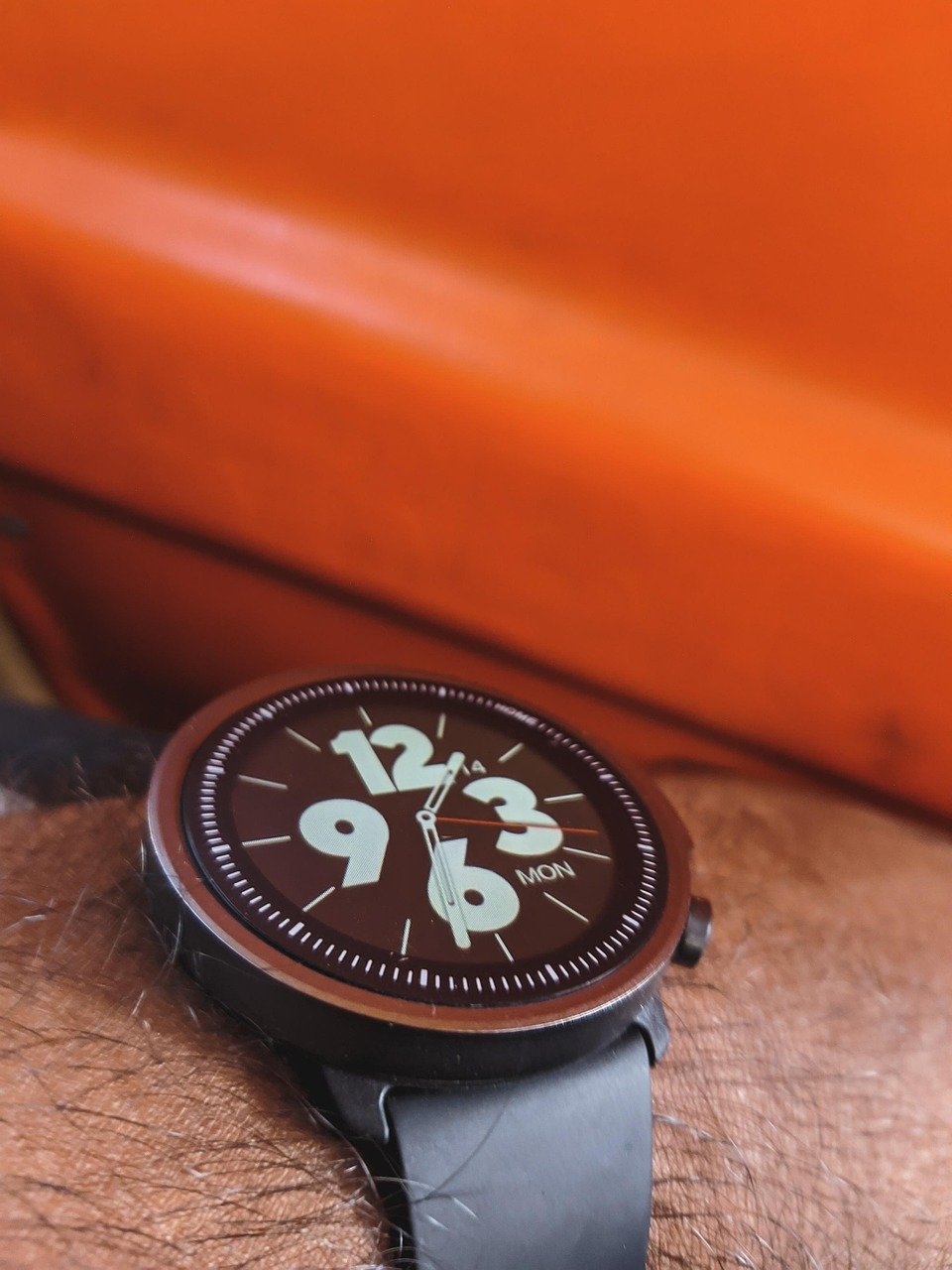
Night tracking is only useful when the watch fades into the background.
A glowing screen, a strap that catches on bedding, or a sensor pressing into the wrist can make even a light watch feel conspicuous at 2 a.m. For many people, overnight wear is entirely feasible; for others, the interruption outweighs the data. Fit, case thickness, band material, skin sensitivity, and the habit of sleeping on one’s arm all matter.
Most watches can reduce distraction through Sleep Focus or similar modes: the display stays dark, alerts are silenced, and wrist-raise activation may be limited. The optical sensor still samples pulse-related signals, movement, and sometimes temperature or oxygen-related estimates. Those readings are useful for spotting broad patterns, but sleep-stage labels are algorithmic estimates—not a direct measurement of brain activity. A comfortably loose-enough, clean band generally makes sustained tracking more realistic than forcing an uncomfortable fit.
What a smartwatch can—and cannot—tell from a night of sleep
Which signals does a smartwatch collect overnight?
Most watches combine wrist motion from an accelerometer and gyroscope with optical pulse data (PPG) to estimate heart rate and heart-rate variability. Some models also record skin temperature trends, blood-oxygen readings, respiratory-rate estimates, snoring or ambient sound, and time in bed.
How are sleep stages estimated?
The watch feeds movement and cardiovascular patterns into a model trained against laboratory sleep studies, then labels periods as awake, light, deep, or REM sleep. It does not measure brain waves directly, so it cannot observe sleep stages with the precision of EEG-based polysomnography.
Why can a stage chart look precise but be wrong?
A five-minute block labeled “deep” is a probability-based classification, not a direct reading of the brain. Loose fit, tattoos, cold skin, motion, low blood flow, firmware changes, alcohol, illness, and an unusual bedtime can all affect the underlying signal or the model’s interpretation.
What is overnight tracking most useful for?
Repeated measurements can reveal patterns such as a shifting sleep schedule, unusually frequent awakenings, or a sustained change in resting heart rate. A single night’s score or stage total is much less informative, especially when it conflicts with how rested a person feels.
How a Watch Turns Signals Into Sleep Results
How does a smartwatch turn raw signals into a sleep record?
An accelerometer records movement while optical pulse sensing tracks beat timing and related variability. Firmware filters poor skin contact and motion artefacts, then classifies short time blocks—often around 30 seconds—with a proprietary model.
What produces duration and disruption totals?
Those classified blocks are joined into estimated sleep onset, wake periods, total duration, and interruptions. Brief awakenings may be missed, merged, or counted differently depending on the device’s thresholds.
Why do sleep stages differ between brands?
Consumer watches infer stages from movement and pulse patterns rather than directly measuring brain activity. Different sensor hardware, signal-quality rules, training data, and scoring definitions can produce notably different REM, deep, and awake charts from the same night.
What does a sleep score actually summarize?
A score usually combines duration, timing regularity, estimated awakenings, and stage or recovery proxies into one brand-specific number. Its most informative use is comparison across many nights in the same device and app, not comparison with another brand’s scale.
What if a smartwatch is uncomfortable or distracting at night?
Why can a watch feel much worse in bed than during the day?
A case that seems modest at a desk can press into the wrist when the arm is bent under a pillow. Loose bands can rotate and interrupt sensor contact, while tight bands trap heat and sweat; a softer, breathable band often changes the experience more than the watch itself.
How can overnight alerts be kept from breaking sleep?
Sleep or Focus modes can silence calls, app alerts, wrist taps, and screen wake gestures while preserving overnight recording. A dimmed display, disabled raise-to-wake setting, and a charging routine completed before bedtime remove common reasons to check the screen.
Is charging a practical obstacle to sleep tracking?
It can be: a watch charged during an evening wind-down, shower, or morning routine has less need for bedside charging. Battery-saving modes may extend runtime, but some models limit pulse, oxygen, or other overnight measurements in those modes, so the recorded metrics can change.
When does it make sense to stop wearing the watch overnight?
Persistent pressure marks, itching, rash-like changes, overheating, or disrupted sleep are meaningful reasons to pause and reassess the setup. It is also reasonable to take breaks when sleep scores create worry or compulsive checking; several nights of missing data do not erase the value of longer-term patterns.
Enable the device’s sleep-focused mode, silence haptics and notifications, and prevent the screen from waking with wrist movement. Charge earlier in the evening rather than treating bedtime as a charging deadline.
A watch that causes ongoing discomfort or makes sleep data feel high-stakes can be left off. Tracking is optional; restful sleep is not a performance report.
What makes a smartwatch workable through the night?
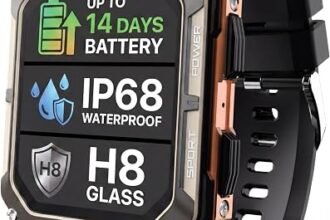
- Battery margin, not just a sleep claimA watch that can cover several nights without a recharge makes sleep data less likely to disappear when charging is forgotten. That reserve also matters on multi-day trips with a smartwatch, where daytime GPS use can change the equation.Look forSeveral-night headroom under real daily useAvoidA nightly charging requirement with little reserve
- A genuinely quiet night modeSleep controls should mute alerts, prevent accidental screen wakes, and keep the display dim. Restrained, low-light time checks can be more useful than a screen that brightens with every wrist movement.Look forConfigurable sleep focus and low-brightness display behaviorAvoidPersistent notifications or aggressive raise-to-wake
- Stable contact without pressureOptical pulse sensors need consistent skin contact, but a tight band can become distracting as the wrist changes position. A lighter case and flexible band often matter more overnight than premium daytime materials.Look forReliable readings from a comfortable, adjustable fitAvoidA bulky case or band that shifts during sleep
- Useful trends for real schedulesNaps, split sleep, and irregular bedtimes are not handled equally across platforms. Trend views, data export or deletion controls, and clear privacy settings can matter more than a single nightly score.Look forNap detection, multi-night trends, and transparent data controlsAvoidScore-only reporting or unclear data retention

Read the Pattern, Not the Score
What should be compared first?
Recurring bed and wake timing, total duration, and interruptions reveal more than an isolated readiness score. One disrupted night is usually noise unless a pattern repeats.
Are stage percentages meaningful?
They are wellness estimates derived from movement and pulse patterns, not measurements of brain activity. A watch is most useful when compared with its own earlier data; it cannot diagnose a sleep condition.
Which changes deserve attention?
A sustained departure from the usual pattern can provide useful context, particularly when it coincides with daytime concerns. It is an observation, not a conclusion about cause.
-
Keep the setup quiet
Enable sleep mode, mute alerts, and avoid checking the display after lights-out.
-
Review weekly, not nightly
Scan for persistent shifts in timing, duration, and awakenings rather than chasing daily scores.
-
Add context
Travel, late meals, training, illness, and alcohol can explain unusual nights.
-
Pause when tracking adds pressure
If the numbers make bedtime more tense, leaving the watch off overnight is a valid choice.
Let Sleep Remain Sleep
Useful tracking stays in the background. Its value lies in noticing recurring shifts, not in achieving a higher score or a particular stage chart. When attention to the data begins to disturb rest, less tracking can be the more helpful outcome.




3 Comments
Does wearing it fairly loose make the heart-rate data basically useless? I hate a tight band while sleeping, but if I tighten it enough to stay put I wake up with a little mark on my wrist.
It does not need to be painfully tight. The goal is steady skin contact: snug enough that the sensor does not slide or rotate when you move, but loose enough to be comfortable. If you regularly see gaps in overnight heart-rate readings, try a softer fabric band or move the watch slightly higher up your arm rather than simply cranking the strap tighter.
Notification controls are the dealbreaker for me. Even one random group-chat buzz at 1:12 a.m. makes me want to launch the watch into the sea. Sleep mode plus an alarm that only vibrates has been great, though.