
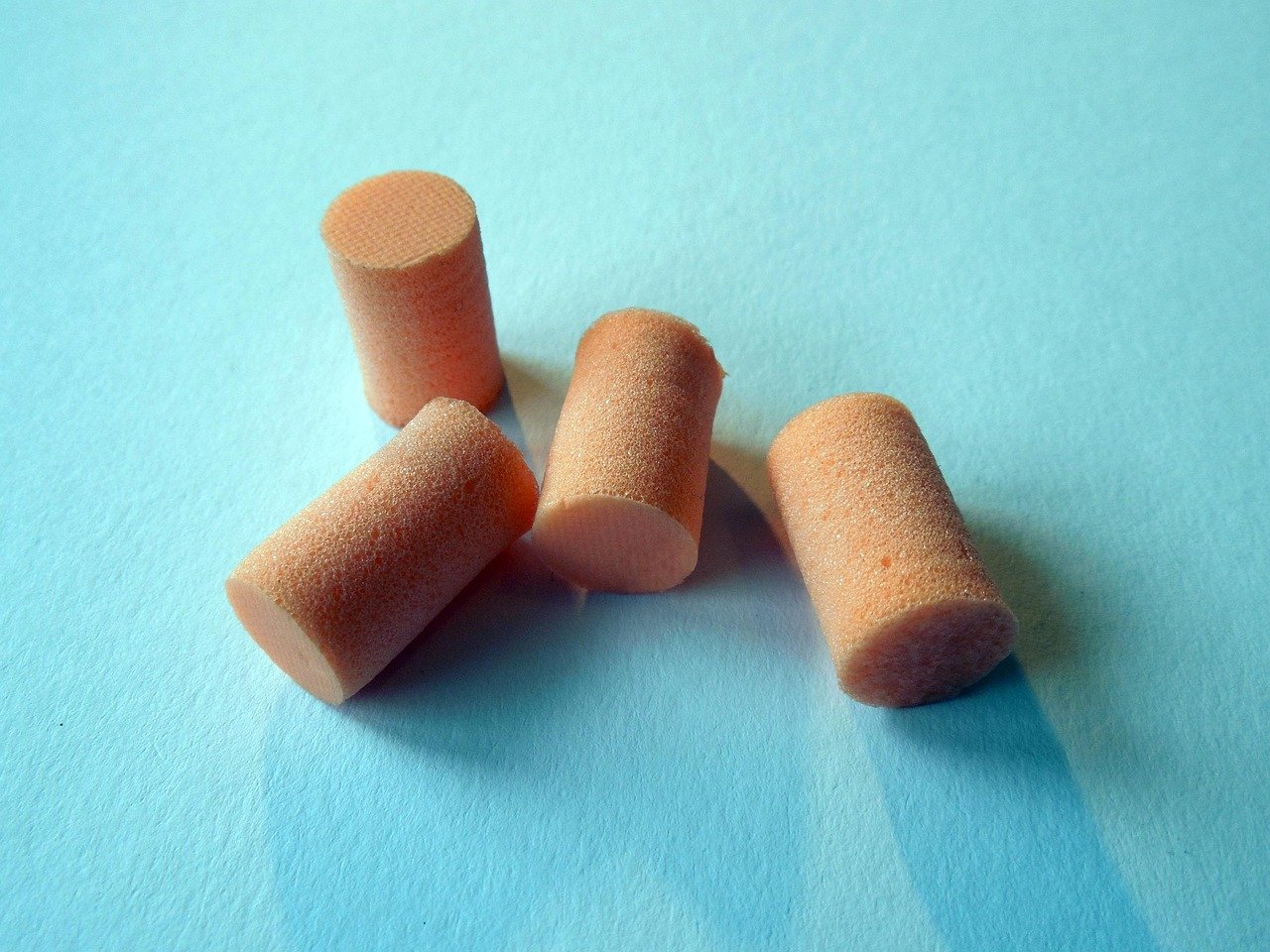
At an indoor range, the sharpest report is not always the one from the lane being used.
A shot cracks, then its blast ricochets off the roof, lane dividers, and concrete walls; the next peak may come from a short-barreled firearm several bays away. That is why shooting ear protection cannot be ranked by a single “quietest” claim. The tested attenuation rating matters, but only when the protector seals correctly and stays sealed through cheek weld, eyewear arms, sweat, and head movement.
For this environment, an earmuff-and-plug combination often provides more practical margin than either alone, especially beside high-volume rifles or under a hard canopy. Electronic muffs add situational awareness, yet their amplification circuitry does not replace passive attenuation. Compare the rating under its stated test standard, then consider cup depth or plug geometry, clamp force, and whether the fit remains consistent for an entire session.
- A 26 dB rating is a laboratory result, not a promise of identical reduction at every frequency or fit.
The short list, ranked by real-world protection


A rating is only the starting point
Each contender was assessed from its documentation outward: stated attenuation, named test standard or conformity claim, and the physical features that can make that claim repeatable—or fragile—on an indoor firing line.
NRR, SNR, JIS, and other dB labels come from different test protocols and regulatory contexts; they are not convertible by simply comparing the numbers. For context on the NRR worth looking for, the rating guide explains the label’s limits.
Muff cup depth, cushion material, clamping force, headband stability, and plug geometry all affect leakage. Glasses arms, hair, jaw movement, and imperfect insertion can reduce effective attenuation.
Low-profile plugs were considered as a backup layer under muffs, while electronic muffs were assessed for whether their cups can maintain a dependable seal when used over plugs.
A published attenuation value describes controlled testing, not a guaranteed reduction from every indoor shot. Fit and seal consistency can matter more than a small difference between headline ratings, particularly with sharp reflected blast.
The indoor-range seal test
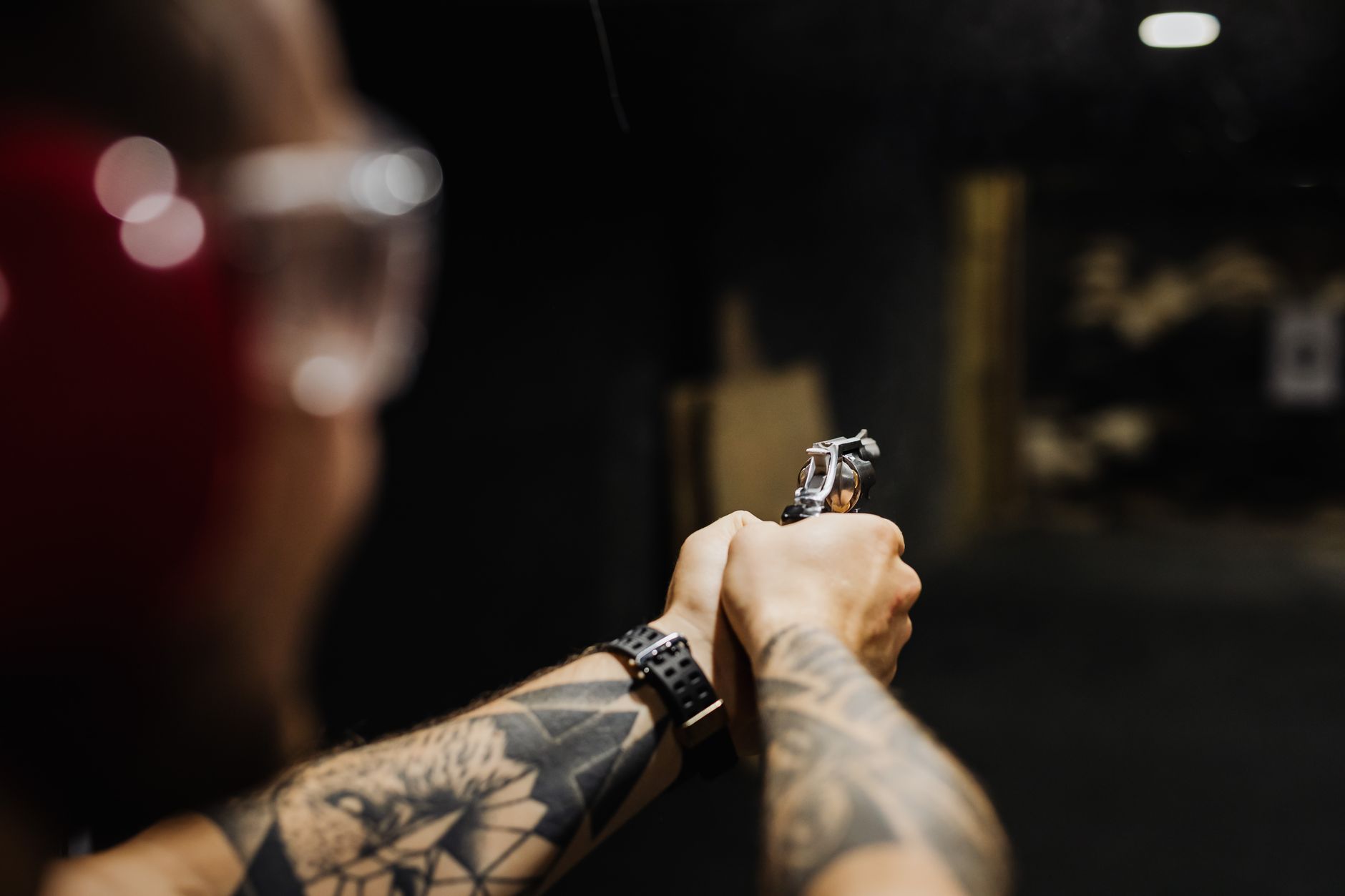
Indoor bays multiply the challenge. Concrete, steel, and lane partitions reflect muzzle blast back toward the shooter; a braked rifle on the next lane can be louder at the ear than the firearm being fired. Short lane spacing also means repeated impulses arrive before the environment feels quiet again.
A published rating assumes a controlled fit. In use, eyeglass temples, thick hair, cap seams, jaw movement, and flattened ear cushions can open tiny gaps in an earmuff seal. Plugs lose ground when inserted shallowly or when the stem is tugged loose during movement. The practical question of whether earmuffs alone are enough for indoor range noise depends as much on those details as the number on the box.
Electronic earmuffs are not inherently weaker. Their microphones amplify low-level sound and their circuitry limits amplified peaks; their passive cups still provide the underlying attenuation. Protection varies by cup design, cushion condition, and seal—not simply by whether the model uses electronics.
SureFire EP5: a low-profile plug for use under muffs
01
Top choice for high-rated, conversation-friendly hearing protection
The SureFire EP5 Sonic Defenders Max is a reusable, multi-flange plug with a stated 26 dB NRR when its filter caps are closed. Its slim external profile makes it a practical inner layer beneath over-ear protection, where bulky stems can disturb a muff cushion.
The caps are the key distinction: opened, they are intended to admit more ambient sound; closed, they prioritize the listed attenuation. That convenience does not make the EP5 a substitute for correctly fitted range protection.
- 26 dB NRR stated with caps closed
- Low profile beneath earmuffs
- Reusable multi-flange design
- Caps offer adjustable ambient access
- Rating depends on closed-cap configuration
- Fit is more technique-sensitive than muffs
- Open caps change the protection mode
Quick take A strong compact plug layer, provided the flanges seal consistently and the caps remain closed when maximum rated protection is needed.
The EP5 earns its place through low-profile, reusable protection rather than an unusually high published rating. Its 26 dB NRR applies with the caps closed; opening them for greater awareness is a different operating condition.
At an indoor range, insertion depth and a complete flange seal determine whether that figure translates into meaningful attenuation. Under well-sealed earmuffs, the EP5 is especially compelling as a compact second layer.
3M PELTOR H9A: the standalone seal-first pick
02
Best for straightforward, standards-compliant range protection
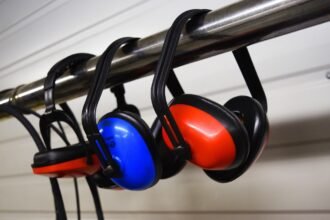
The H9A is a traditional headband earmuff built around a full circumaural cushion rather than electronics or a low-profile form. It suits indoor-range users seeking the most substantial standalone passive barrier, particularly where a consistently seated over-ear seal matters more than compactness.
Its listed JIS conformity is meaningful documentation, but the attenuation figure and test method on the exact regional H9A package remain the number to verify before comparing it with NRR- or SNR-labeled alternatives.
- Deep, full-cup passive seal
- Straightforward, battery-free design
- Listed JIS conformity
- Repeatable headband positioning
- Bulky around long-gun stocks
- Warm during extended sessions
- Eyeglass temples can break the seal
- No level-dependent audio
Quick take The H9A is the strongest uncomplicated earmuff choice here when its cups can sit flat and uninterrupted around the ears. Its real advantage is seal geometry, not an unverified cross-standard rating comparison.
For a standalone passive muff, the H9A’s full circumaural design offers the most convincing route to repeatable attenuation at an indoor range. Fit remains the deciding variable: thick eyewear arms, hair, cap seams, and a rifle stock pressing a cup aside can create a leak larger than a specification sheet suggests. Confirm the rating printed for the specific market and its test standard; it should not be treated as directly interchangeable with NRR or SNR figures.
Best for hunters who need communication and audio input
Awesafe’s electronic earmuffs suit shooters who want to hear range commands and conversation between strings without removing their protection. Built-in microphones amplify the outside world, then limit the amplified signal once it passes the stated 82 dB threshold; the passive cups still provide the actual barrier during a gunshot. Its published NRR 22 places it in a moderate-attenuation class, so seal quality matters especially in a reverberant indoor bay.
- Ambient-sound amplification
- Automatic 82 dB limiting
- Foldable for storage
- AUX audio input
- AAA-powered operation
- NRR 22 is moderate
- Electronics add upkeep
- Battery condition matters
- Eyewear can break seal
The key distinction is easy to miss: electronics manage what the microphones feed in; they do not create a higher passive noise rating. For indoor shooting, the NRR 22 cups need an uninterrupted cushion seal around glasses, hair, and headwear. AAA batteries, microphone ports, and cushions also merit routine checks, because a failed electronic function should not be confused with compromised passive protection.
- Very low-profile beneath earmuffs or communication headsets
- Filtered, vented design is more comfortable than a solid plug for extended wear
- Medium and large tips support a closer fit
- Washable plugs and included case suit a spare-pair role
- Not positioned as the highest-attenuation standalone option
- “20” is not automatically a 20 dB NRR
- Filtered plugs can leave too much impulse energy when used alone indoors
- Fit consistency still depends on correct tip sizing and insertion
The Shooting 20 earns its place through compatibility, not brute attenuation. Its low-profile, vented filter can sit unobtrusively beneath earmuffs or communications gear, where a second protective layer may matter more than plug-only performance.
Do not read “20” as a guaranteed 20 dB NRR. That designation is not a substitute for a documented attenuation rating; check Crescendo’s manufacturer documentation for the applicable test method, rating, and fitting details.
| Best use | Documented protection | Repeatable fit | Low profile | Layers under muffs | ||
|---|---|---|---|---|---|---|
|
3M PELTOR H9A JIS-Compliant Hearing Protection Best standalone | Standalone passive use | JIS T8161 EM | Check | |||
|
SureFire EP5 Max 26 dB Reusable Earplugs Best low-profile | Under earmuffs | NRR 26, caps closed | Check | |||
|
Awesafe Electronic Shooting Earmuffs With Sound Amplification Best communication | Range communication | NRR 22 | Check |
Run a seal check before entering the lane
-
Inspect every sealing surface
Look for flattened, hardened, split, or oily earmuff cushions. On reusable plugs, check that each flange is intact, clean, and free of nicks; a damaged edge can create a leak that is difficult to notice once range noise starts.
-
Seat plugs to their intended depth
With clean hands, gently straighten the ear canal by drawing the outer ear up and back, then insert the plug until its flanges seal comfortably and evenly. A plug sitting shallowly or tilted outward is not functioning as its rating assumes.
-
Center the muff cups over the ears
Place the headband squarely over the crown and let both cushions contact the head all the way around. Press lightly on each cup, then release; a clear change in outside sound can reveal a cushion that was not fully seated.
-
Find hard-contact leaks
Put on the usual shooting glasses, cap, and any communications gear. Thick temples, a cap seam, hair trapped under a cushion, or an eyewear arm crossing the rear cushion can break the seal.
-
Check movement, not just stillness
Simulate a cheek weld, look down at the bench, turn the head, and open the jaw. The protection is ready only if plugs remain seated and muff cushions stay closed through those motions.
Do not compare attenuation figures across different certification systems as though they were interchangeable. A well-documented rating is useful only when the product is worn in the tested configuration.
For double protection, the practical question is not whether two advertised numbers can be added. It is whether the plug stays seated while the muff still seals around eyewear and the rifle stock.
Pick the protection that keeps its seal
- The highest stated figure is less valuable than a configuration that remains correctly positioned during normal shooting movement.
- Eyewear temples and stock contact deserve a live fit test, not an assumption based on a mirror check.
For a standalone passive muff, the 3M PELTOR H9A is the strongest choice when its applicable documented rating is confirmed and its full cushions seal cleanly around the wearer’s eyewear. Its advantage is repeatable, uncomplicated coverage rather than extra features.
For indoor-range layering, the SureFire EP5 Max is the most useful companion under a compatible muff because its low-profile flanges reduce cup interference. The Awesafe Electronic Shooting Earmuffs suit sessions where amplified conversation and range commands matter, provided their cushions remain intact and batteries are maintained. The Crescendo Shooting 20 works best as a slim backup or under-muff option after its actual certified attenuation is verified. Compare like-for-like certified ratings, test with the real glasses and shooting gear, and favor the setup that stays secure for the whole session.

2 Comments
The bit about glasses breaking the seal is painfully real. I thought my muffs were fine until I changed to thinner temple arms and suddenly the indoor range was WAY less punishing. Tiny gap, huge difference.
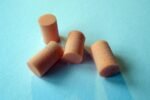
Would have liked to see at least one disposable foam plug in the comparison. They aren’t exciting, but for a beginner trying double protection on a $30-ish budget, they seem more realistic than buying specialty filtered plugs first.