
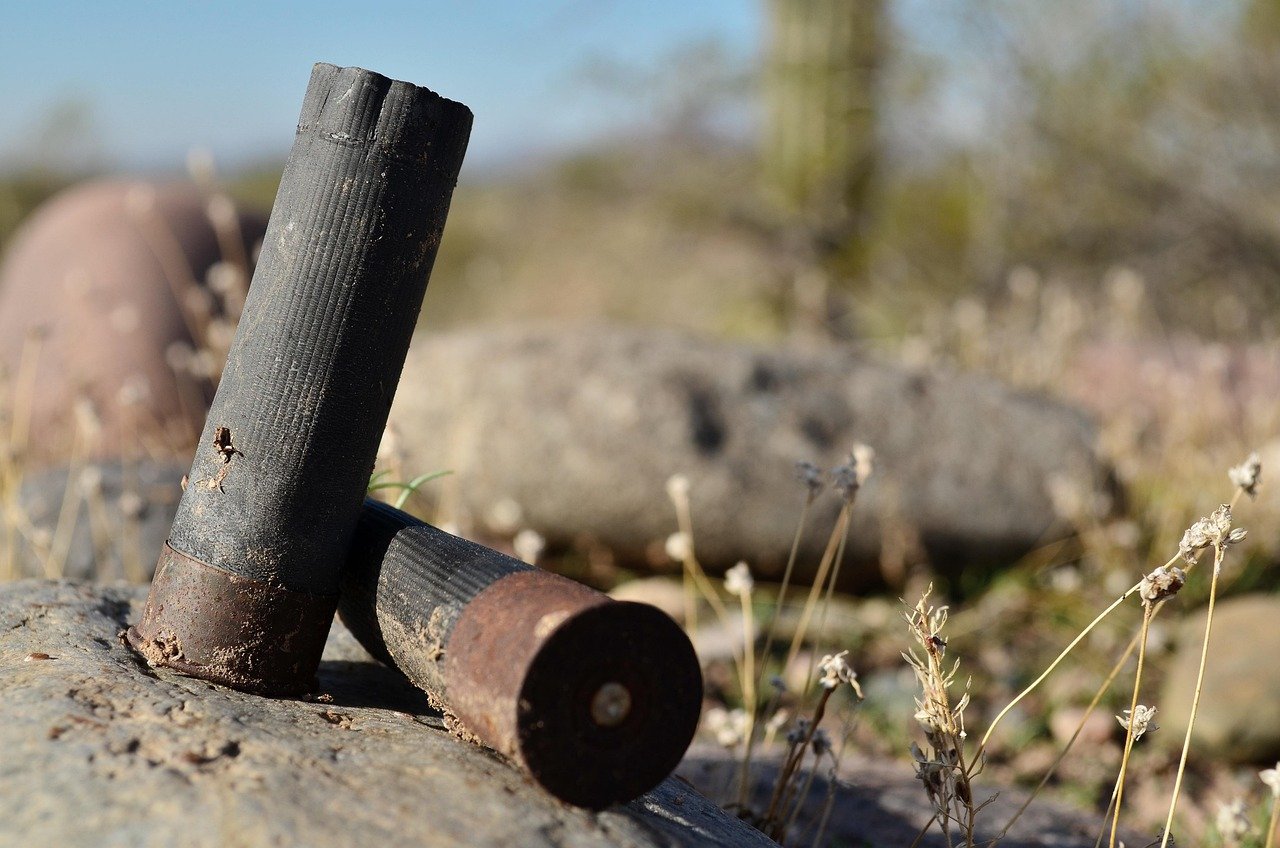
The wrong buckshot choice often starts with a lazy assumption: 00 is 00.
An 18-foot hallway, a tight bedroom doorway, and a lightweight pump do not ask the same thing from a shell as an open-plan living room and a gas gun. At typical indoor distances, pattern spread, pellet count, velocity, and recoil interact fast; the load that looks hottest on the box can be the one that patterns widest, cycles roughest, or slows follow-up shots most.
That makes buckshot selection setup-specific. Floor plan changes likely distance and angles, shotgun action affects how much recoil impulse the system absorbs, and household recoil tolerance matters as much as raw energy. The real mistake is buying by hype—or assuming every 00 load behaves alike—when wad design and payload can produce VERY different results.
The fastest shortlist by setup priority
Inside a home, tradeoffs dominate.
2.75-inch 00 usually balances control and payload. 3-inch magnums add shot, but often cost speed and comfort. Higher velocity can tighten practical timing windows by increasing blast. #4 Buck vs 00 is a pellet-size decision, not simply an upgrade or downgrade.What mattered indoors
This roundup weighs buckshot by room-length behavior, not catalog hype. The focus stays on loads that make sense in home-defense guns and home-sized spaces.
-
Pattern spread at indoor distance
Patterns were judged around 5–10 yards, where some loads stay tight while others open enough to change pellet placement around door frames or partial exposures.
-
Recoil and recovery
Follow-up speed mattered as much as raw payload; magnum shells can add pellets, but they often slow recovery in lighter defensive shotguns.
-
Platform reliability
Shell length, wad design, and velocity were considered for how consistently a load feeds, cycles, and ejects in common pumps and semiautos.
Penetration expectations were taken from recurring gelatin and barrier-test discussions rather than box claims, with attention to pellet size, velocity, and likely wall traversal.
What actually changes indoor buckshot performance
- Pellet size and countAt room distance, buckshot usually prints far tighter than myth suggests. That makes aimed hits decisive: 00 Buck brings fewer, larger pellets, while #4 Buck trades size for denser impact count.Look forA pellet size that balances pellet mass with useful hit density at true in-home distances.AvoidAssuming a bigger payload cancels out the need for precise placement.
- Wad and pattern controlModern wads, buffering, and plated pellets often matter more than headline velocity. Loads built to hold the column together typically throw fewer flyers and stay more predictable across hallway-length shots.Look forPattern-control features that keep groups compact and consistent.AvoidOld-school buckshot that patterns erratically from the chosen barrel.
- Shell length and recoilA 3-inch shell can add pellets, but it also adds recoil and often slows recovery between shots. In many home-defense guns, 2.75-inch loads offer the better balance of control, capacity, and speed.Look forThe shortest shell that delivers the needed pattern and reliability.AvoidMagnum loads chosen only for maximum pellet count.
- Velocity and action typeMore speed can harden recoil and change pattern behavior without guaranteeing better practical results indoors. Pump guns tolerate a wide range of loads; semi-autos can be more load-sensitive and may reward full-power shells.Look forA load that cycles reliably and stays controllable in the specific action.AvoidChasing velocity numbers while ignoring function and split times.
- 00 Buck
A common 12-gauge buckshot size using larger pellets and lower pellet counts than smaller buck sizes.
- 4 Buck
A smaller buckshot size that packs more pellets into the shell, often producing denser short-range patterns.
- Wad
The plastic cup behind the shot column; its design strongly affects pellet deformation and pattern spread.
- Pattern
The spread of pellets on target. Indoors, it is often much tighter than popular lore suggests.
- Shell length
Usually 2.75 or 3 inches in this category; longer shells often add payload and recoil together.
Higher pellet count helps only if the load still patterns evenly and stays controllable.
Across room distances, a clean 2.75-inch 00 or #4 Buck pattern often matters more than squeezing in extra pellets that add recoil and pattern variation.
Longer shells usually bring more recoil, more blast, and slower recovery with modest practical gain at in-home ranges.
In real houses, faster follow-up shots and steadier handling often beat the extra pellets offered by magnum loads.
More velocity can improve some patterns, but it can also increase muzzle blast, recoil, and inconsistency in lighter shotguns.
A high-velocity shell that disrupts cadence or patterns poorly is less useful than a moderate load that stays tight and easy to run.
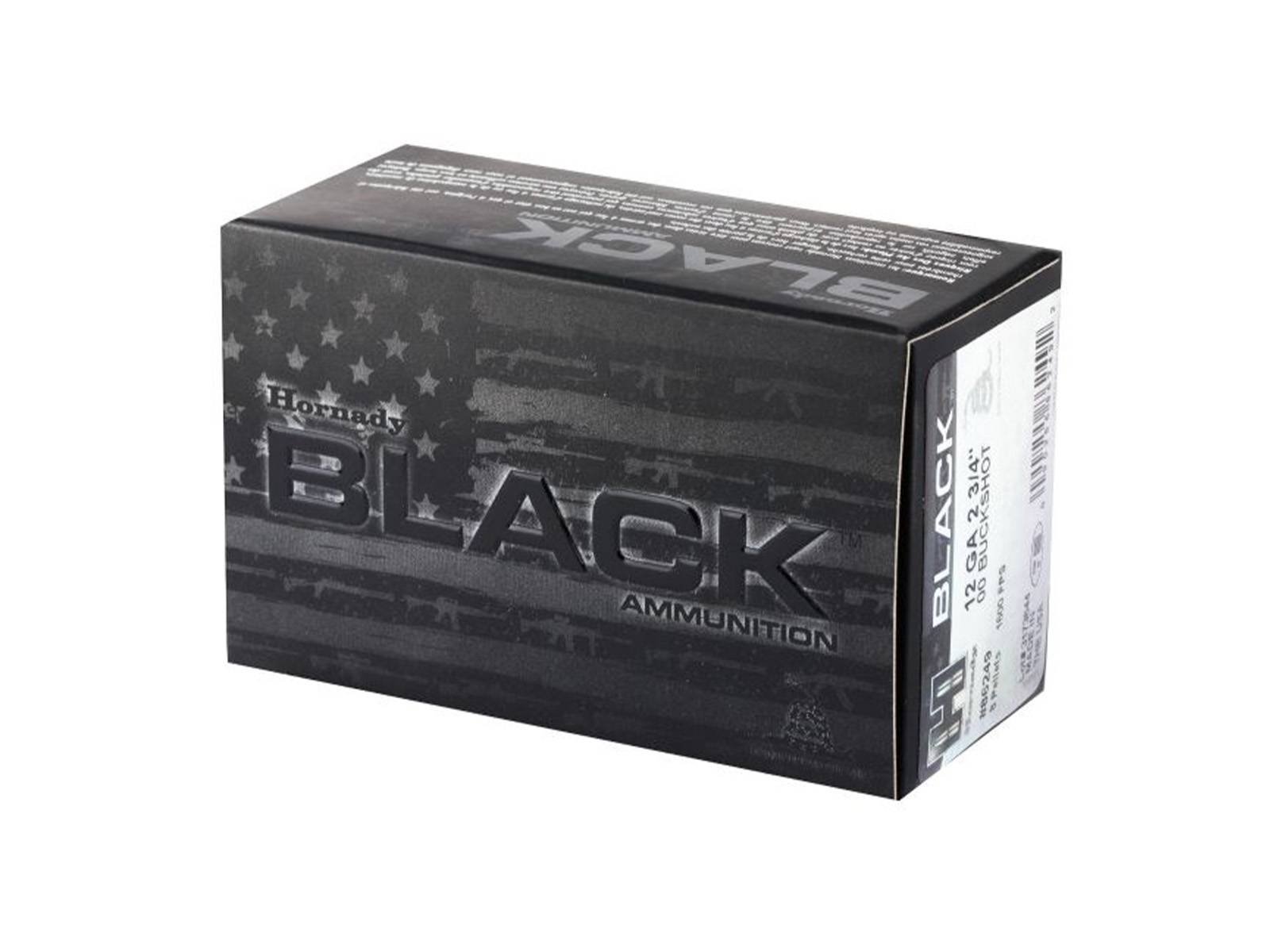
Hornady Black — the safest starting load for most shotguns
01
Versatile, high-quality factory defensive loads
Hornady Black 2.75-inch 8-pellet 00 Buck makes the most sense as the first load to try in a typical home-defense 12-gauge. It sits in the familiar middle ground: full-power buckshot performance, but without chasing magnum length, unusual payloads, or niche tuning.
That makes it a strong fit for broad, real-world compatibility across pump guns and many semiautos, especially when the goal is a dependable baseline before moving to more specialized loads. It is not automatically the final answer in every barrel, but it is one of the cleanest places to start.
- 8-pellet payload often stays more controllable than heavier buckshot loads
- Standard 2.75-inch format suits a wide range of defensive shotguns
- Useful baseline for comparing patterns, recoil, and reliability
- Not every barrel will pattern it best
- Lacks the tighter-pattern promise of some premium wad designs
- Some semiautos can prefer hotter or different loads
Hornady Black is the default recommendation for a reason. It avoids the common mistakes of going too heavy, too fast, or too specialized too early.
For most setups, it offers the best starting balance of control and compatibility. The only catch: even this pick still needs to earn trust on paper from the actual shotgun.
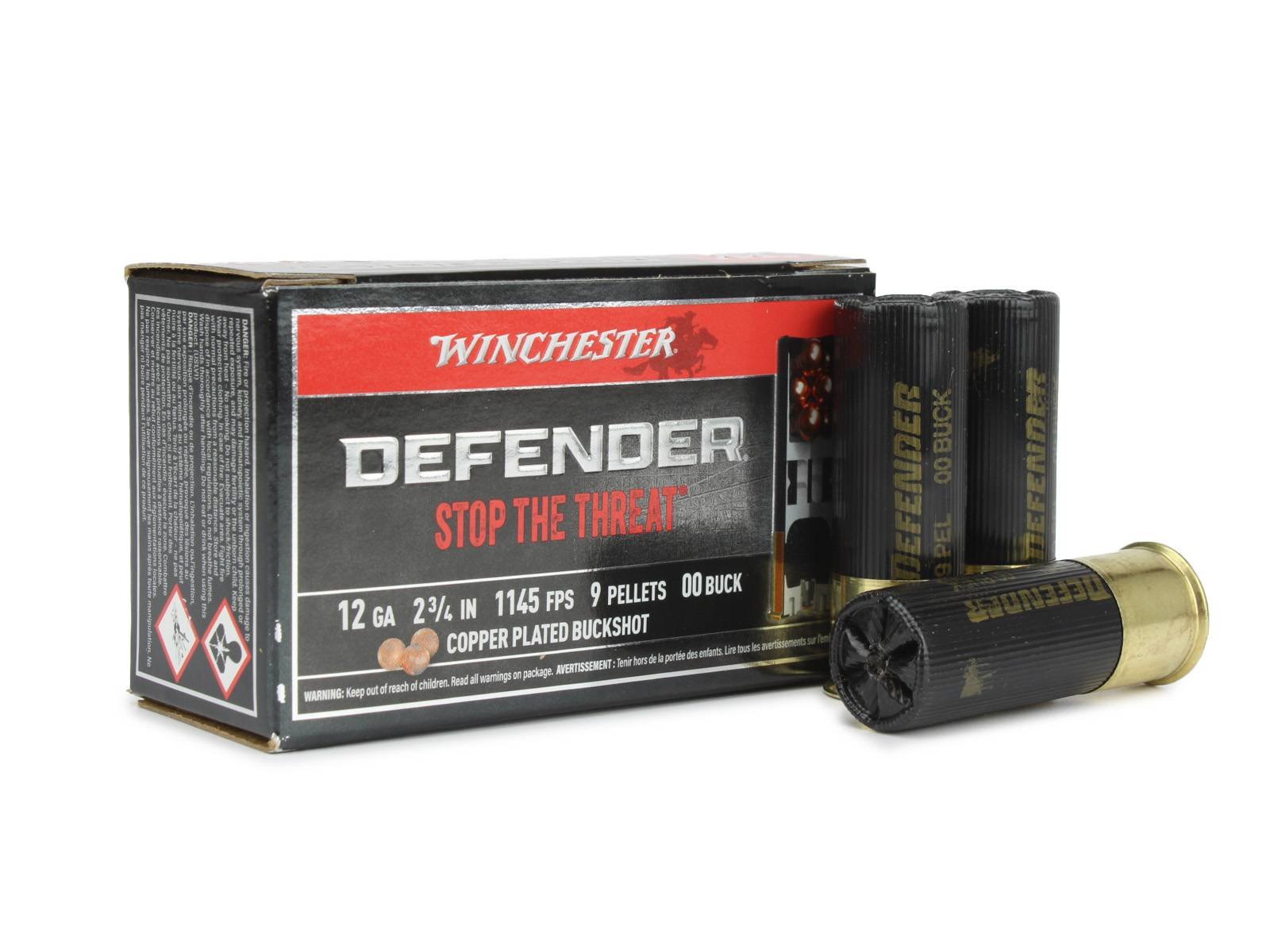
Purpose-built for personal and home defense
Winchester Defender occupies the more refined end of 2.75-inch 00 Buck. It suits home-defense setups where the goal is not a broad all-rounder, but a load selected for a more deliberate defensive character and a stronger emphasis on repeatable performance from shell to shell.
- Consistent shell-to-shell behavior
- Purpose-built defensive positioning
- 2.75-inch format fits many shotguns
- Costs more than top-value picks
- Performance gap may be small in some guns
- Pattern testing still matters
Think of Winchester Defender as the more specialized alternative to the article’s top pick. It earns the premium lane through consistency and intent, especially for buyers who want a dedicated defensive load rather than the safest broad-compatibility choice. If a given shotgun patterns it better, the upgrade is easy to defend; if results are similar, cost is the main reason to stay with Hornady Black.
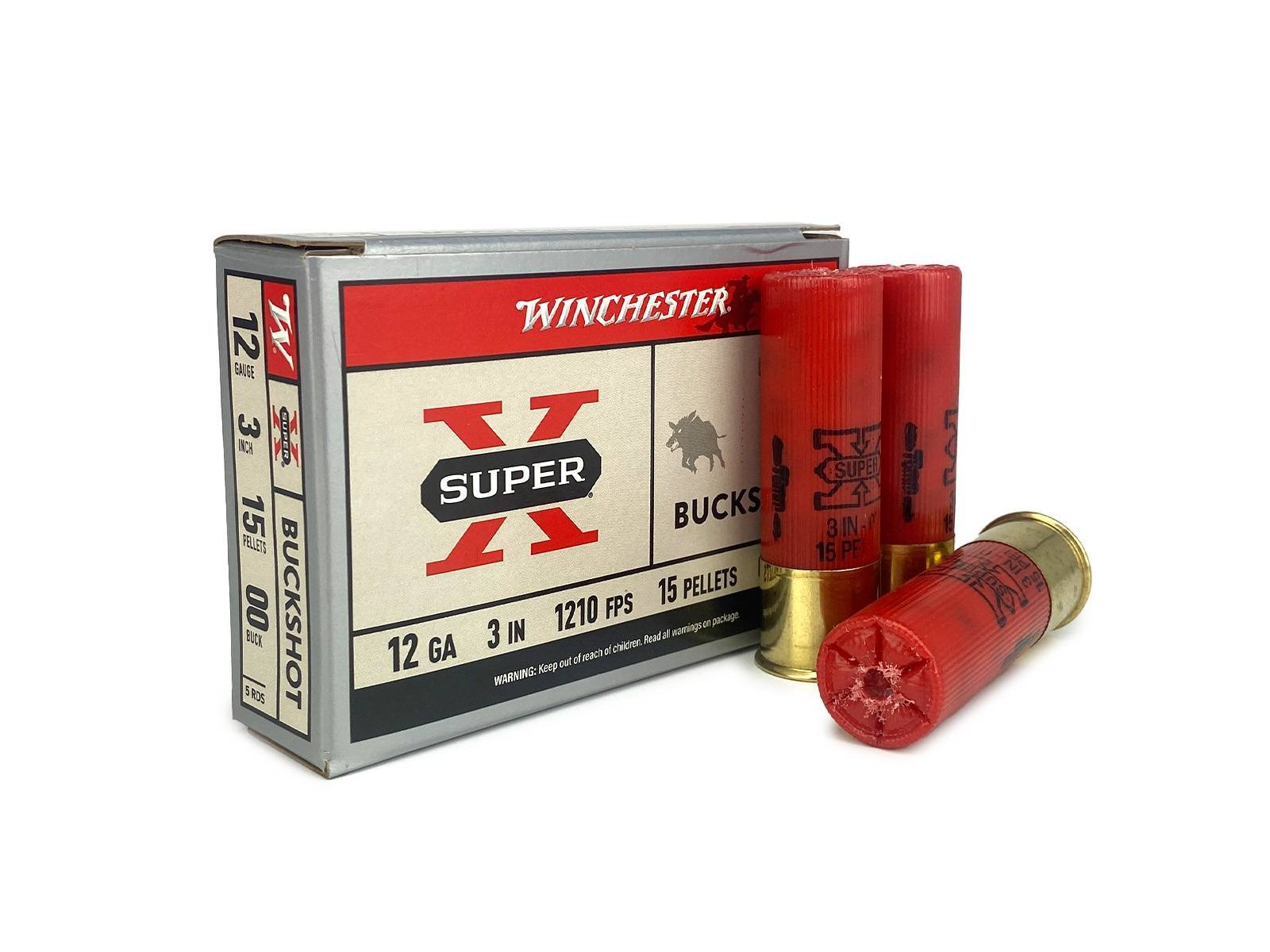
Ample supply option for extended use
Magnum-payload option for pellet-count chasers. Winchester Super-X 3-inch 00 Buck sits in the specialist lane: a traditional buffered buckshot load built around getting more 00 pellets into each shell.
Its place is narrow but real. It makes the most sense for defensive shotguns that run 3-inch loads reliably, with users willing to accept magnum handling penalties in exchange for the bigger payload.
- Higher pellet count than typical 2.75-inch 00 loads
- Buffered payload can support solid pattern consistency
- Widely familiar, straightforward magnum buckshot format
- Recoil rises sharply versus standard-pressure 2.75-inch loads
- Slower follow-up shots are common in lighter shotguns
- Many tube-fed shotguns lose one round of capacity with 3-inch shells
High-velocity load with nickel-plated pellets
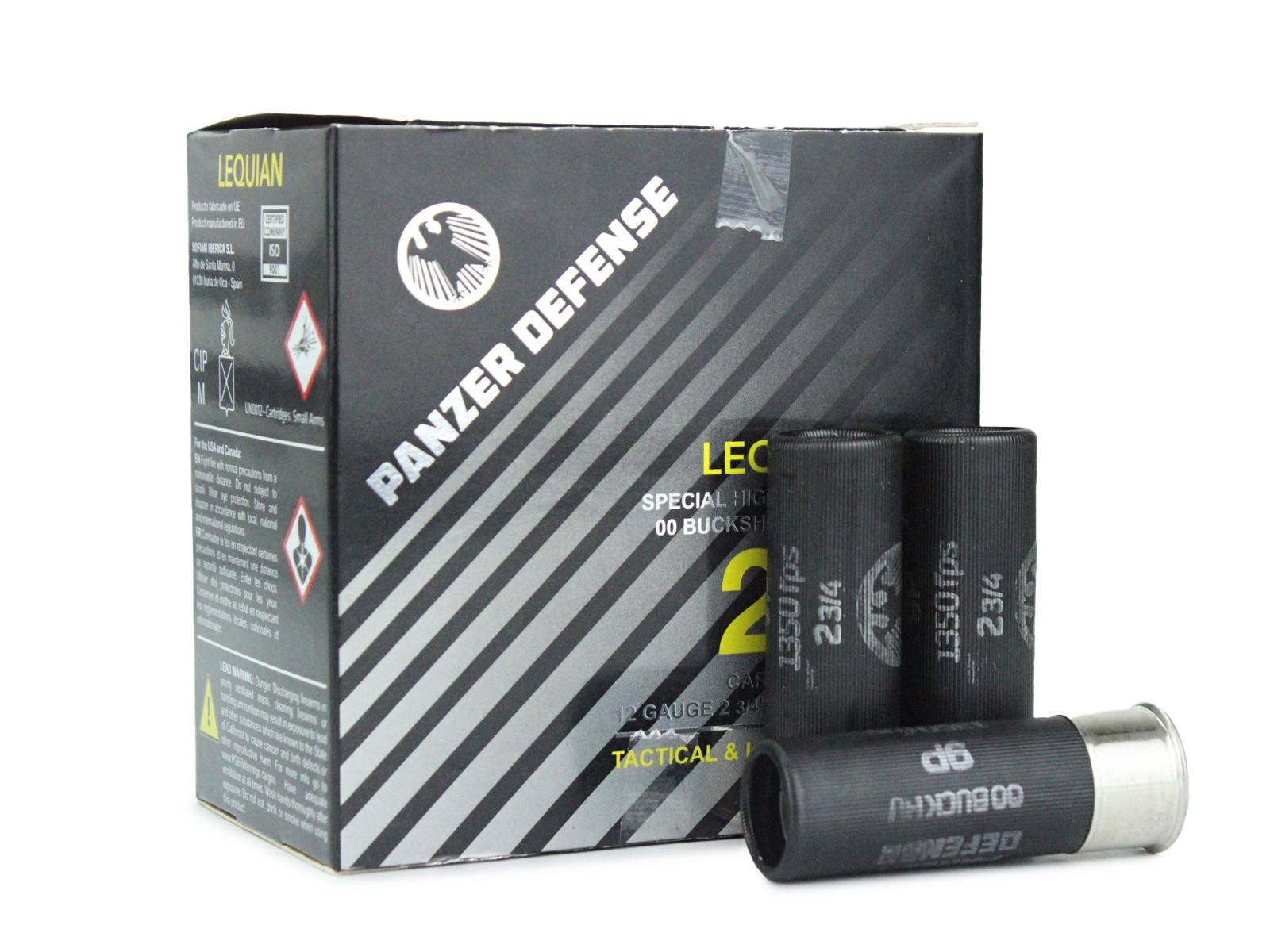
Panzer LEQUIAN HV is the speed-first outlier: a 2¾-inch, 9-pellet 00 Buck load running around 1,350 fps with nickel-plated shot. That extra velocity can slightly change how some barrels pattern and can give certain semiautos a bit more operating energy, but it also makes the gun feel noticeably more urgent indoors. It suits setups chasing maximum standard-shell pace only when practical control remains intact.
- Higher velocity can increase operating margin in some semiautos.
- Nickel-plated pellets may resist deformation and hold patterns more evenly.
- 2¾-inch length avoids the bulk and capacity tradeoffs of 3-inch shells.
- Blast and recoil impulse are usually sharper than mid-velocity defensive loads.
- Pattern improvement is barrel-dependent, not automatic.
- Any velocity gain is meaningless if follow-up hit quality slips.
Federal Power-Shok #4 Buck — the pattern-density alternative
Triple Plus wad for tighter patterns
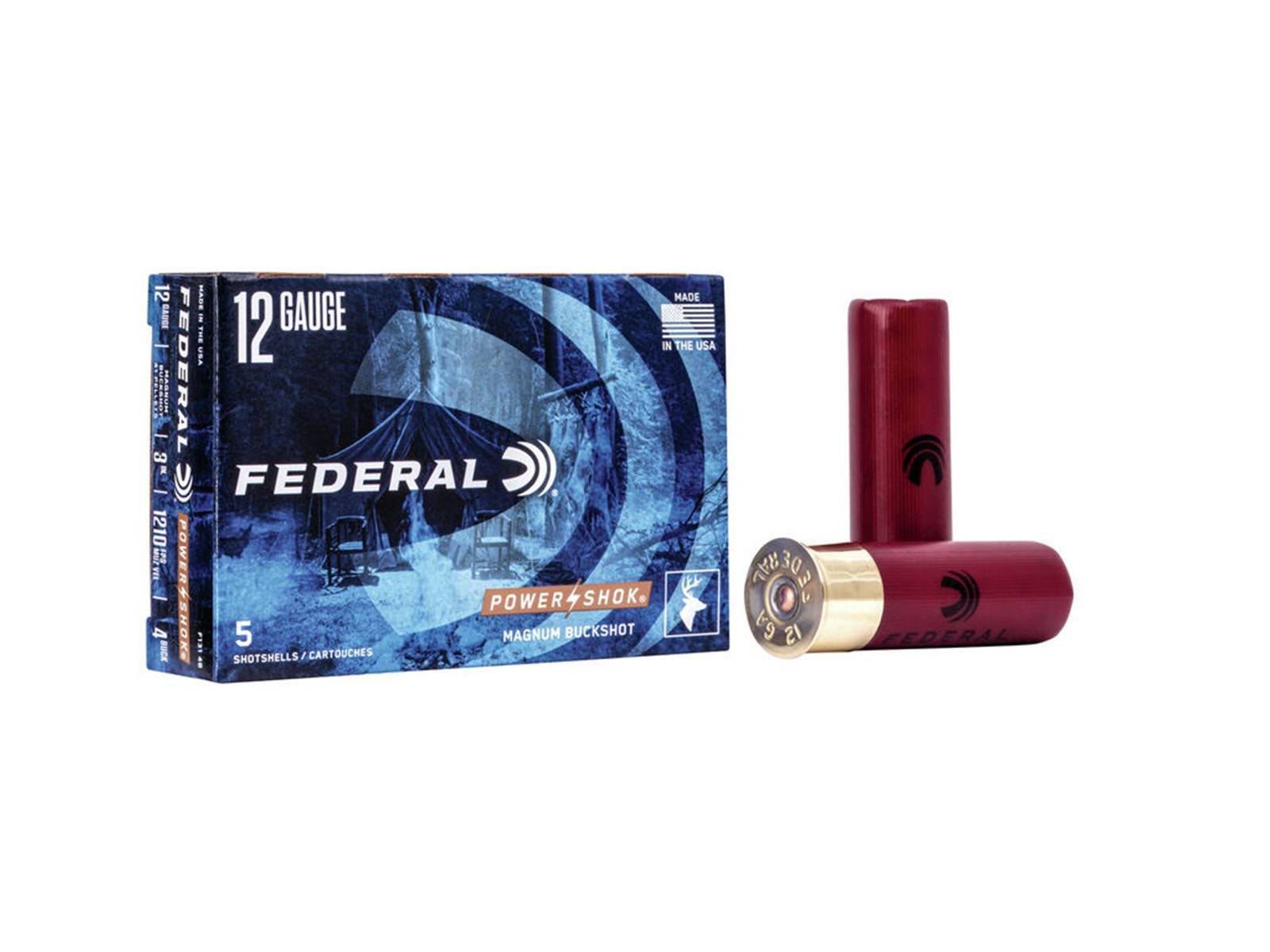
Federal Power-Shok 3-inch #4 Buck occupies a very different lane from classic 00 loads. Its appeal is simple: many more, smaller pellets can produce denser hits at typical indoor distances, and Federal’s buffered payload with Triple Plus wad is built to keep those patterns from opening early. It fits shooters comparing hit probability and pattern fill, not just raw pellet size.
- Higher pellet count than 00
- Can deliver very dense room-distance patterns
- Buffered wad helps preserve pellet shape
- Useful for guns that throw sparse 00 patterns
- 3-inch magnum recoil can be stout
- Smaller pellets bring terminal-performance debate
- Penetration can be less consistent than 00
- Long shell may reduce magazine capacity
For shotguns that do not love 00, this load makes a credible case through pattern density rather than brute pellet size. The catch is that it stacks two compromises at once—smaller shot and a 3-inch magnum shell—so its value depends heavily on how that specific gun patterns and how much recoil penalty can be tolerated.
Which load fits which setup?
Best fit for mixed households or recoil-sensitive shooters?
Hornady Black is the cleanest starting point. Its 2.75-inch 8-pellet 00 load is easier to manage than magnums and works across most pumps and semiautos.
What suits a full-size pump best?
Winchester Defender makes strong sense in a traditional home-defense pump. It stays in the handier 2.75-inch format and avoids the capacity penalties some 3-inch shells bring.
Which option favors maximum pellet count?
Winchester Super X 3-inch 00 is the obvious choice when more 00 pellets matter most. The cost is heavier recoil and slower follow-up shots indoors.
What if pattern density matters more than 00 pellet size?
Federal Power-Shok 3-inch #4 Buck offers the densest cloud in this group. That changes the hit pattern, but it still comes with magnum recoil and different terminal tradeoffs than 00.
Panzer Defense LEQUIAN Special HV is the niche speed pick: useful where a semiauto prefers hotter ammunition, but not automatically the best indoor-pattern choice.
The gun changes the load
Two shotguns can turn the same shell into noticeably different results. A 2.75-inch 00 Buck load that prints a tight cluster from one 18.5-inch cylinder-bore pump may spread wider, hit slightly off-center, or recoil differently from a 20-inch semiauto or an improved-cylinder barrel. Even polished loads such as Hornady Black or Winchester Defender are only as predictable as the barrel, choke, sights, and action behind them.
What to verify at the range
Sights matter because buckshot still follows point of aim; bead, ghost-ring, and red-dot setups can shift impact enough to matter indoors. Barrel length can change balance and velocity at the margins, while action type can change feeding behavior, especially with hotter or magnum shells.
A solid validation session checks:
- pattern size and point of impact at realistic indoor distances
- reliable feeding, extraction, and lockup with the chosen load
- recoil recovery with the actual stock, light, and sight setup
After testing, a shotgun cleaning kit stops being an accessory and starts being maintenance insurance. Buckshot sessions leave carbon in actions, plastic wad fouling in bores, and residue around choke threads; cleaning after validation helps preserve the reliability just confirmed.
A barrel stamp or choke label does not predict the final pattern. Test the exact defensive configuration, including mounted light, optic, side saddle, and chosen shell length.
The shortest path to the right shell
- Start with Hornady Black, then compare Winchester Defender if a second 2.75-inch 00 load is needed.
- Treat Winchester Super X 3-inch 00 and Panzer Defense LEQUIAN HV as role-specific choices, not default picks.
- Keep Federal Power-Shok #4 Buck on the shortlist when denser patterns matter more than the classic 00-buck formula.
For most home-defense shotguns, Hornady Black is the clearest starting load, with Winchester Defender as the premium same-class alternative when pattern quality justifies the move. Those two cover the widest mix of control, capacity, and practical indoor use.
Winchester Super X 3-inch 00 and Panzer Defense LEQUIAN HV make the most sense when extra pellets or a hotter operating impulse truly help the setup. Federal Power-Shok #4 Buck remains the more nuanced option for shooters prioritizing pellet density. The smartest finish is a two-load shortlist, then a final choice based on pattern shape, recoil recovery, and flawless reliability in the actual shotgun.






4 Comments
Thanks for being one of the few people to say “pattern confirmation remains mandatory.” Wild how many folks buy one box, read the velocity on the flap, and call it a day.
No question from me really, just appreciation for keeping the article grounded instead of doing the usual tactical thunder advertisement thing 😅
Why no low-recoil 00 section? That seemed like the biggest omission to me considering you spent a lot of time talking about recovery between shots and indoor distances.
I get the appeal of hotter loads for semiautos, but for pumps and recoil-sensitive shooters it feels like low-recoil deserves its own shortlist, not just a side mention.
Glad you called out the 3-inch stuff not being some magic upgrade. People act like more pellets automatically wins, then ignore the recoil and capacity hit.
That said, why Winchester Super-X 3″ 00 over something from Remington in the magnum slot? Just curious if it was a testing result thing or a consistency/availability choice.
Availability and consistency were the big reasons. The Super-X 3-inch 00 is one of the easier magnum buck loads to actually find, and it represents the tradeoff clearly: more pellets, but more recoil and sometimes one less round in the tube.
There are Remington loads worth considering, but I didn’t want the magnum section to turn into a giant branch of near-duplicates when the real takeaway is that most indoor setups still land back on 2.75-inch 00.