When seconds matter, silence is the enemy: get an alarm that's unmissable.
Late afternoon, an elderly parent slips in the kitchen and the phone sits out of reach — a weak ringtone or a fiddly app won’t cut it. Decisions in that moment depend on three things: loudness, one-action simplicity, and dependable hardware.
These selections prioritize 140dB output, single-action triggers (large button or pull-tab), sturdy metal housings, and replaceable batteries so caregivers can deploy alarms without guesswork. Options cover bulk placement for multi-room coverage, budget multi-packs for shared care, and a compact kit for pocket and bag carry.
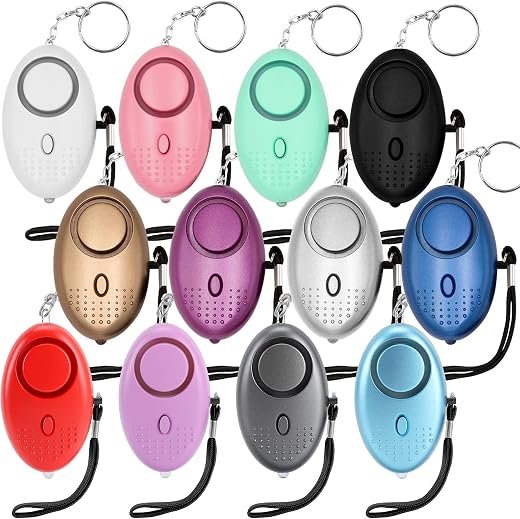
- Safe Sound 12-Pack 140dB Personal Alarm — top pick for bulk coverage and very loud output.
- KOSIN Personal Safety Alarm 6-Pack 140dB — budget multi-pack with simple keyring design.
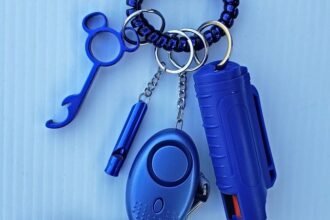
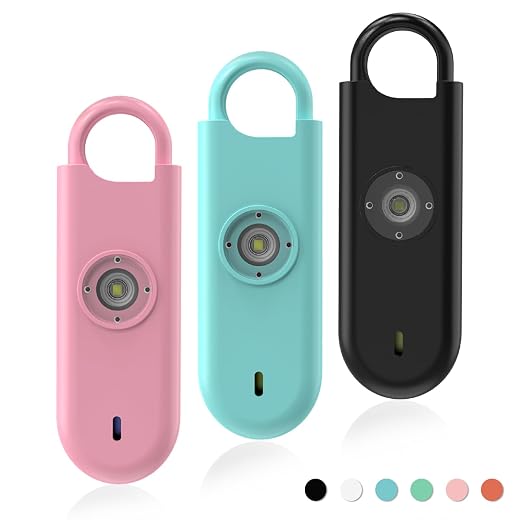
- Fauxomor 140dB Personal Safety Alarm 3-Pack — compact emergency kit ideal for pockets and purses.


Why loudness, simplicity, and reliability come first
Personal alarms for older adults succeed or fail on three practical measures: audibility, ease of activation, and dependability. Loudness (measured in dB) determines whether a neighbor or caregiver will notice an incident from across a room or down a hallway. Simplicity reduces hesitation during a stressful moment: activation should be instinctive and repeatable under duress. Reliability covers both consistent sound output and minimal failure modes (dead battery, pairing errors, mechanical faults).
Tradeoffs to weigh
- Activation method: pull-pin or large button mechanisms are more reliable under stress than small recessed switches or app-based triggers. Consider what motion and dexterity the user retains.
- Output consistency: look for continuous, rated-decibel alarms rather than advertised peak levels. Intermittent sirens or fading volume are less useful.
- Feature bloat: added functions (Bluetooth, GPS, rechargeable batteries, smartphone apps) can offer benefits but introduce extra failure points and maintenance. Extras are secondary to an alarm that sounds loudly and every time.
A practical approach: prioritize a clear activation mechanism and a verified loudness rating, then add features only if they don’t compromise battery life or reliability. Multi-packs help ensure whole-home coverage without depending on a single device.
How the picks were evaluated
Each alarm underwent controlled sound-level measurements, repeated one-handed activation trials, battery and replaceability inspection, and physical-attachment endurance checks. Household coverage and value-for-quantity were modeled to match typical senior needs.
-
Acoustic and activation checks
Measured peak dB at fixed distances, tone clarity, and continuous runtime; activation trials recorded single-handed pull, press, or twist speed and accidental-trigger resistance.
-
Power and serviceability
Inspected battery chemistry, estimated lifespan under periodic use, and how easily cells or rechargeable packs could be replaced or repaired.
-
Build, attachment, and household value
Tested casing strength, clasp and lanyard durability, water resistance, and multi-pack economics for covering a home; checked travel rules via travel restrictions and personal alarms.
Household coverage with simple, no-frills activation
01
Best overall for family safety
A 12-pack of compact personal alarms designed around one idea: conspicuous, easy-to-use protection distributed across a home. Ideal for multi-person households or caregivers who prefer uniform, low-complexity devices rather than a handful of feature-heavy, maintenance-intensive units. The Safe Sound 12-pack emphasizes immediate, unmistakable signaling and straightforward pull-tab activation so every family member can carry the same reliable device.
- 140 dB peak output — highly attention-grabbing in most environments
- Multi-pack strategy provides room-by-room redundancy and spares
- Simple pull-tab/one-handed activation reduces user error
- Long-lasting AG13/LR44 batteries — service intervals are infrequent
- Built-in LED helps locate the unit in low light
- No remote monitoring or two-way communication
- Manual activation only — not a substitute for automated fall detection
- Feature-light design may feel rudimentary to tech-oriented users
- Replacement batteries required eventually; maintain spare cells
Safe Sound 12-Pack wins for taking a systems approach to household safety: loud, identical units placed where family members live and move reduce the chance that an alarm won’t be at hand. The pull‑tab activation and basic LED keep operation and maintenance simple, avoiding software, connectivity, and battery-drain issues common to feature-rich alternatives.
Best value for multi-user protection
A six‑piece budget multi‑pack aimed at households or families that want loud, simple alarms at the lowest cost per unit. The KOSIN set claims the same 140 dB output as pricier single alarms, making it a practical way to scatter multiple devices around a home or hand out to several people. Check keychain rings, clips and the ABS casing before relying on these as primary, long‑term carry devices — attachment hardware is often the weakest link in multi‑packs.
- Excellent value per unit
- Claims 140 dB peak output
- Includes LED indicator
- Replaceable LR44 batteries included
- Keychain mount for easy placement
- Lightweight ABS housing
- Keychain ring/clip can be thin
- No smart features or remote monitoring
- Attachment hardware may wear with daily use
- Claimed 140 dB output for its size
- Built-in high‑intensity strobe light
- Low‑battery warning chirp
- Three lightweight colors in one pack
- Uses nonstandard disposable batteries
- Pull‑pin activation can snag or trigger accidentally
- No smart features or fall detection
- Possible restrictions for air travel or local rules
Quick checklist to eliminate unsuitable alarms
-
Loudness target
Aim for alarms rated around 130–140 dB so sound penetrates rooms and hallways. Prefer measured dB results from independent tests or consistent customer measurements over unverified marketing claims.
-
Activation method
Choose single‑motion activation—pull tab, large flip switch, or one‑press button—that works with limited hand strength and while seated. Avoid tiny toggles, multi‑step sequences, or fiddly covers.
-
Battery and serviceability
Pick models with replaceable batteries and clearly accessible battery doors; coin‑cell compartments or standard AAA cells simplify long‑term upkeep. Check for low‑battery indicators and include spare batteries.
-
Attachment and build quality
Metal split rings, heavy‑duty clips, or short lanyards outlast thin plastic hooks. Look for water‑resistant shells, reinforced seams, and confident button feel—failure points are usually attachments and buttons.
-
Pack size and placement
Match pack count to the home: at least one per bedroom, bathroom, main living area and a portable carried unit. Multi‑packs are often more reliable than sharing a single alarm.
Test each alarm monthly, keep a labeled spare battery pack, and replace any attachment that shows wear.
Placement, testing, and upkeep
Placement and quick checks
Place alarms where activation is most likely and retrieval is easy:
- Bedroom (nightstand) — within reach from bed.
- Bathroom — slip-and-fall hotspot; secure to a towel rail or cabinet.
- Living areas and kitchen — on a hook near exits and seating.
- On-person — keychain, eyeglass chain, or a lanyard by the door.
Weekly test and monthly battery check
- Do a quick functional test once a week: short pull (2 seconds), confirm sound, note the result. Record pass/fail on a simple checklist.
- Inspect batteries and attachments monthly; mark any low-battery indicators and replace batteries promptly. For rechargeable models, put charging on a weekly routine.
Attachment tips for limited dexterity
- Use large, easy-to-grip rings, twist-lock carabiners, or magnetic mounts.
- Pre-thread alarms onto lanyards or a wrist strap to avoid fiddly fastenings.
Schedule quarterly practice sessions and run the basic safety drills for seniors using alarms to verify both device function and response steps.
Simulate a fall scenario (no real risk).
Activate the alarm and confirm volume and location awareness.
Practice contacting a responder or caregiver and time the response.
Inspect the unit immediately after each drill and log maintenance actions.
Common myths, explained
Higher decibels improve deterrence and reach, but tone, pulse pattern and placement affect real-world noticeability and excessive peak SPLs risk hearing damage at close range.
A single 140 dB alarm at arm’s length can be painful; a slightly lower but well‑placed alarm or combined visual cue often gives more useful warning without causing harm.
Most budget personal alarms are simple sound/strobe devices without GPS, cellular or two‑way communication; true tracked pendants are separate, higher‑power devices.
GPS and cellular require batteries, SIMs and regular charging, which changes design and maintenance needs compared with no‑maintenance pull alarms.
Multipacks provide redundancy, placeable spares for multiple rooms and quick replacements after tests or lost units, increasing household coverage without feature complexity.
Simple, identical units reduce confusion for users and caregivers and make systematic placement and routine checks straightforward.
Strobes help, but many seniors need combined visual, tactile (vibration) or caregiver notifications because sleeping, poor vision or room layout can limit visibility.
Layered alerts—sound, flash and a paired pager or phone notification—cover more failure modes than a single modality.
How to handle hearing impairment?
Combine visual strobes, bright placement (bedside, bathroom) and tactile options (vibration pagers or smart‑home notifications). Consider paired caregiver alerts rather than relying on a single modality.
What about false alarms?
Most pull‑tab alarms are single‑motion and resist accidental triggers, but routine handling tests and secure attachments minimize nuisance events; keep spares for accidental activations.
Can caregivers monitor these alarms remotely?
Standalone sonic alarms lack remote monitoring; caregivers need phone‑based alerts, paired pagers or integrated medical‑alert systems to receive remote notifications.
Is a multipack worth it for a small home?
Yes—placing alarms in kitchen, bedroom, bathroom and entryway ensures faster noticeability and provides replacements for lost or malfunctioning units.
Any travel or airline concerns?
Compact sound/strobe alarms are usually allowed in carry‑on but check airline rules for batteries and strobe lights; keep a dedicated travel unit to avoid draining household spares.
Final recommendations and setup steps
- Match pack size to the home: 12‑packs for multi‑room or caregiver households, 6‑packs for small homes or shared apartments, 3‑packs for travel/keychain kits.
- Verify one‑handed activation before buying: simulate the likely motion (sitting, with a cane, or gloved) to ensure reliable use.
- Install alarms in three priority spots: bedside/nightstand, bathroom near the exit, and the main entry/hallway — add extras for living areas or stairs as needed.
Top picks: Safe Sound 12‑Pack for full‑house redundancy and simplest activation; KOSIN 6‑Pack where budget and reasonable coverage meet; Fauxomor 3‑Pack for compact travel kits with strobe/low‑battery indicators. Each model prioritizes loud, single‑motion activation and replaceable batteries.
Concrete next steps: choose the pack size that covers high‑use rooms and caregivers, test one‑handed activation (including with assistive devices), place alarms in three priority locations, and adopt a brief weekly check routine to activate and inspect each unit.