

A 50 m marking sounds reassuring—until heat, steam, soap, and a moving spray enter the picture.
At the bathroom sink, a 50 m watch can look ready for anything. Then the shower adds hot water, steam that warms the case and seals, slippery soap residue, and jets that strike one spot repeatedly. The rating is not a promise that the watch will remain trouble-free through years of this routine.
“50 m” normally refers to water-resistance testing under controlled static pressure—not a literal depth for every real-world activity. A brief accidental soaking or an occasional cool rinse may be within the intended margin for many properly sealed watches. Dependable, repeated shower use is a different standard. Heat can expand components, temperature changes can stress gaskets, and shampoos or soaps may leave films around the crown, pushers, and case-back seals. Water resistance also declines as seals age or suffer impact.
- Never operate a crown or chronograph pusher when the watch is wet.
- A screw-down crown helps only when it is fully secured; it does not make ageing seals permanent.
- A watch’s manual and its stated water-resistance standard override the number on the dial.
- Static testing The rating is based on controlled pressure tests, not a lifetime shower-use guarantee.
- More stress Heat, steam, and cleaning products make routine showering harder on seals than a quick splash.
- Seals change Gaskets, crowns, and case-back seals can lose performance with age, wear, or impacts.
Water resistance is a condition to maintain, not a permanent property.
50 m is a pressure rating, not a bathing-depth allowance
- 50 m / 5 bar / 5 ATM
These markings all indicate roughly the same nominal pressure class: about 0.5 MPa under a controlled test. They do not mean the watch is approved for routine use 50 metres underwater.
- Static pressure test
A watch is pressurised in still water or air under laboratory conditions, usually with the crown fully secured. A shower adds heat, rapid temperature changes, detergents, and water striking seams from different angles.
- Ageing seals
Gaskets around the crown, crystal, caseback, and pushers slowly harden, flatten, or lose lubrication. A rating describes a tested condition, not an indefinite promise after years of wear.
- Crown and pushers
An open crown creates a direct path into the case; operating a crown or chronograph pusher while wet can disturb seals. Screw-down crowns improve security only when fully threaded home.
- ISO 22810
This standard sets test methods for watches marked water-resistant, but it is not a universal shower-use certification. Its value depends on whether the specific model is declared compliant and on the maker’s stated use limits.
Why showers are harder on a watch
A quick rinse at the sink and a swim do not expose a watch to the same conditions. In a shower, heat, rapid temperature changes, steam, detergents, and moving water can work on the case at once. That does not mean a 50 m watch will immediately leak under every shower; a sound, recently tested watch may tolerate incidental splashes. The concern is repeated exposure and the gradual loss of sealing margin.
Heat and pressure changes
Warm water heats the case and the air trapped inside it. When the watch later cools, internal pressure falls relative to the outside air, which can draw moisture toward a weakened gasket, crown seal, or caseback seal. Steam is particularly persistent: it can condense into tiny droplets when it reaches cooler surfaces.
The shower stream also produces local, changing pressure. It is not comparable to diving depth, but a concentrated jet striking the crown, pushers, or caseback can stress seals more dynamically than still water. Risk rises where a spray repeatedly hits a control or where a crown is not fully screwed down.
Soap is not neutral
Shampoo, body wash, and conditioner can leave films around crowns and rotating bezels. Some surfactants and oils may reduce gasket lubrication over time, while residue can trap grit at moving interfaces. Chlorinated pool water has its own concerns, but it is generally cooler and lacks the combined heat-and-product exposure of a shower.
For a 50 m watch, keeping showers as an exception rather than a habit preserves more of the water-resistance reserve. If fog appears beneath the crystal after exposure, the watch needs prompt professional inspection rather than further water testing.
External mist can be harmless. Condensation beneath the crystal, especially after a temperature change, indicates moisture has entered the case or was already present. Keeping the watch dry and having its seals assessed can limit corrosion and dial damage.
What a 50 m watch can realistically handle
A 50 m rating is generally adequate for ordinary accidental wetting when the watch is modern, intact, and properly closed. It is not a blanket pass for every wet activity. The matrix below assumes a sound case, screwed-down or fully seated crown where applicable, and no known sealing issues.
| Activity | Practical grade | Sensible interpretation |
|---|---|---|
| Rain, splashes | Low concern | Usually fine; wipe it dry afterward. |
| Handwashing | Low concern | Fine if the crown is not pulled out and water is brief. |
| Cleaning dishes or surfaces | Caution | Avoid prolonged immersion and strong detergents; rinse residue promptly. |
| Surface swimming | Conditional | Often suitable for a current, tested 50 m model; check the maker’s instructions. |
| Showering | Avoid routinely | Heat, soap, and repeated spray add stress beyond simple water contact. |
| Hot shower, sauna, steam room, hot tub | Avoid | Heat and rapid temperature changes can compromise sealing margins. |
The condition check matters more than the dial
A rating describes the watch when tested, not necessarily its present state. A vintage piece, an unknown-service watch, or one that has recently been opened for a battery, movement, or crystal repair deserves a more conservative reading of “50 m.” The gasket may have been disturbed, omitted, compressed, or simply aged.
Water exposure also becomes riskier after a hard knock, a chipped crystal, corrosion around the crown, or a crown that feels loose or gritty. Never operate pushers or pull out the crown while the watch is wet.
Finally, the strap can be the limiting part. Metal and rubber generally tolerate water better than leather, untreated fabric, or glued construction. Even if the case survives a shower, a leather strap can stiffen, stain, and deteriorate quickly.
Run this five-point check before the watch gets wet
-
Check the maker’s instructions first
The dial’s 50 m marking is only part of the specification. The model manual may limit showering, swimming, hot water, or use of particular functions; those directions take priority over a general interpretation of the rating.
-
Confirm that the crown is fully home
A push-pull crown must sit flush against the case. On a screw-down design, gently thread it in and tighten only until it is snug—cross-threading or overtightening can damage the very parts intended to seal it. A screw-down crown makes accidental opening less likely, but it does not raise the watch’s stated water-resistance rating.
-
Secure every pusher and valve
Chronograph pushers, correctors, and helium-release valves are potential entry points. Before exposure, verify that any locking collars are closed and that no control is partly extended.
-
Look for lost sealing margin
A chipped crystal, loose bezel, crown that feels gritty, fogging under the crystal, or a caseback disturbed during a battery change all warrant caution. Surface damage matters differently by material, including the way crystal type changes resistance to everyday knocks, but any crack can compromise the water barrier.
-
Treat controls as dry-land functions
Do not press pushers, pull the crown, or operate a touchscreen while the case is wet or submerged unless the manual explicitly permits it. Movement can momentarily disturb seals and create a path for water. Water resistance is not a permanent feature of a single component; it is a maintained system of gaskets, interfaces, and correctly closed controls.
After a case opening, impact, or unexplained condensation, a professional pressure test can establish whether the sealing system still performs as intended.
The strap has its own water limits
A watch can keep water out of its case while its strap absorbs it, traps residue, or corrodes at the fittings. The water-resistance rating applies to the case, not to leather, fabric, adhesive, padding, or clasp components.
Materials that cope with regular rinsing
For frequent wet use, rubber, silicone, fluoroelastomer, and well-made metal bracelets generally rinse clean and dry quickly. A bracelet still needs attention at the clasp, link pins, spring bars, and hollow sections, where soap film and moisture can linger. Rinsing with fresh water after exposure and drying around the lugs reduces that buildup.
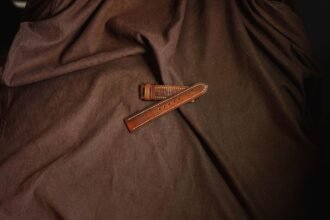
Leather is the poor match for showers: repeated wet-dry cycles can stiffen it, weaken its lining and glue, and shorten its life. NATO-style nylon and other fabric straps tolerate water better than leather, but can remain damp against the wrist and develop odour if not fully dried.
Two watches with identical 50 m ratings may therefore age very differently in shower use. A sound case on a moisture-tolerant strap is the more robust combination; damaged spring bars, plated hardware, or loose keepers can still become the weak point.
If the watch has already been showered in
First, dry the outside gently with a clean, lint-free cloth. Pay attention to the case back, bezel edge, lugs, and the area around the crown and pushers. Avoid pressing buttons, turning the crown, or charging a connected watch until its exterior is fully dry; operating controls can move water past a compromised seal.
If the maker permits it, a short fresh-water rinse can remove soap, shampoo, or mineral residue, particularly from a metal bracelet or rubber strap. It is not a universal remedy: a watch whose instructions prohibit rinsing, has a loose crown, or has visible case damage is better left dry and assessed.
Signs that moisture may be inside
Watch for persistent fog beneath the crystal, droplets, a hazy display, unexplained timekeeping changes, a dim or flickering screen, or muffled speaker/microphone output on a smartwatch. A little surface mist on a cold case is different from condensation under the crystal. Internal moisture merits prompt assessment by an authorised service centre or qualified watchmaker, since corrosion can continue after the outside feels dry.
Do not open the case at home, place it on a radiator, use a hair dryer, or bury it in rice. Heat can distort gaskets and drive humid air through seals; home opening introduces dust and can worsen the original breach.
If internal condensation appears, keep the watch out of water and arrange professional inspection promptly. A pressure test and seal check can identify whether the case still has a reliable water barrier.
Treat 50 m as a margin, not shower clearance
- A water-resistance rating describes a tested condition, not the watch’s permanent condition.
- A service pressure test is the only meaningful way to confirm that ageing seals still protect the case.
- An impact, a loose crown, or repeated heat exposure can reduce the safety margin without visible damage.
A 50 m watch is generally well suited to rain, hand-washing, and other ordinary splashes. It is not blanket permission for showering: hot water, steam, and detergents add stresses absent from a controlled rating test. Unless the manufacturer explicitly permits shower use, removing the watch first is the lower-risk choice; the same caution applies to saunas, hot tubs, and other steamy settings.
Swimming also depends on the maker’s stated use limits and the watch’s condition. Water resistance is a consumable capability, not a lifetime trait. Seals harden, crowns wear, and knocks can disturb the case interface, so a pressure test after battery work, impact, or periodic servicing helps establish whether the original rating still has practical meaning.




One Comment
Good practical checklist, although I wish more brands stated the service interval for water resistance in plain language. “Water resistant to 50 m” is printed everywhere; “replace seals after X years and test after battery service” is usually buried in a manual nobody reads. That gap probably causes half the confusion.