
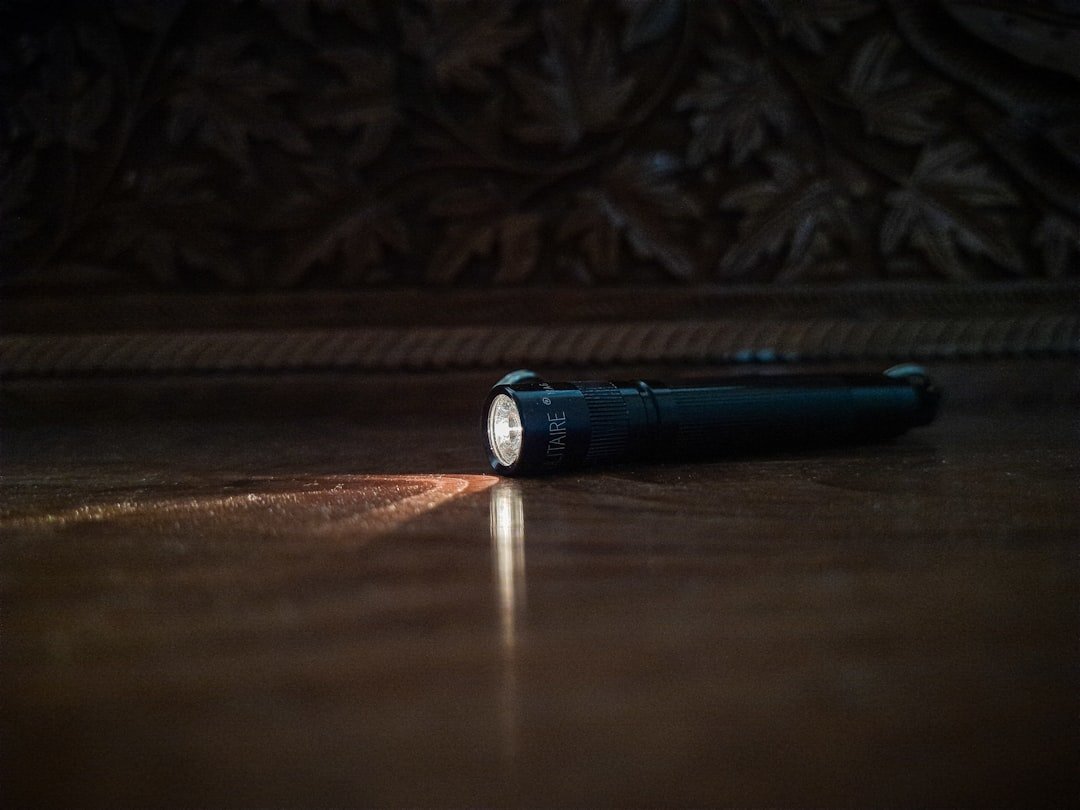
When a light dies during a storm or goes overboard, seconds matter.
Imagine a search team lowering a headlamp into surf, or a fisherman’s torch tumbling off a boat: the immediate risks are lost visibility, electrical shorting, and accelerated corrosion that turns a dependable light into dead weight. The IPX digit flags an immersion test result, but it doesn’t capture materials, age, impact damage, salt versus fresh water, or whether charging ports and switches were designed to remain sealed under pressure. In high‑risk use, the label is a starting point; engineering details — gasket materials, potting, pressure relief and user procedures — decide whether a light survives.
- IPX7 — certified to survive 1 meter immersion for 30 minutes (controlled test).
- IPX8 — immersion beyond 1 m under manufacturer‑specified conditions; depth/time not standardized.
How the IP system works — what IPX7 mandates and how IPX8 differs
- IP code basics
The Ingress Protection (IP) code is an international two‑digit standard that rates enclosure resistance to solids (first digit) and liquids (second digit). Higher numbers indicate greater protection; the test methods are defined in IEC standards.
- Meaning of an 'X'
An ‘X’ in either position means that aspect was not tested or specified, so IPX ratings address only liquid ingress and carry no dust‑resistance claim.
- What IPX7 requires
IPX7 is a fixed laboratory test: continuous immersion at 1 metre depth for up to 30 minutes, with a pass/fail outcome based on absence of harmful water ingress.
- What IPX8 allows
IPX8 is intentionally open‑ended — manufacturers set the immersion depth and duration (for example, deeper than 1 m or longer than 30 minutes) and must disclose those parameters when claiming IPX8.
- Practical implication
Because IPX8 criteria vary and real‑world factors like pressure, temperature, movement and saltwater affect sealing, IPX8 claims are not directly comparable without the manufacturer’s stated test conditions.
How IPX7/IPX8 Immersion Tests Are Performed — and What They Actually Simulate
IEC/EN immersion tests are narrow, controlled laboratory procedures that verify a device’s short‑term watertightness under specific conditions. They prove resistance to static immersion—not to all real‑world water hazards.
-
Test setup
Devices are sealed as marketed and submerged in fresh water at controlled temperature on a fixture that prevents movement; IPX7 is 1 m for 30 minutes, while IPX8 depth and time are set by the manufacturer and executed in the same static manner.
-
Controlled variables
Laboratory protocols control depth, temperature, immersion duration and sample orientation and typically test new units; water is clean and still, and sensors or visual inspection check for ingress after removal.
-
What the tests don’t cover
Dynamic pressure, wave action, saltwater corrosion, thermal cycling, impact stress, vibration, or seal degradation with age are excluded, so field performance can diverge from lab outcomes.
A passing immersion test confirms a device resists short, static submersion in controlled fresh water but does not guarantee resistance to repeated exposure, salt, or mechanical shock.
Manufacturers often specify IPX8 parameters that exceed IPX7 durations, yet neither protocol simulates aging seals or the pressure spikes caused by drops or running water. Consider lab ratings as a baseline specification, not a substitute for application‑specific testing.
Which rating handles which wet situations?
Brief context: IPX7 protects against static immersion to about 1 m for 30 minutes; IPX8 means immersion beyond IPX7 but the manufacturer defines depth and duration. Real use adds dynamic pressure, salt, and aging — those change the outcome.
Quick decision rules
- Puddle drops, heavy rain, washing hands: IPX7 is generally sufficient. These are short, shallow, mostly static exposures.
- Kayak or small boat capsize, long submersion in calm water: Prefer IPX8 with a clear depth/duration spec (look for ≥2 m and multi‑hour duration if long recovery time is possible). IPX7 risks failure if submerged deeper than 1 m or for extended periods.
- Snorkeling, surface swimming: Treat as IPX8 plus corrosion resistance. Saltwater and wave action introduce spray, repeated pressure changes, and salt corrosion; an IPX8 rated for saltwater or explicitly tested to the expected depth is advisable.
- Scuba diving: Neither IPX7 nor generic IPX8 should be assumed safe. Diving requires gear purpose‑built and tested for the specific dive depth/pressure and materials compatible with saltwater and repeated pressure cycles.
- Pools, surf zones, wave action: Prefer IPX8 with shock/impact tolerance. Dynamic pressure and impacts (slamming on rocks, surfboard) are common failure modes that IPX tests do not simulate.
Practical precautions
- Verify the manufacturer’s IPX8 spec (depth and time) rather than assuming it equals a higher, fixed standard.
- Inspect and maintain seals: clean, lubricate, and replace O‑rings and threads regularly; aging reduces protection.
- After saltwater exposure, rinse with fresh water and dry before opening the battery compartment; salt accelerates corrosion.
- Avoid powering or charging a submerged device unless the manufacturer explicitly permits it.
Bottom line: match the rating to likely depth, duration, and environment (fresh vs saltwater and dynamic pressures). For real diving or high‑energy impacts, seek dive‑rated, pressure‑tested equipment rather than relying solely on IPX7/8 labels.
Design beats rating: what actually keeps a flashlight dry
A stated IPX7 or IPX8 tells only part of the story; the mechanical details determine whether a light will still be dry after repeated uses, knocks, or salt exposure. Inspecting how a torch is built reveals much more about long‑term water resistance than the digit alone.
What to inspect
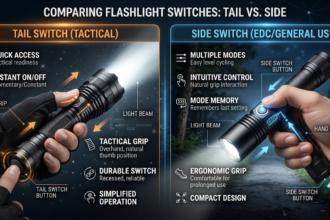
- Seal layout and O‑rings: Examine the sealing and o-rings for IPX ratings—look for double or captive O‑rings, quality silicone (not brittle), and spare rings included. Threaded joints with smooth, deep threads and a thin film of lubricant seal far better than loose, dry joins.
- Battery geometry and contacts: A snug battery fit with well‑designed springs or pogo pins prevents movement that can shear seals. Avoid designs where the battery rattles freely.
- Switch and charging choices: Sealed mechanical switches (with internal boot or magnetic actuation) outlast exposed toggles. Charging ports behind a robust, tethered cover or a potted internal module reduce leak points.
- Materials and finishes: Hard‑anodized aluminum and stainless fasteners resist corrosion; poor coatings blister in saltwater. Check for visible gaps around the lens and bezel; bonded lenses or retained o‑rings are preferable.
Simple tactile checks—wiggle the switch, shake for battery play, inspect exposed ports—reveal construction quality that the IP digit cannot convey.
No rattle: shake for battery movement
No visible gaps: around lens, switch, port covers
Spare O‑ring: indicator of manufacturer confidence
How immersion and aging degrade performance
Even flashlights that pass IPX7 or IPX8 can lose performance over repeated wet use. Laboratory immersion tests are one‑time checks; they cannot reproduce cumulative stress or the many real‑world variables in the field — including the cumulative water exposure and runtime effects that drive most failures.
Immediate failure modes
- Electrical shorts: breached seals or trapped conductive contaminants cause sudden loss of function or permanent damage to drivers and batteries.
- Internal condensation: rapid temperature change drives moisture onto optics and electronics, producing flicker, scattering, or diminished beam contrast.
- Mechanical seal damage: thread deformation or compressed O‑rings stop sealing after a few cycles.
Thermal/runtime and long‑term degradation
Submersion alters thermal paths and can mask overheating or battery stress; shorting increases current draw and shortens runtime. Over months, corrosion (galvanic action, pitting, spring corrosion) raises contact resistance and scars reflectors, quietly reducing output. Saltwater and disassembly without cleaning accelerate this decline.
Basic maintenance—freshwater rinses after salt exposure, drying, and O‑ring inspection—helps slow but does not eliminate inevitable wear.
Even when a light still turns on, corrosion and seal creep can halve runtime and double failure risk over a few seasons. Plan maintenance and inspect contacts regularly to maintain reliability.
Buyer Q&A: Diving, Drops, Depth Numbers, Test Claims
Can an IPX8 flashlight be used for scuba diving?
IPX8 alone does not guarantee scuba suitability. The mark usually reflects manufacturer‑defined static immersion; dynamic pressure, depth cycling and saltwater corrosion typical of diving are often untested. A specified depth/ATM rating and an explicit “dive‑rated” claim backed by testing indicate higher suitability.
Will repeated drops off a boat ruin the waterproofing?
Repeated impacts and thermal/pressure cycling accelerate seal wear, crack housings and push contaminants into joints. Flashlights with robust impact ratings, replaceable O‑rings and serviceable construction withstand such abuse better than sealed disposable units.
How should manufacturer depth figures be read?
Manufacturer depth/time figures replace the generic IPX8 label and describe a specific test setup, usually static immersion in freshwater. The specification should state whether numbers apply to freshwater or saltwater, static versus dynamic conditions, and whether duration is continuous or per cycle.
How to spot trustworthy waterproof claims?
Trustworthy claims cite third‑party lab reports, explicit test protocols, saltwater testing disclosure, warranty terms covering immersion and independent pressure‑test videos. Vague marketing such as “waterproof” without data is a red flag.
Quick checklist: match use to rating, build, and upkeep
- Everyday Carry (EDC)Minimum IPX7 for rain and accidental drops; IPX8 preferred for frequent wet-weather use. Favor compact bodies with sealed tailcaps or magnetic switches and redundant O‑rings to keep contacts dry.Look forIPX7+ body, sealed switch, good O‑rings, snug battery fitAvoidopen ports, exposed springs, nonsealed pushbuttons
- Boating & marine useRequire IPX8 with corrosion‑resistant materials (marine‑grade stainless or anodized aluminum) and double seals; manufacturer saltwater claims are a plus. Expect replaceable O‑rings and design features that shed spray and prevent pooled water.Look forIPX8 + corrosion resistance, double O‑rings, replaceable sealsAvoiduntested IPX8 claims, dissimilar metals, glued-only seals
- Snorkeling & surface water sportsChoose IPX8 rated for at least 3–5 m or explicitly listed for snorkeling; switches must operate reliably underwater and batteries must remain sealed. Lightweight, wrist‑tetherable designs with easy seal access are useful.Look forIPX8 depth spec, underwater‑operable switch, sealed battery compartmentAvoidIPX7-only immersion claims, nonreplaceable seals
- Rescue, search, and professional useSpecify IPX8 with explicit depth/duration, MIL‑STD shock resistance, robust thermal management, and serviceable seals. Plan for spare O‑rings, routine pressure/inspection cycles, and easy post‑exposure maintenance.Look formanufacturer depth/duration specs, MIL‑STD rating, serviceable sealsAvoidconsumer‑grade only claims, inaccessible seals, unserviceable internals
Final rule and care
- IPX7: short immersion and rain; needs solid construction to be reliable.
- IPX8: specified depth/duration—choose for repeated or prolonged submersion.
- Care: freshwater rinse after salt, inspect/replace O‑rings, avoid pressure‑washing.
IPX7 on a well‑built flashlight is adequate for rain, splashes and accidental drops. Choose IPX8—with a manufacturer‑stated depth/duration—for repeated or prolonged submersion.
Maintenance preserves ratings: rinse with freshwater after salt exposure, dry, inspect and replace O‑rings, and never pressure‑wash.






12 Comments
I’m skeptical about manufacturers’ depth claims. The article says dynamic pressure and impacts aren’t simulated — that seems like a massive gap for real-world use (boat drops, waves). Anyone have experience with a light surviving a fall from a boat despite only being IPX7?
You’re right to be skeptical. IPX tests are static immersion; they don’t simulate impact or pressure spikes from falls. Some lights survive boat drops because of robust mechanical design (strong seals, thick walls, cushioned internals), not the IP rating alone. Look for construction details (bezel design, switch type, battery retention) and user drop tests. Also check if the manufacturer mentions impact rating (e.g., IK rating) in addition to IP.
Bit of an edge case: what about rechargeable battery compartments that have USB ports and are IPX8? Are the ports weak spots even if they have covers? I worry about micro leaks around flaps.
Good concern — ports are common weak points. Covers can fail with wear or improper seating. For serious submersion use, prefer models with sealed charging bays, magnet charging through the body, or internal batteries with sealed electronics. If the light relies on flaps, inspect them regularly and avoid prolonged submersion.
Nice article but one tiny nitpick: it reads like IPX7 is always exactly 1m/30min — which is technically correct for the test, but in real life that’s kind of arbitrary. If you drop a light in a fast-moving stream at 1m depth, you’re getting dynamic forces way beyond the test.
Still useful overview though.
Quick question: if IPX8 is manufacturer-defined, could a brand offer an IPX8 that’s actually less protective than a competitor’s IPX7 in practice? Seems like that could happen.
I’m thinking about buying for underwater photography and want to avoid surprises.
Yes, that can happen. A conservative IPX8 (e.g., 1.5m/30min) from one brand could be less protective than a generous IPX7 implementation with robust construction in another. For underwater photography you should require explicit depth/time specs, preferably tests beyond the IP standard, and materials suitable for saltwater. Also look for user dive logs and third-party submersion tests.
Short and sweet: I carry a headlamp while kayaking — is IPX7 enough? I’d rather not overpay for IPX8 if it’s unnecessary.
For kayaking, IPX7 is usually sufficient — it covers rain, splashes, and brief drops/immersion to about 1m for 30 minutes. If you plan to submerge the lamp repeatedly, or expect deeper pockets/puddles where it could stay underwater longer, consider IPX8 with clear depth/duration specs.
Loved the ‘design beats rating’ section. My cheap flashlight had IPX8 stamped on it but the threads were terrible and water got in. I learned the hard way that good threads, proper switch design, and battery fit are more important than the sticker.
Why do so many brands skimp on those parts and still claim high ratings? Greed? Marketing?
Good clear breakdown. So IPX8 could mean 2 meters for 2 hours for one brand and 10 meters for another? That variability makes buying confusing — any quick tips on how to read a spec sheet to know which one actually meets my use-case?
Exactly — IPX8 is a promise to do better than IPX7 but the depth/duration are manufacturer-defined. Quick tips: look for explicit depth and time numbers (e.g., “IPX8: 5m/2h”), search the manual for test conditions, and watch for terms like “saltwater rated” or specific standards (ISO 22810 for watches, for example). If a listing is vague, contact support or favor brands with full dive specs and user dive tests.