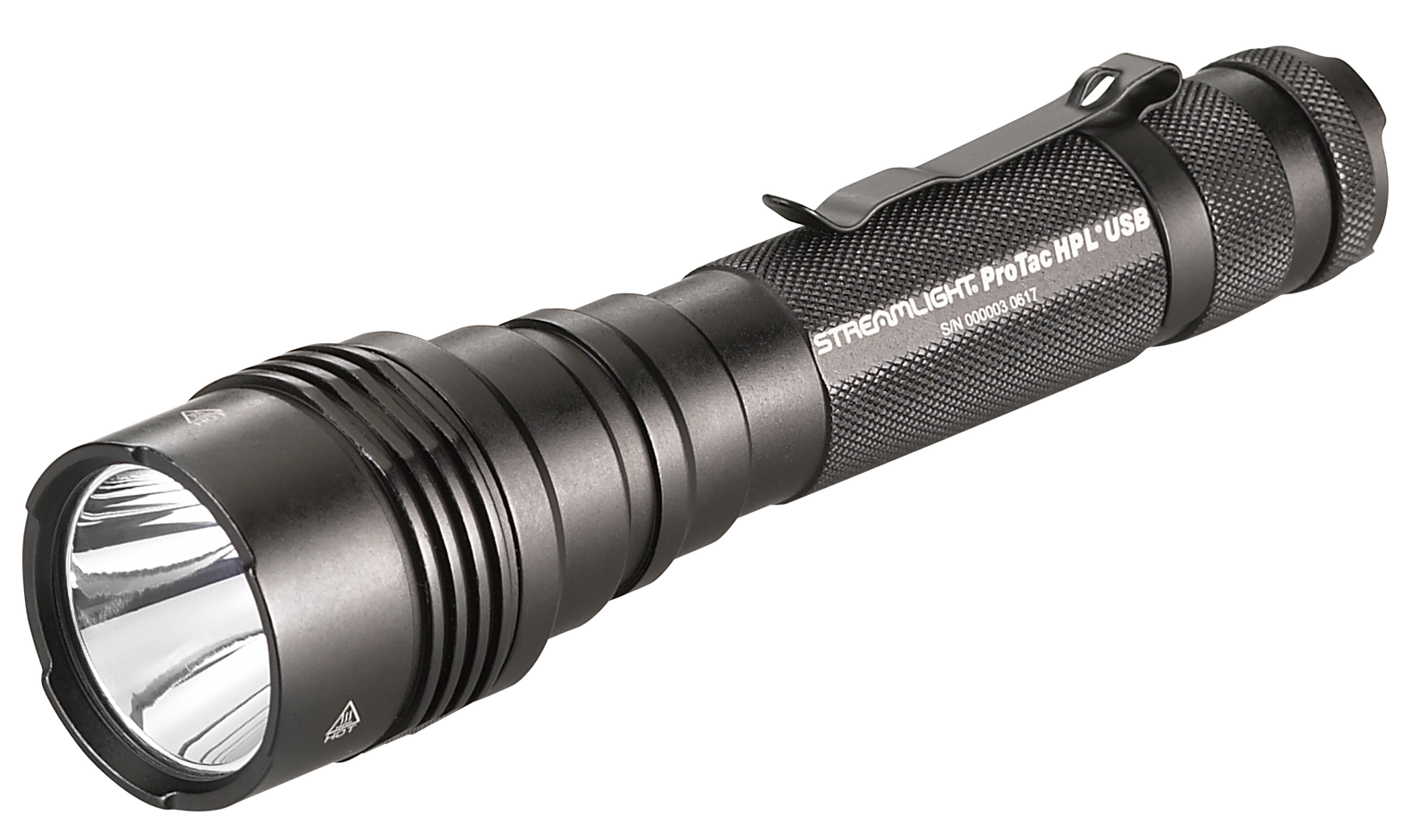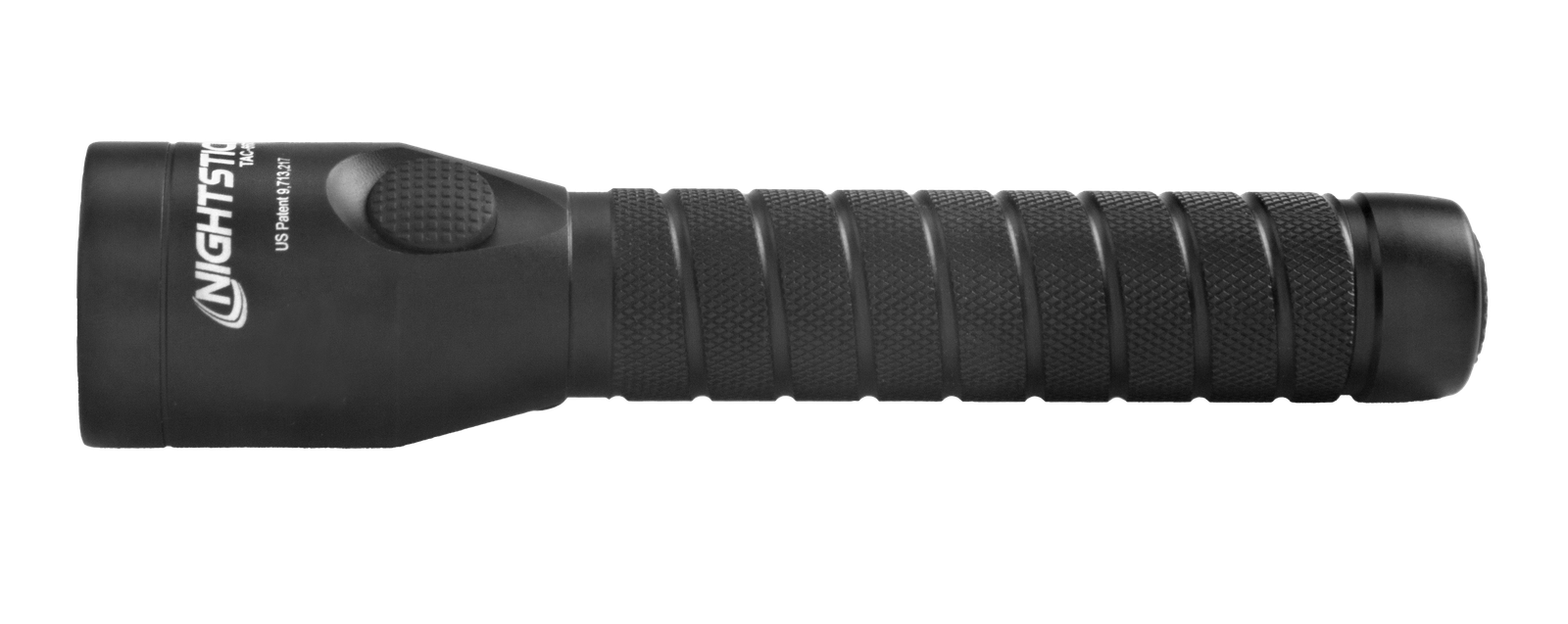
Nightstick 1100 Lumens Tactical Flashlight
Product: Nightstick Compact Tactical Flashlight 1100 Lumens
Price: $106.49
Description excerpt: The Bayco Compact Tactical Flashlight delivers 1100 lumens of powerful light with a 228-meter beam, thanks to its deep parabolic reflector. Made of durable aircraft-grade 6061-T6 aluminum with a Type III hard-anodized finish, it is built to last.
Quick answer
The product data you provided does not list a specific runtime or battery type, so an exact battery-life figure for this Nightstick/Bayco unit cannot be given from that information alone. Typical run-times for compact tactical flashlights at 1,100 lumens are usually in the range of under an hour to a couple of hours on a fresh high-capacity rechargeable cell, depending on the battery chemistry, capacity, and drive circuitry.
Typical runtime estimates (illustrative)
Below are representative estimates for common battery types used in compact tactical lights. These are approximate — actual results will vary by model, battery brand, age, temperature, and exact current draw.
- High mode (1100 lumens)
- Single 18650 Li-ion (2,500–3,500 mAh): roughly 0.75–1.5 hours (45–90 minutes)
- Two CR123A (pair, equivalent capacity ~1,200–1,500 mAh): roughly 0.4–1.0 hours (25–60 minutes)
- Built-in rechargeable packs vary widely; expect ~0.5–2 hours depending on pack capacity
- Medium mode (300–500 lumens)
- Typically 2–5 hours on the same cells
- Low mode (50–100 lumens)
- Often yields 8–20+ hours
Why runtimes vary
- Battery chemistry and capacity (mAh) — Li-ion 18650 cells generally provide the best run time per charge; CR123A and smaller AA/AAA cells give less runtime.
- Number of cells and configuration — series vs. parallel arrangements change voltage and capacity available to the driver.
- Driver efficiency — some flashlights use more efficient electronics and buck/boost drivers that lengthen runtime at a given output.
- Mode and output level — using the full 1100-lumen turbo mode drains the battery much faster than low or eco modes.
- Battery age and condition — older cells or poor-quality cells have reduced capacity.
- Temperature and environment — cold temperatures reduce effective capacity and runtime.
How to get the actual battery life for this exact model
- Check the manufacturer’s specifications page or the downloadable user manual for the Nightstick/Bayco model number. The runtime is commonly listed under specifications.
- Look for the listed battery type (e.g., 1×18650, 2×CR123A, or built-in rechargeable) — that tells you what capacity options are realistic.
- Search for independent reviews or runtime tests from reviewers; they often measure real-world minutes on each mode.
- If buying from a retailer, ask the seller or check the product Q&A for runtime information.
Tips to maximize battery life
- Use lower brightness modes for routine tasks instead of turbo/high.
- Carry a spare charged battery or spare cells if you rely on the light for work or safety.
- Use high-quality, reputable batteries (and a quality charger for rechargeables).
- Avoid extreme cold; store and operate in milder temperatures when possible.
- If the flashlight has a regulated mode or eco mode, use it to get longer, more consistent runtimes.
Charging, replacement, and safety notes
- Do not mix old and new batteries or different chemistries in the same flashlight.
- Follow the manufacturer’s guidance if the light uses a built-in rechargeable pack—use only specified chargers and cable types.
- Replace rechargeable cells that show reduced capacity or physical damage.
- Dispose of batteries properly at appropriate recycling or collection locations.
Bottom line
Without the specific battery specs for the Nightstick Compact Tactical Flashlight 1100 Lumens, an exact run-time cannot be guaranteed from the given description. As a rule of thumb, expect roughly 45–90 minutes on high (1100 lumens) with a fresh high-capacity 18650 cell; medium and low modes will last significantly longer. For a definitive number, check the manufacturer’s spec sheet or an independent runtime test for the exact model.