
Dress trousers expose a weak belt long before they reveal a holster.
At a meeting, a belt has to disappear into the outfit: a trim strap, restrained buckle, and leather finish that belongs with polished shoes rather than range gear. Yet an inside-the-waistband holster concentrates weight and leverage at one point, where an ordinary fashion belt often rolls, sags, or lets the grip tip outward.
A belt that looks normal is therefore not merely thin. It needs enough internal stiffness to resist that localized pull while remaining narrow enough for dress-pant loops and supple enough to sit cleanly under a tucked shirt. The useful balance is a conventional leather appearance paired with a reinforced, multi-layer build; excessive thickness, oversized hardware, contrast stitching, and conspicuous tactical webbing undermine the effect. Fit matters as much as construction: stable tension keeps the holster positioned without cinching the waistband into obvious bunching.
- A buckle that is wider or more sculpted than the trouser’s other hardware.
- A belt edge that bulges at the holster clip instead of staying flat.
- Visible waistband collapse between belt loops.
- A belt that reads as dresswearA 1.25- to 1.5-inch leather strap can suit many dress-pants loops, but the buckle is equally visible: low-profile, polished or subdued hardware keeps the waistline credible under a tucked shirt.Look forNarrow, plain leather and a compact buckle that clears the trouser loops.AvoidWide tactical proportions, oversized buckles, contrast stitching, or conspicuous branding.
- Structure matched to the carried setupDress leather still needs enough longitudinal stiffness to keep a holster from rolling outward or pulling the waistband into waves. A firm, well-finished strap can remain discreet; excessive bulk can print through fine trousers.Look forDense leather, reinforced construction, clean edges, and controlled stiffness.AvoidSoft fashion belts that curl at the holster, or thick layers that overwhelm tailored fabric.
Pant labels and belt labels are unreliable stand-ins for fit. The useful check is whether the specific belt, buckle, loops, holster clips, and carried load work together.
Compare the distance from the buckle fold to the normally used hole on a belt that fits. Carry gear can change the required setting, so a stated waist size alone does not establish the correct belt size.
Confirm the strap width against the narrowest loop, then account for buckle thickness and holster-clip clearance. A belt may fit through the loops yet still create a bulky front closure or a crowded clip location.
A clean appearance depends on the belt staying level after the holster is attached, not merely looking refined when laid flat.
Five belts, five clear jobs
Check each listing’s width, size range, and measurement method against the actual trousers and intended holster. A carry setup adds bulk at the waist; a belt that fits bare trousers can run short once loaded.
1791 Stealth Black: the clean match for black trousers
01
Best for durable, discreet everyday carry with classic styling
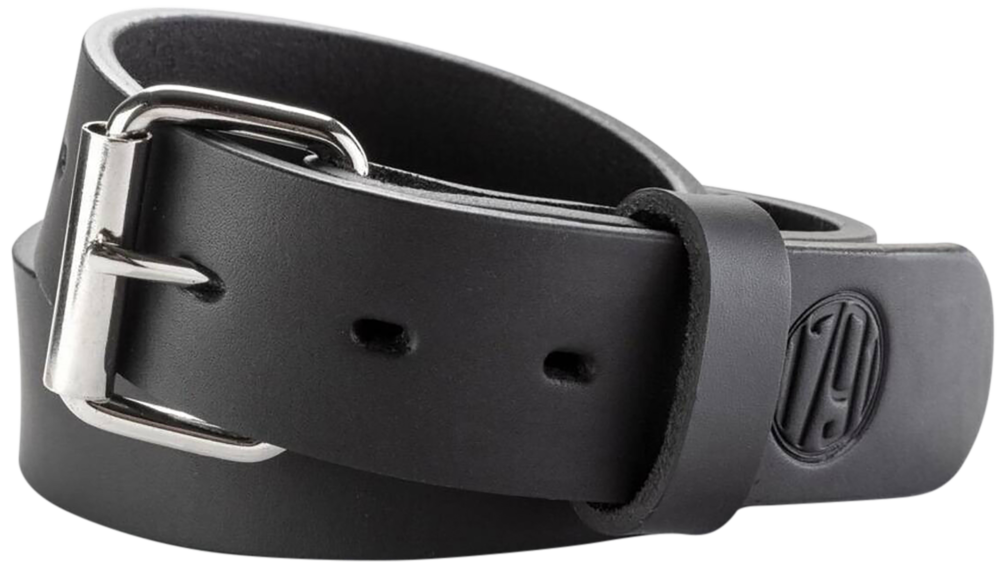
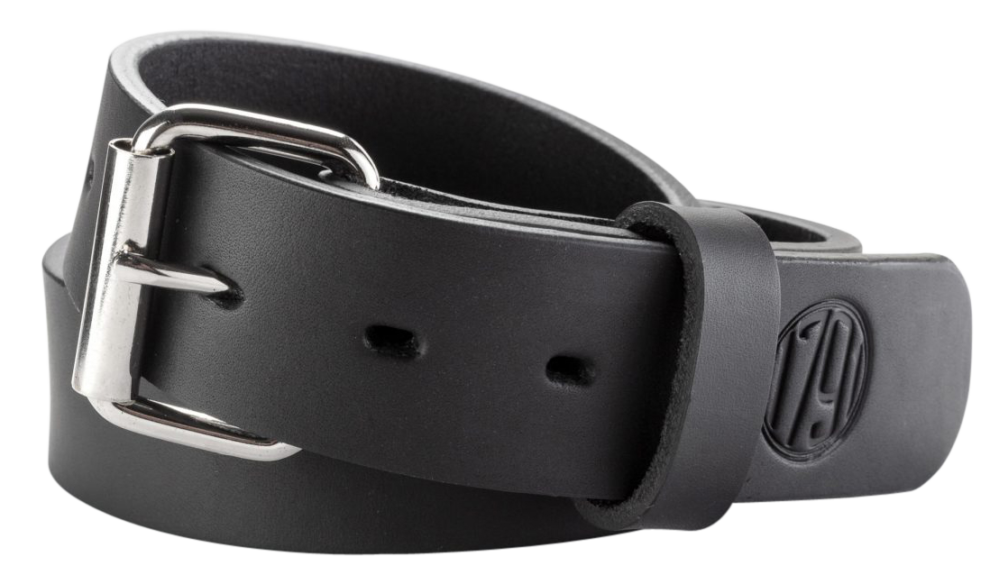
The 1791 Stealth Black is the refined choice when a carry belt needs to disappear into black wool trousers, pressed chinos, or business-casual separates. Its premium-leather construction and plain black presentation read more like conventional dress leather than overt tactical gear, while the steel buckle and Chicago-screw construction keep the hardware purposeful.
Proportions matter here. Confirm that the belt’s width clears the trouser loops without crowding them, and that a holster clip has enough flat belt surface to bite securely rather than riding over a buckle-adjacent curve. Those carrying a particularly heavy pistol, spare magazine, or all-day OWB rig may find the brand’s heavier steerhide option a better structural match.
- Clean black leather suits dress pants and chinos
- Steel buckle keeps the front profile composed
- Leather gradually conforms without looking casual
- Chicago screws simplify hardware service
- Less ideal for the heaviest carry loads
- Belt-loop and clip fit need checking
- Leather break-in can alter initial feel
Quick take A polished, conventional-looking carry belt with enough structure for restrained everyday setups. Move to heavier steerhide when load stability matters more than dress-belt subtlety.
For black dress pants, this is the most convincing blend of office-appropriate finish and practical carry construction. Its restrained hardware and premium leather keep the look formal enough for business-casual settings. Shoppers prioritizing absolute rigidity over a polished silhouette can look instead to a heavier steerhide belt.
1791 Stealth Black: heavy steerhide for steadier carry
A strong, body-conforming belt with understated black styling
The 1791 Gunleather Stealth Black Leather Gun Belt is built around substantial American steerhide rather than a thin dress-belt profile. Its 1.5-inch width and firm leather suit a more demanding concealed-carry arrangement, where the belt must keep a holster from pulling the waistband downward or folding outward at the attachment points.
Steerhide also tends to break in by conforming to the wearer’s shape while retaining more structure than soft fashion leather. The plain black finish keeps the look restrained with black trousers, although the belt’s physical presence is better matched to standard-weight wool, cotton, or denim-blend dress pants than exceptionally light, sharply tailored fabric.
- Heavy steerhide resists sag
- Firm edge limits rollover
- Conforms with wear
- Understated black finish
- Less subtle under light trousers
- May feel stiff initially
- 1.5-inch width can look substantial
A simple black-leather starting point
Best for affordable everyday wear with a sleek appearance
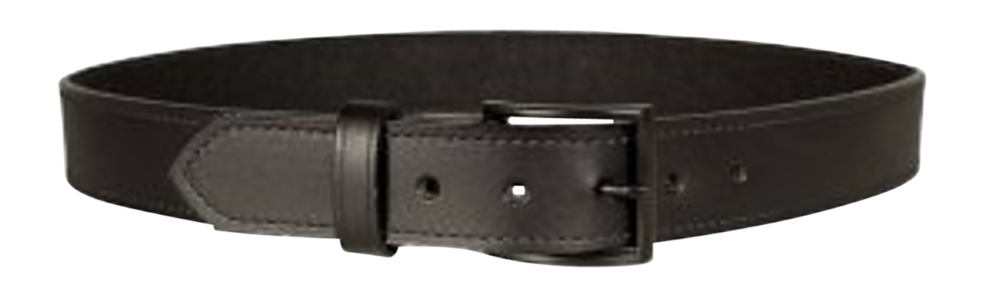
The DeSantis Gunhide Everyday Carry Belt is the practical black option for a first dress-capable carry rotation or for keeping a dedicated secondary belt ready for office trousers. Its conventional leather appearance and buckle closure are intended to disappear into a normal business-casual outfit rather than announce specialized gear.
At this level, the details matter more than the product name. Product listings can be thin on the leather finish, buckle metal and coating, edge treatment, and internal reinforcement—or whether the belt relies solely on leather thickness. Those specifics determine whether the black stays crisp, the hardware remains suitably understated, and the belt has enough vertical stiffness for a holster without looking overly bulky under tailored pants. The listed Size 38 also makes measurement from the buckle fold essential before treating it as a fit match.
- Conventional black-leather appearance
- Straightforward buckle closure
- Accessible second-belt role
- Reinforcement is not specified
- Finish and hardware details need checking
- Listed size limits fit certainty
1791 Vintage Leather Gun Belt: for textured, heritage-minded tailoring
A sophisticated choice for classic leather styling
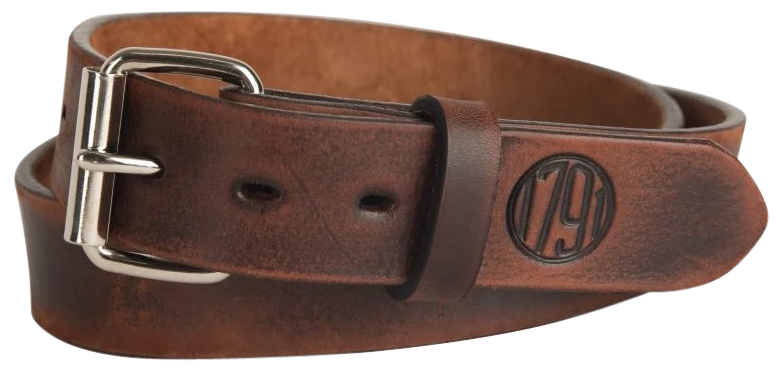
The 1791 Vintage Leather Gun Belt 3842 is the one to pair with clothes that already have visible texture and warmth: tweed or brushed sport coats, wool flannel trousers, chambray shirts, and leather boots. Its aged-looking leather gives the belt a deliberate presence rather than trying to disappear into the outfit.
That personality works especially well in heritage-oriented business casual, where a belt can echo the grain of footwear and the depth of brown tailoring. The leather is designed to soften and conform over time, while the steel buckle keeps the look grounded in traditional hardware. Against a minimalist black suit, sharply pressed charcoal trousers, or sleek formal shoes, however, its finish reads more casual and more noticeable than a smooth black belt.
- Vintage finish complements tweed, flannel, and boots
- Leather can develop a more personal fit over time
- Steel buckle suits traditional business-casual styling
- Aged finish is less discreet with minimalist formalwear
- More visual texture than smooth black leather
- Traditional hardware may feel too casual for sleek tailoring
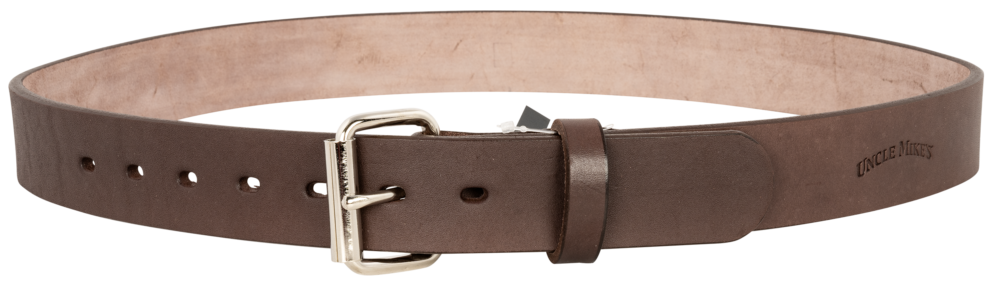
Uncle Mike’s Dark Brown Leather Gun Belt for brown-shoe outfits
Best for shoppers wanting a sturdy brown leather option
Dark brown is the quieter alternative to black when the outfit is built around brown oxfords, derby shoes, loafers, or boots. This Uncle Mike’s leather gun belt fits naturally with conservative navy and gray trousers, as well as business-casual chinos, provided its actual brown tone sits near the footwear rather than merely sharing the word “brown.”
The distinction matters: espresso shoes can make a lighter chestnut belt look accidental, while warm tan shoes may clash with a cool, nearly-black dark brown. Buckle metal deserves the same attention. A subdued brass-toned buckle generally reads more cohesively with warm brown accessories; silver-tone hardware can suit cooler brown shoes, a steel watch, or gray tailoring. The classic styling keeps the belt from announcing its carry-focused purpose at a glance.
- Dark brown coordinates with navy, gray, and brown footwear
- Classic leather appearance suits business-casual wardrobes
- Sturdy leather construction supports everyday belt duty
- Shade matching is less forgiving than with black leather
- Buckle finish may not match every watch or shoe accessory
- Limited construction specifications leave carry rigidity unclear
Match the belt to the carry system
A dress belt is not automatically a carry belt merely because it is leather. The useful match depends on the combined load: firearm, holster, spare magazine if carried, and the leverage created when that load sits away from the body.
A compact setup in a close-fitting holster can work well with a more supple belt, which preserves the clean drape of fine wool trousers. A larger or heavier setup usually benefits from firmer, less stretchy leather; otherwise the waistband can roll outward and the holster can cant during ordinary movement.
Clips matter as much as belt stiffness. Wide metal clips need a belt thick enough to grip without walking along the leather, while discreet plastic clips may be less obvious but can be sensitive to belt thickness and trouser fabric. Thin, slick dress-pant material also reveals pressure and sag sooner than sturdy cotton or textured wool.
Trouser loop spacing sets practical limits. A holster clip placed between widely spaced loops has more room to migrate, especially when seated. When the rig changes position through the day, belt keepers that limit holster shifting can connect the clip directly to a loop without making the belt itself excessively rigid.
A very rigid belt can control a demanding holster yet look bulky under lightweight tailoring. The best result is usually the least visible structure that keeps the holster upright and repeatable.
Confirm the belt works with the actual outfit
-
Measure at the intended wearing position
Measure around the trousers and holster at the height where the setup will sit, rather than relying on marked trouser size.
-
Check buckle clearance
A compact buckle is easier to place away from the holster and is less likely to print through a tucked shirt.
-
Map the belt loops
Note where clips land relative to loops before committing to a belt width or holster position.
-
Assess the belt tail
The selected hole should leave enough tail to reach the first keeper cleanly, without creating a long, obvious strap.
-
Test the complete system
Evaluate the belt with the chosen holster and typical trousers; an empty waistband test cannot show clip movement or fabric distortion.
Support needs to match the holster, firearm, and trousers.
An overly rigid, thick strap can fight thin dress-pant loops, print at the waist, and feel board-like when seated. Moderate structure often controls a compact setup without changing the trouser’s drape.
A smooth dark-brown belt can look fully at home with navy, gray, olive, and brown tailoring.
The key is a close relationship to the shoes and restrained hardware—not black leather by default. Avoid heavily distressed finishes when the outfit is formal.
A normal buckle, quiet leather finish, and conventional width communicate less than conspicuous hardware or webbing.
The useful difference is internal: leather weight, reinforcement, and resistance to rolling under holster pressure. An ordinary fashion belt may look similar but can sag, curl, or let clips shift.
A carry belt is not merely a thicker leather accessory. It must keep the holster’s attachment points stable while limiting downward sag and waistband collapse. The best dress-pants versions hide that function behind smooth leather, modest buckle size, and a profile that does not overpower the outfit.
Start with the trousers, then build the carry belt around them
- Measure from the buckle fold to the most-used hole rather than relying on pant-tag size.
- Confirm that the holster clips or loops fit the belt’s actual width before committing to a leather style.
For the cleanest black-trouser pairing, the 1791 Stealth Black Premium Leather Gun Belt is the strongest starting point: its restrained finish suits office-ready outfits without looking overtly tactical. Select the Heavy Steerhide version when a larger or heavier existing carry setup needs more resistance to sag. The DeSantis Everyday Carry is the sensible basic black-leather alternative, while the 1791 Vintage 3842 fits textured, heritage-leaning clothing. For navy, gray, and brown-shoe combinations, the Uncle Mike’s Dark Brown is the natural match.
Begin with trouser color and formality, then match belt width to the loops and trouser proportions. Next, check buckle thickness, available size range, and hole placement against the holster’s clips or loops. A belt looks ordinary when its leather, width, and hardware belong with the outfit—but it still needs enough structure for the carried setup to remain stable and avoid pulling the waistband out of shape.






7 Comments
The vintage 1791 looks nice, but calling it dress-ready feels a little generous. With a suit, that distressed texture would stand out more than I want. For tweed or cords? Absolutely.
No ratchet belt option? I know some people hate the look, but the micro-adjustments are great when carrying appendix—especially after a large lunch 😅
The dark brown recommendation makes sense. People treat brown belts as casual by default, but a clean dark brown leather belt with matching shoes works beautifully with navy and charcoal.
I wear charcoal wool trousers most days and rotate black and dark brown shoes. If I only buy one belt first, would you favor the black Stealth for versatility, or dark brown because it is less severe with gray?
I’m carrying a P365, so I don’t need a bridge cable disguised as a belt.
For one belt and a P365, I would start with the black Stealth if black shoes are part of your regular rotation and your trousers lean formal. It is the easier match for conservative business wear. Add dark brown later if brown shoes are your default; with charcoal, the shoe-and-belt match matters more than whether brown is inherently more or less formal.
Seconding this. Black belt/black shoes with charcoal is the easiest no-thinking combo. Dark brown looks great too, but only when the shoe shade is close.
Minor gripe: “premium leather” tells me almost nothing without thickness, liner details, or whether the edges are stitched/burnished. Marketing language is gonna marketing, I suppose.
Still, the point about matching rigidity to the load is exactly right. A belt that feels great with a small revolver can be miserable with a larger pistol after lunch.