


Dr. Scholl’s Blister Pain Relief Complete Kit, 8 ct - The Only Blister Treatment with an Active Pain Reliever, Seal & Heal Bandages with Hydrogel Technology,...
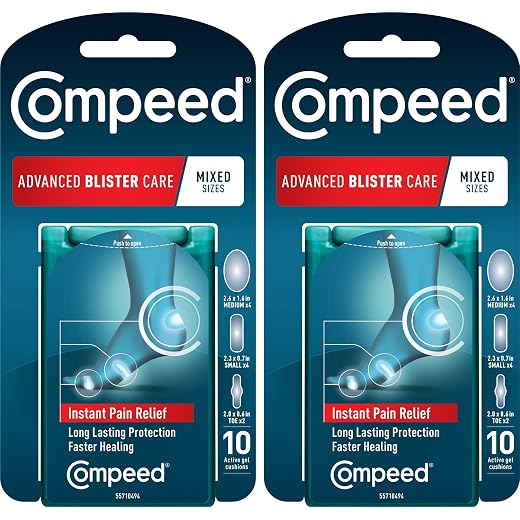
Compeed Advanced Blister Care Pads, Hydrocolloid Gel Cushions for Instant Pain Relief and Faster Healing, Mixed Sizes, 10 Count (2 Packs)
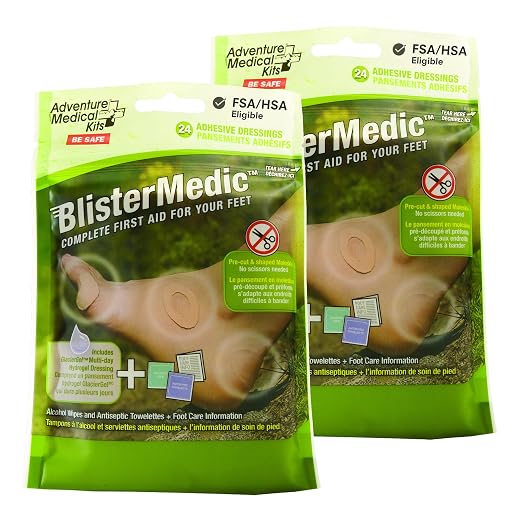
Adventure Medical Kits Blister Medic Kit, Pack of 2 | Compact 2-Pack Blister Medic Kit Provides Lightweight, Easy-to-Pack Foot Care Supplies for Hiking &...
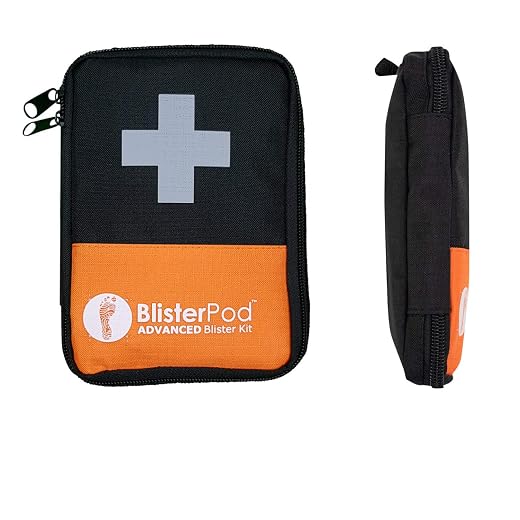
Advanced Blister Kit (18 Pc. Set) | Made for Sport & Outdoors | Foot Blister Prevention and Treatment, Heel to Toe | Pack Light for Travel, Hiking, Running,...

BAND-AID Brand Pro Heal 5 Day Protect Hydrocolloid Blister Bandages, 6 Ct | 100% Waterproof, Advanced Healing for Wound Care, Extra Cushion for Blister...
A few millimetres of rubbing can turn the walk back to the trailhead into the longest part of the day.
The warning often arrives on a descent: a heel that suddenly feels warm, a toe catching the seam of a damp sock, or a sting each time the foot rolls forward. At that point, a pocket treatment needs to do more than cover skin. It must suit the stage—friction-prone intact skin, a fluid-filled blister, or a torn roof—while staying attached inside a sweaty, wet, grit-filled shoe.
Hydrocolloid pads can cushion and reduce shear on clean, dry intact blisters, but their adhesion may suffer when feet are wet or heavily lotioned. Thin tapes and moleskin-style donuts can off-load a hot spot before it becomes a blister, whereas a compact kit adds cleansing, dressings, and shaped padding for less tidy trail scenarios. Packability matters too: a pad that creases in a hip belt pocket or needs perfectly dry skin may be less useful than a slightly bulkier option that can be applied quickly with cold fingers.
- Feet commonly swell later in a hike, changing both toe-box pressure and dressing fit.
- A small pair of scissors can make shaped off-loading pads far more adaptable than pre-cut pieces.

Match the kit to the friction problem
- Match the shape Hydrocolloid cushions fit intact, rubbing-prone skin particularly well; shape and adhesion can matter as much as thickness.
- Separate the jobs A pain-relief patch and a friction barrier solve different problems. The former may add comfort; the latter focuses on shielding the area.
- Pack for context Mixed-size pads favor variable foot anatomy, while modular kits favor organization and sharing across a group.
- Fix the friction No kit eliminates the cause of a blister. Wet socks, debris, and a shifting shoe can undermine even a well-adhered cover.
Test the patch before trusting it on trail
- Application under trail conditionsA treatment earns pocket space when its tabs separate cleanly with cold fingers and it can be centered without folding. Individually sealed pieces survive a wet pack better than loose sheets.Worth carryingEasy-release backing and sealed singles.Often disappointingTiny tabs, fussy layers, or unprotected loose pads.
- Stay-on power versus the actual problemHydrocolloid pads cushion and protect an already-rubbed hotspot or intact blister; waterproof bandages primarily keep a cover attached through rain and sweat. Friction barriers reduce rubbing before skin damage, while tape is the flexible option for securing layers or making a custom shape.Worth carryingA product type matched to timing and terrain.Often disappointingExpecting one patch to prevent, cushion, and secure everything.
- Coverage, bulk, and resupplyHeel, toe, and side-of-foot shapes matter more than a large piece count. A compact assortment is useful only if replacement pads or tape can be found locally between trail sections.Worth carryingUseful shapes with a realistic refill path.Often disappointingBulky kits packed with duplicate, rarely fitting sizes.
A waterproof bandage can remain attached in rain yet offer little shear reduction inside a moving shoe. Conversely, a hydrocolloid pad may cushion well but lose its edge on damp, oily, or heavily creased skin. Carrying a small friction barrier or tape strip alongside pads covers the failure mode that a single treatment format misses.
Read the skin before opening the dressing
-
Find the friction stage
A hot spot is tender, red, or warm with skin intact. An intact blister has a fluid-filled roof; torn skin is an open wound and needs a different, cleaner approach than simply covering friction.
-
Create a dry bonding surface
Wipe away sweat, grit, sunscreen, and sock fibers, then let the area dry. Hydrocolloid pads and tape depend on clean, dry skin; moisture beneath an edge often turns a long-wear patch into a trail-side peel.
-
Choose protection that matches the surface
A hot spot may benefit from a low-profile friction barrier. An intact blister can be cushioned without stripping its roof, while open skin calls for a non-adherent contact layer and protective cover rather than aggressive adhesive directly on the raw area.
-
Lock down every edge
Warm the pad between clean hands, apply without wrinkles, and press the perimeter firmly. On heels, toes, and other flexing zones, a pad may need an over-tape frame; compact kits pair well with sewing fixes that help secure blister pads.
-
Reassess after a short walk
If the dressing slides, bunches, becomes soaked, or increases pressure, it is no longer solving the friction problem. Change the footwear, sock, or gaiter setup as well as the dressing.
Adhesives are least reliable on wet, heavily creased, hairy, or continuously moving skin.
Increasing pain, spreading redness or warmth, drainage, red streaking, fever, numbness, or difficulty bearing weight can indicate a problem beyond routine trail care. Ending the hike and seeking timely clinical evaluation may be more appropriate than repeatedly re-taping the area.
Avoid applying a blister pad over dirty, deeply damaged, or actively bleeding skin. A clean protective covering can reduce further contamination while the situation is assessed.
Compeed Advanced pads for varied trail friction points
01
Top choice for versatile, long-lasting blister protection
Compeed’s mixed pack combines small, medium, and toe-shaped hydrocolloid dressings in a pocketable format. It suits hikers whose trouble spots move between heel curves, toe tops, and the outside edge of the forefoot, where a single large rectangular patch can feel wasteful or awkward.
The dressings are intended to form a cushioned, water-resistant cover and are supplied ready to apply rather than as a sheet to trim. That makes the format particularly convenient when hands are cold, time is short, or a pack has been reduced to essentials.
- Three shapes cover common heel, toe, and forefoot friction zones
- Ready-cut patches avoid trail-side trimming
- Hydrocolloid cushioning can remain in place through wet, active days
- Ten-patch packs are easy to split between pockets or partners
- Individual wrappers take more room than a flat cut-to-fit sheet
- Fixed shapes cannot be tailored around unusual seams or large abrasion zones
- Toe patches are limited in number per pack
- Clean, dry skin still matters for reliable edge adhesion
Trail take A notably practical all-round format when several foot zones may need protection. Its convenience comes from pre-cut variety, while sheet dressings remain more adaptable for odd-shaped problems.
For a compact hiking kit, this is a strong balance of shape coverage and fuss-free application. The medium pads can suit broader heel contact points, while the small and toe options make better use of the pack on narrow areas. Hikers who routinely need a long strip or a custom outline may find a trim-to-fit hydrocolloid sheet more economical in space and material.
Best for blisters needing targeted pain relief
Dr. Scholl’s Complete Blister Pain Relief Kit is built for the hiker who already has a painful friction point and values comfort over a purely protective cover. The current eight-count listing combines 4% lidocaine pain-relief patches with hydrogel Seal & Heal bandages, so it covers two distinct jobs: temporary numbing and cushioned sealing. That makes it more purposeful than a plain hydrocolloid refill, although the listing does not specify the count of each patch type. It fits a day-hike pouch particularly well when a standard first-aid kit lacks blister-specific cushioning.
- 4% lidocaine targets blister pain
- Hydrogel bandages cushion and seal
- Two treatment approaches in one pack
- Compact eight-count format
- Patch-by-patch contents are not specified
- Can duplicate bandages already carried
- Fewer shape options than mixed pad packs
- Pain-relief patch is not a replacement for friction control
Affordable protection with up to five-day wear
BAND-AID Pro Heal: familiar waterproof coverage for spare kits
These individually wrapped hydrocolloid bandages make an accessible add-on for hikers building several small packs rather than one elaborate foot-care kit. Their conventional bandage-style format is quick to recognize and deploy, while the waterproof seal and cushioning suit routine blister protection on heels and other relatively smooth areas. The trade-off is a less specialized fit than purpose-shaped trail patches: high-flex toe joints, deep heel curves, and sweaty edges can be more demanding environments for a flat, general-purpose dressing.
- Individually wrapped
- Waterproof hydrocolloid cover
- Familiar application
- Extra cushioning
- Limited contour options
- Modest cushion depth
- Flex zones can challenge adhesion
Lightweight foot-care supplies for hiking and backpacking
Adventure Medical Kits’ Compact Blister Medic Kit is a two-kit, self-contained foot-care option for hikers who prefer supplies kept together rather than assembling tape, dressings, and wipes separately. It fits most naturally as a small shared reserve for a hiking pair, or as a backup in a larger first-aid system. Current retailer naming confirms the two-pack format, but the supplied listing does not reliably specify the number of consumables, individual dressing dimensions, or whether every component is sold separately; the package insert and current manufacturer listing are worth checking before a long trip.
For one person with recurring hot spots in several locations, two prebuilt kits can be less adaptable than a tailored selection of extra dressings in the needed shapes. The kit format is more compelling when organization and redundancy matter as much as exact patch allocation.
- Two compact kits create natural partner-trip redundancy.
- Keeps foot-care items together and easy to locate.
- Portable format suits a backup-first-aid role.
- Consumable count is not confirmed in the supplied listing.
- Component sizes are not specified.
- Separate-component refill path is unclear.
Broad foot-care coverage for active outdoor pursuits
An 18-piece blister kit makes more sense as a shared resource than a jacket-pocket essential. Its broader heel-to-toe remit suits trip leaders, families, basecamp groups, and outings where several days of walking can produce repeat friction problems. Redundancy matters when one dressing is used early, another is needed after it lifts, or more than one person develops a hot spot.
Carrying the whole kit is not always the practical answer. Splitting its contents into labeled mini-pouches—such as heel, toe, and general repair—can put useful coverage in daypacks while retaining reserve stock in a vehicle or group bag. That approach also makes post-trip inventory easier: opened or depleted pouches reveal what needs replacing.
- 18-piece format supports repeated use
- Heel-to-toe positioning fits varied friction sites
- Useful reserve for shared outings
- Full kit may be excessive for solo day hikes
- Contents may need repacking into smaller bags
- Individual dressing mix should be checked before departure
| Treatment | Most relevant stage | Foot-zone fit | Wet-condition barrier | Carry / replenish | ||
|---|---|---|---|---|---|---|
|
Compeed Advanced Mixed-Size Blister Care Pads mixed-shape cover | Hydrocolloid cushion | Hot spot or intact | Toe, heel, small spots | Water-resistant seal | Slim mixed pack | Check |
|
Dr. Scholl’s Complete Blister Pain Relief Kit pain-relief option | Lidocaine + hydrogel | Painful intact blister | General blister sites | Seal depends on patch | Small kit; format-specific | Check |
|
BAND-AID Pro Heal Waterproof Blister Bandages simple hydrocolloid | Hydrocolloid cushion | Intact minor blister | Broad heel/foot areas | Waterproof claim | Flat singles; easy replace | Check |
Thickness can add cushion, but it can also change shoe volume and create new edge pressure.
A low-profile dressing that stays flat often matters more inside a close-fitting shoe.
Water resistance relies on clean, dry skin and fully sealed edges.
Sweat, stream crossings, sock friction, and movement can lift an edge long before the stated wear time.
A dressing protects skin; it does not remove the friction source.
Seams, debris, damp socks, lacing pressure, or shoe fit can keep loading the same spot.
Build a blister module that stays useful
-
Start with the recurring hot spot
Carry the shape that matches the usual heel, toe, or forefoot rub rather than a broad assortment that never gets used.
-
Add one quick-cover option
Compeed mixed-size pads suit varied friction points; BAND-AID Pro Heal bandages provide straightforward waterproof backup.
-
Separate supplies from wet gear
Keep sealed dressings in a small zip pouch inside a hip-belt, shoulder-strap, or trouser-pocket compartment.
-
Protect the adhesive edges
A few alcohol-free wipes or dry gauze squares help keep the application area clean and dry without turning the module into a full first-aid kit.
-
Replace after every trip
Use a simple count: one treatment used means one replacement added before the next hike.
A dressing in the pack lid is less useful than one reachable when the first hot spot appears.
Pocket Blister Treatments: Common Questions
Does a waterproof blister patch survive any wet hike?
Not necessarily. Water resistance relies on clean, dry skin and fully sealed edges. Sweat, stream crossings, sock friction, and movement can lift an edge long before the stated wear time, so the claim describes useful protection, not a guarantee of adhesion in every condition.
What's the difference between a hot spot, an intact blister, and torn skin?
A hot spot is tender, red, or warm with skin intact. An intact blister has a fluid-filled roof. Torn skin is an open wound and needs a cleaner approach—a non-adherent contact layer and protective cover rather than aggressive adhesive directly on the raw area.
Is a thicker blister pad always more protective?
Not automatically. Thickness can add cushion, but it can also change shoe volume and create a new edge-pressure point. A low-profile dressing that stays flat often matters more inside a close-fitting shoe.
When should a hiker stop and seek medical care instead of re-taping a blister?
Increasing pain, spreading redness or warmth, drainage, red streaking, fever, numbness, or difficulty bearing weight can indicate a problem beyond routine trail care. Ending the hike and seeking timely clinical evaluation may be more appropriate than repeatedly re-taping the area.
Does covering a blister fix the underlying friction problem?
No. A dressing protects skin; it doesn’t remove the friction source. Seams, debris, damp socks, lacing pressure, or shoe fit can keep loading the same spot, and continued rubbing can overwhelm even a well-chosen cushion.
- A tiny, dry, reachable pouch is more valuable than extra blister supplies buried in a larger kit.
- Refill by actual use, not by calendar; recurring friction patterns reveal the right mix.
For most hikers, Compeed Advanced Mixed-Size Blister Care Pads make the strongest core module because ready-cut shapes cover several common rub points quickly. Add BAND-AID Pro Heal Waterproof Blister Bandages as a simple sealed backup.
Where pain relief is the priority, Dr. Scholl’s Complete Blister Pain Relief Kit is the more specialized pick. Adventure Medical Kits Compact Blister Medic Kit fits a shared or modular trail pouch, while the Advanced 18-Piece Sport and Outdoor Blister Kit is better divided among several small packs.


2 Comments
I appreciate that you didn’t pretend adhesion is magic. Every “waterproof” blister patch I’ve tried has failed eventually when my socks and feet are soaked. Dry edges first, then patch—annoying advice, but true.
The point about reading the skin before opening a dressing is the part most lists skip. A pad over a dirty, sweaty foot edge is basically a tiny expensive sticker that will abandon you at mile 3 😅
I like the idea of splitting the 18-piece kit into mini-pouches for a group, although I’d want to know the actual shape breakdown before buying it. If it’s 18 of the same generic heel patch, that is not really “group coverage” for a mixed bunch of hikers.