
A useful hygiene kit is small enough to disappear into a daily routine—and capable enough to rescue an awkward moment.
The gap usually appears at 3 p.m.: hands feel sticky after transit, lunch is caught in teeth, a restroom has run out of supplies, or an unexpected overnight plan emerges. Carrying every possible product is not readiness; it is merely weight.
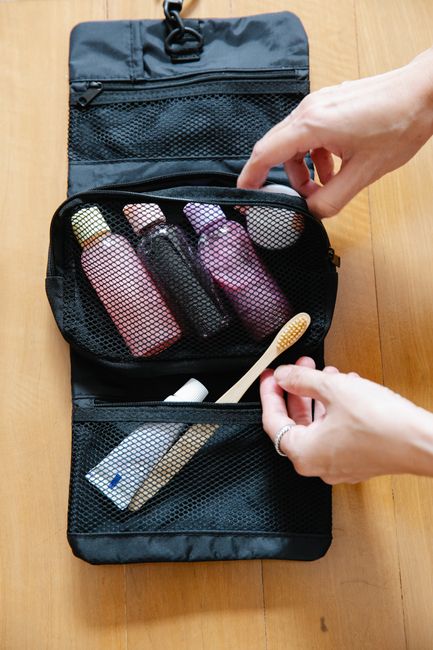
A more practical approach is a compact, replenishable set built around ordinary disruptions. Choose multipurpose, leak-resistant formats and keep them together in a small pouch, so essentials do not migrate to the bottom of a bag. The aim is not immaculate preparedness. It is having a few familiar tools available when clean water, soap, privacy, or time are limited. Once the pouch is established, replacing what gets used becomes easier than rebuilding a kit after each outing.
- Small refillable containers reduce bulk and make depleted items easier to notice.
- Individually wrapped items stay cleaner in loose bags and are simpler to share when appropriate.
What Earns a Place in a Daily Hygiene Pouch
- Solve a recurring, unplanned problemCore items cover small disruptions that arise often and are awkward without supplies: hand cleaning when no sink is nearby, a sneeze, a spill, or a quick freshen-up. Frequency matters more than whether an item seems useful in theory.CarryA problem likely to occur several times a week.Leave outSingle-purpose items for unlikely scenarios.
- Account for access outside the homeAn item becomes more valuable when a public restroom, workplace, commute, or errand route may not provide a clean or reliable substitute. Tissues, a small hand sanitizer, and a menstrual product are broadly useful examples when relevant to the person carrying them.CarrySupplies that bridge common gaps in public facilities.Leave outDuplicates of amenities consistently available nearby.
- Build optional modules around the dayContact-lens supplies, dental items, deodorant, medication-related accessories, or travel-size skin products may suit particular routines, but they need not be universal. Long shifts, exercise, caregiving, and time away from home change the calculation.CarryA compact add-on tied to a known routine or absence length.Leave outA full routine carried for a short, predictable outing.
- Protect clean items from dirty surroundingsSupplies work only if they remain usable. A wipeable pouch, closed containers, and individually wrapped or capped items help separate hygiene products from crumbs, leaking pens, and loose coins; damp or expired contents merit replacement.CarrySealed, durable formats that can be checked and replenished.Leave outLoose, unwrapped, leaking, or visibly soiled supplies.
A clean-hands backup that stays contained
Handwashing with soap and running water remains the preferred option when a sink is available, especially after hands are dirty. Additionally, daily hygiene items fill the gap between the last sink and the next one. It is not a reason to carry several overlapping formats. When a restroom has no supplies, the practical next steps after finding no soap can help frame the backup’s role.
Pick the format for the bag
- Gel is usually the simplest one-item option: it dispenses precisely, stays in a sealed bottle, and needs a brief air-dry period. Look for a secure cap or locking pump; leaks often start with cap and pressure problems, not just a bad bottle.
- Spray feels lighter and can dry quickly, but overspray and a loose actuator make it less tidy in a crowded bag. A cap or actuator lock matters.
- Wipes are useful when residue or grime needs lifting from hands or a small nonporous surface. They create used-wipe waste and the packet can dry out after opening; how wipes compare with liquid sanitizer clarifies the trade-off.
Choose a small, intact container that can be finished and replaced rather than decanted repeatedly. Keep it upright in a separate pocket when possible, and inspect seams, caps, and labels after heat or travel. Products can lose reliability past their marked date, so what expiration dates mean for a partly used bottle is worth checking during routine pouch resets. For a pocket format, bottle designs made to resist opening in transit can reduce mess.
Match the format to the likely gap: gel for controlled hand use, spray for fast light coverage, or wipes for cleanup. Replace anything dried out, damaged, or past its labeled date.
Tissues and wipes: similar shape, different jobs
Pocket tissues are among the highest-value pouch items because they solve frequent, low-drama problems: a runny nose, a small spill, a restroom without paper, or a surface that needs blotting. They are light, dry, and useful without adding moisture, fragrance, or cleaning chemicals where they are not wanted.
Dry tissues, personal cleansing wipes, and disinfecting wipes are not substitutes.
Additionally, dry tissues absorb and wipe gently, but do not clean hands or disinfect a surface.
Personal cleansing wipes are made for skin and are useful when water is unavailable.
For daily hygiene items, their lotion, fragrance, or surfactants can leave residue on objects.
Disinfecting wipes are formulated for hard, nonporous surfaces.
They may need a stated contact time to work as intended.
They are generally a poor choice for faces, hands, or delicate materials.
Rather than carrying several vague “just in case” packets, a pouch can hold tissues plus one wipe type matched to the person’s usual gap:
- personal cleansing wipes for post-commute or outdoor cleanup;
- disinfecting wipes for shared desks, handles, or equipment;
- no wet wipe at all when dry cleanup is the only recurring need.
Sealed single-use packets reduce drying out and make replacement easier.
Oral care without a wet-bag problem
A daily bag does not need a full bathroom routine. A dry, sealed oral-care module can include a small floss dispenser or individually wrapped floss picks, sugar-free gum or mints, and a few breath strips. These items take little space and do not leave moisture or toothpaste residue behind.
Cleaning and freshening are different jobs
Brushing with toothpaste physically removes food debris and disrupts plaque; floss reaches between teeth where a brush cannot. Gum, mints, strips, and mouth-rinse tablets may temporarily improve odor or stimulate saliva, but they do not replace that cleaning step. After coffee or a strongly flavored meal, the freshener format that suits the occasion matters more than carrying several overlapping options.
A toothbrush belongs in the pouch only when it can be used, rinsed, and dried before storage. A brush sealed while wet creates a humid compartment that can collect residue and odors; keeping a toothbrush clean between uses requires more than simply adding a cap. If drying is not realistic during the day, leave the brush at home and rely on the dry refresh kit.
For those who do carry one, choose a ventilated case that protects bristles from bag debris without trapping water. Comparing compact brush cases can help distinguish vented designs from fully enclosed travel tubes. Keep toothpaste in a separate, tightly closed mini tube, and replace disposable items as they are used.
Odor control and small grooming tools
A daily pouch rarely needs a full grooming kit. Deodorant and one small tool earn space only when a predictable commute, warm workplace, exercise session, or appearance-related snag makes them genuinely useful.
Match deodorant to the bag
Stick deodorant is usually the most bag-friendly: it is compact, less prone to leakage, and can be used without wet hands. Creams and gels may feel lighter on skin but can soften or escape around a lid in high heat. Aerosols refresh quickly but take more room, may have venue restrictions, and can perfume the entire pouch. Fragrance-free options keep scent from competing with other products; fragranced versions may be preferable when a brief scent reset matters.
If deodorant fades before the day is over, the cause may be application timing, heat, clothing friction, or product type—not simply too little product. A travel-size format allows testing without committing much bag space.
Protect metal tools
A nail clipper, file, or tweezers can handle a recurring hangnail or loose thread, but loose metal tools collect lint and scratch other items. Store one in a rigid sleeve or zip case, dry it fully after cleaning, and check the hinge, cutting edges, and surface periodically. Pitting, discoloration, or rough movement merits attention; this guide explains how to deal with rust on nail clippers.
A discreet plan for period needs
An optional period-preparedness pouch can make an everyday kit more adaptable without making a normal bodily function feel exceptional. Its contents can reflect personal preference, expected time away from home, and the availability of nearby shops or facilities. For a simple starting point, a few essentials for an unexpected period might include chosen products, spare underwear if useful, and an opaque disposal bag.
Keep this pouch separate from food, oral-care items, and clean tissues. A zip pouch with a plain exterior limits rummaging and makes replenishment straightforward; a small note or a regular bag check can prevent expired adhesives, crushed wrappers, or depleted supplies.
Reusable products benefit from their own cleanup layer. A menstrual cup, reusable pad, or period underwear may involve a wet item, a storage container, or a temporary carry bag, so these items are better isolated from the main hygiene kit. For example, discreet public cleanup for a menstrual cup involves different supplies and facility considerations than carrying it clean. A washable waterproof pouch or sealed bag can contain moisture until appropriate laundering or cleaning is available.
Keep the pouch dependable
A daily hygiene pouch is only useful when its contents remain clean, sealed, and present. Give liquids their own waterproof sleeve or zip compartment; caps can loosen under pressure, and temperature changes may force product through a weak closure. Choosing small bottles designed to resist leaks reduces the chance that one spill ruins every item.
Keep damp items out of the main pouch. A used wipe, wet toothbrush, or condensation-covered container needs a temporary wipeable pocket or separate bag, then removal as soon as practical. Dry tissues also need protection: a holder that keeps a tissue pack clean and dry prevents frayed, unusable sheets.
A low-effort reset
Use one predictable moment each week—such as after unpacking a bag—to check the kit:
- Discard used tissues, spent wipes, and damp single-use items.
- Refill any supply nearing its last few uses rather than waiting for empty packaging.
- Wipe interior surfaces and inspect lids, seams, and hinges for cracks or residue.
- Move products affected by heat or leakage into a separate sealed pouch.
A more thorough monthly empty-and-clean check catches slow leaks, crushed packaging, and forgotten expiry markings.
Keep replacement tissues, wipes, and small containers in one home location. When the pouch is reset, refilling becomes a quick transfer rather than a shopping task.
Make the pouch earn its space
-
Choose one ordinary day
Test the kit on a commute, class day, shift, or long outing—not an imagined emergency.
-
Mark the friction points
Note when hands feel sticky, a meal leaves debris, breath needs refreshing, or a spill occurs. Those moments reveal useful supplies.
-
Check the bag after travel
A pouch that leaks, rattles, snags, or requires digging is not ready. Reposition, downsize, or protect troublesome items.
-
Record what was actually used
An item used repeatedly may justify a spare; an untouched item can move to a larger backup kit.
-
Edit after a few cycles
Consistent carry matters more than a comprehensive inventory. Keep the kit small enough to remain in the bag.
Daily Hygiene Pouch: Common Questions
Gel, spray, or wipes—which hand-cleaning backup should go in the bag?
Gel is usually the simplest one-item option since it dispenses precisely and stays sealed, though it needs a brief air-dry period. Spray feels lighter and dries fast but can be messier without a locking actuator. Wipes are best when residue or grime needs lifting from hands or a small surface. One format matched to the likely gap is usually enough.
What's the difference between dry tissues, cleansing wipes, and disinfecting wipes?
Dry tissues absorb and wipe gently but don’t clean hands or disinfect anything. Personal cleansing wipes are made for skin and work when water isn’t available, though their lotion or fragrance can leave residue on objects. Disinfecting wipes are formulated for hard, nonporous surfaces and often need a stated contact time—they’re a poor choice for faces, hands, or delicate materials.
Should a toothbrush be carried in a daily hygiene kit?
Only when it can be used, rinsed, and dried before storage. A brush sealed while still wet creates a humid compartment that collects residue and odor. If drying isn’t realistic during the day, it’s better to leave the brush at home and rely on a dry refresh kit of floss picks, sugar-free gum or mints, and breath strips instead.
What goes in an optional period-preparedness pouch?
Contents depend on personal preference, time away from home, and nearby facilities, but a simple starting point includes chosen products, spare underwear if useful, and an opaque disposal bag. This pouch should stay separate from food, oral-care items, and clean tissues, and reusable products like a menstrual cup benefit from their own sealed storage layer.
How often should a daily hygiene pouch be checked and refilled?
A quick weekly check—such as after unpacking a bag—works well: discard used tissues and spent wipes, refill anything nearing its last few uses, wipe interior surfaces, and inspect lids and seams. A more thorough monthly empty-and-clean check catches slow leaks, crushed packaging, and forgotten expiry dates.
A dependable kit stays personal
- Use patterns—not anxiety—to decide what remains.
- Separate daily essentials from occasional contingencies.
A daily hygiene pouch works when it fits real routines, survives transport cleanly, and is refreshed before supplies run out. The most useful kit is the one that is carried consistently and adjusted when daily life changes.


7 Comments
I’m mildly skeptical about carrying grooming tools every day. Nail clippers have lived at home for decades and I’ve survived! Is there a real reason to include them, other than the random hangnail emergency?
The weekly reset sounds great in theory, but I know I’ll forget it by week two 😅 Would tying it to laundry day be enough, or do you mean checking it every single week no matter what?
I appreciate that you didn’t present wipes as a substitute for washing hands. So many “everyday carry” lists make it sound like buying more tiny products is automatically preparedness.
My biggest issue is deodorant melting in a warm car or leaving residue on everything. Has anyone found that a solid mini works better than a spray for a bag that gets warm?
I like the idea of choosing just one hand-cleaning backup. If I already use soap whenever there’s a restroom, is a small sanitizer still the better pouch item, or are hand wipes enough? I always end up carrying both and then neither gets replaced.
If soap and water are usually available on your day, a small sanitizer is often the simpler backup for the moments they are not. Hand wipes can be useful when you need to physically remove grime, but they are bulkier and create more damp waste. Pick the option that solves your most common gap, then add its replacement date to your weekly reset.
I switched to sanitizer only after my wipes dried out in the car twice. Much less pouch clutter.
The separate dry case for a toothbrush is the part I needed to hear. I used to toss one in a zip bag after lunch and, surprise, it got gross. A ventilated holder that can dry before it goes back in the pouch seems obvious now 🙃